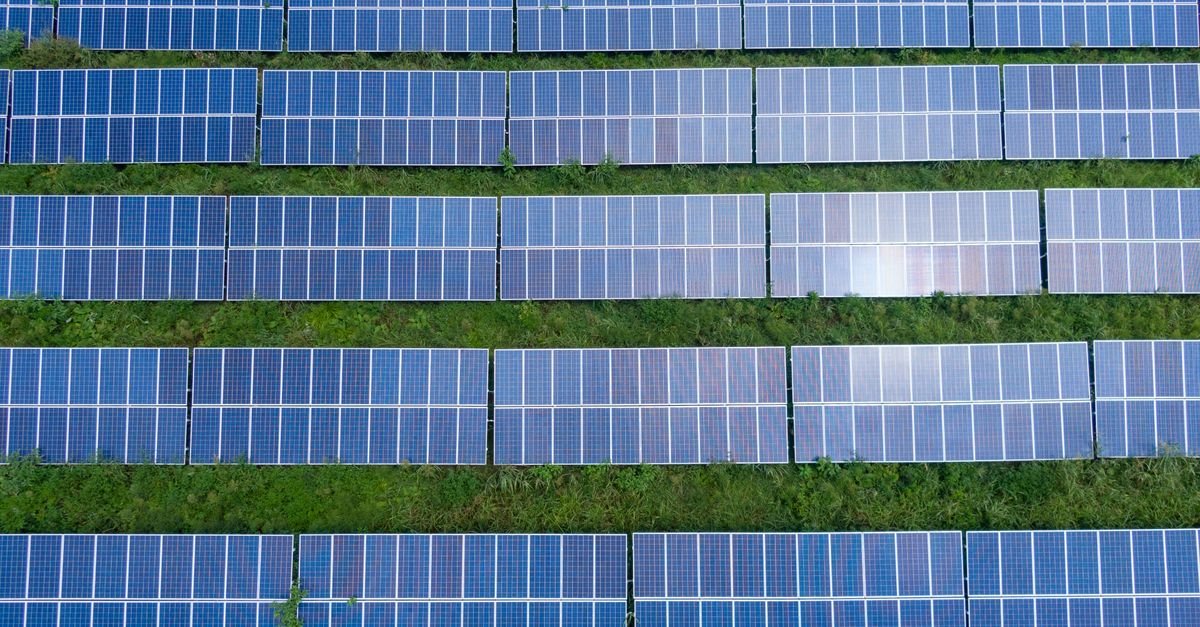
Rooftop solar microgrids emerge as viable decentralized solution for Bangladesh
⚡ AI Executive Summary
A comprehensive feasibility study examines the technical, economic, and policy dimensions of deploying rooftop solar photovoltaic systems and microgrids across Bangladesh. The analysis concludes that strong solar irradiation, falling technology costs, and favorable climatic conditions make distributed rooftop generation a scalable alternative to centralized fossil-fuel infrastructure in urban and industrial settings. For grid planners and utilities, this research underscores the growing role of decentralized renewable capacity in meeting surging electricity demand without expanding dependence on imported fuels. The findings highlight how hybrid operational and build-own-operate financing models can bridge the investment gap that traditionally hinders rooftop solar deployment in developing economies. Policy instruments—particularly net metering and fiscal incentives—emerge as essential mechanisms to unlock private investment and accelerate adoption at scale, reshaping Bangladesh's pathway toward energy independence and emissions reduction.
This is a brief summary of reporting originally published by Energy Conversion and Management: X. Read the full article for the complete story:
Read the full story at Energy Conversion and Management: X ↗Related in Solar & Wind