Researchers at Sandia National Laboratories have engineered an innovative magnetic field sensor using rare earth crystals and laser optics to operate in environments too harsh for conventional instrumentation. The sensor addresses a fundamental challenge in fusion research and advanced physics: accurately measuring intense, rapidly-changing magnetic fields in the presence of extreme radiation and electromagnetic interference.
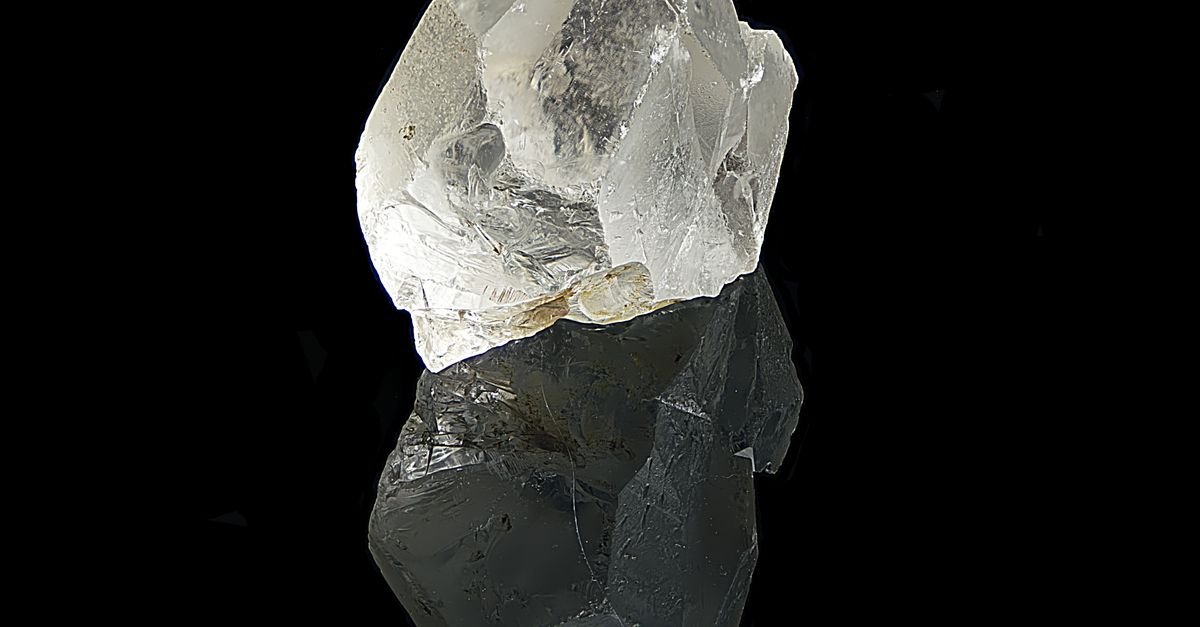
The sensor operates using a deceptively elegant principle. Laser light passes through a tiny rare earth crystal—typically composed of materials like terbium scandium aluminum garnet or terbium gallium garnet—approximately the size of a pencil eraser. When exposed to a parallel magnetic field, the crystal causes the laser light to rotate. By precisely measuring this optical rotation, the system determines the magnetic field's strength. The complete apparatus combines the garnet crystal with a compact laser, optical filters, and a light detector.
Lead physicist Israel Owens and his team developed the technology specifically for challenging environments like Sandia's Z Machine, the world's most powerful laboratory radiation source. Testing on radiation facilities including SPHINX demonstrated that the garnet sensors match conventional sensor accuracy while proving significantly more robust against electromagnetic noise and radiation damage. The rare earth crystal sensors also require less frequent calibration than traditional metallic sensors such as B-dots, potentially reducing operational costs.
Fusion energy applications present particular promise. Magnetic confinement—the process of using powerful magnetic fields to contain and control plasma—is essential to most fusion reactor designs. Conventional metallic sensors would short out in fusion plasma, while fiber optic alternatives darken under intense radiation and require excessive length, introducing noise and breakage risks. The crystal-based sensor theoretically functions reliably in these extreme conditions.
Current development focuses on advancing from low-density plasma testing toward high-density plasma comparable to fusion power generation requirements. A patent was granted in December, and at least one company has secured a non-exclusive licensing option. The technology has also earned nomination for the R&D100 Awards. Sandia's Laboratory Directed Research and Development program continues supporting expansion into additional applications beyond fusion diagnostics.