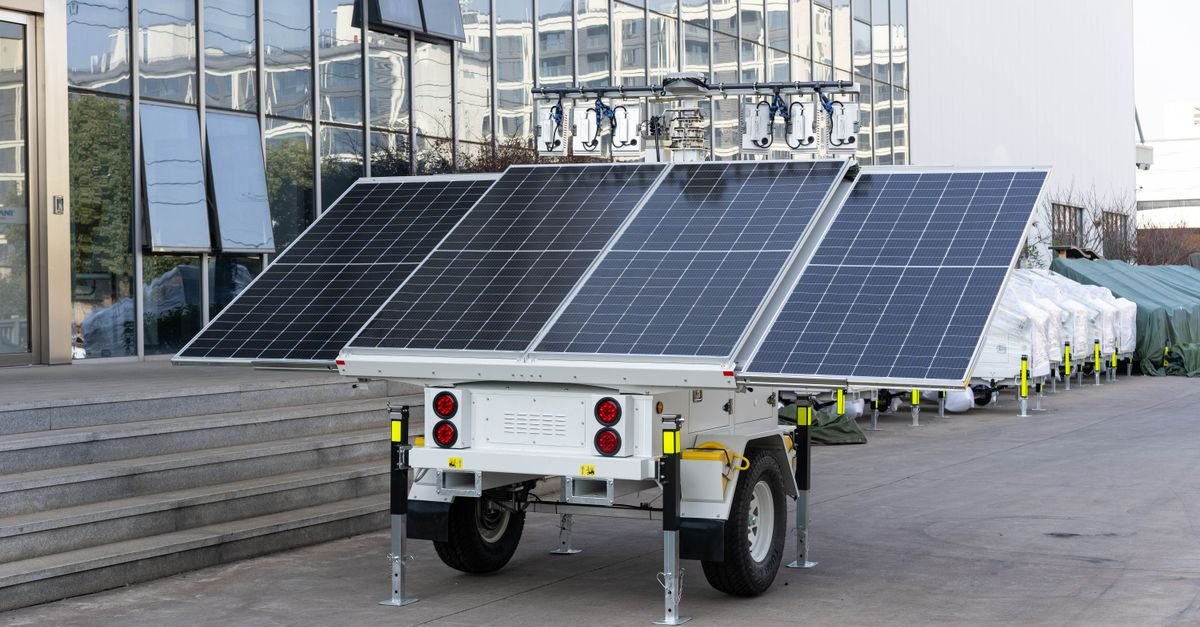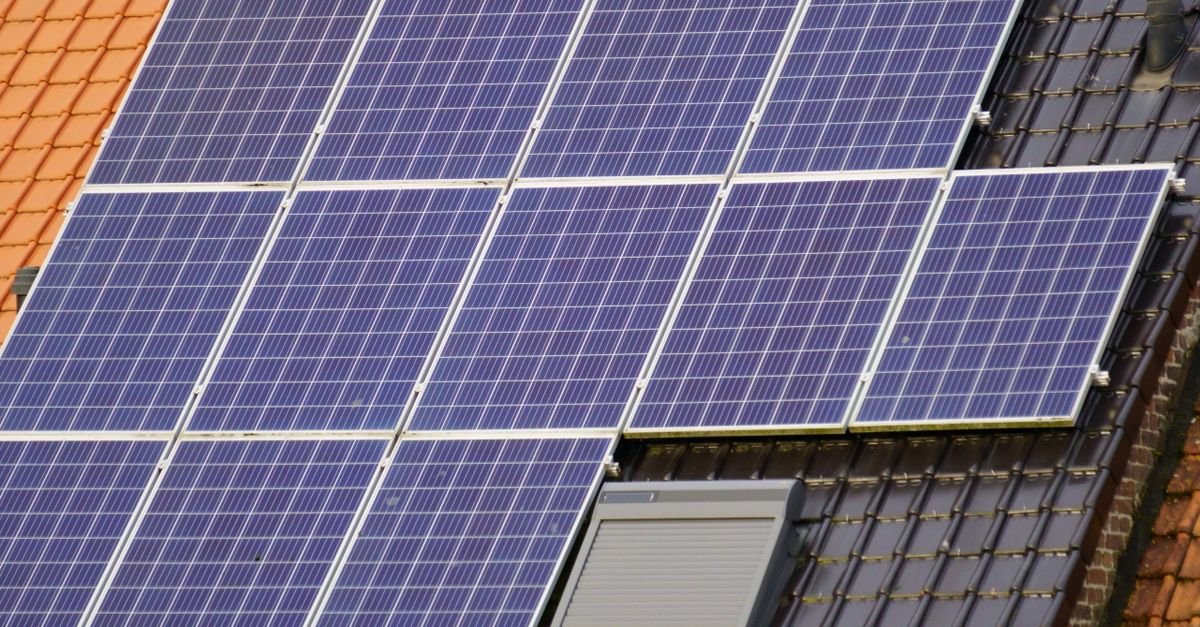
Selenium photovoltaics, an early competitor to silicon before falling out of favor, are experiencing renewed scientific and industrial interest. A comprehensive review published in PRX Energy examines the technology's historical arc and contemporary progress, identifying pathways to improve efficiency and commercial viability.
Selenium cells operate on similar photovoltaic principles to silicon but offer distinct material properties. The element exhibits favorable bandgap characteristics and can be processed using relatively straightforward manufacturing techniques. Historical studies demonstrated proof-of-concept efficiency levels, but commercial development stalled as silicon technology matured and costs declined dramatically over recent decades.
The modern revival stems from several industry drivers. Silicon supply chain vulnerabilities, rising polysilicon prices, and manufacturing concentration in specific regions have prompted researchers to explore alternative semiconductor chemistries. Selenium presents a geographically distributed resource with established extraction infrastructure, reducing dependence on single suppliers.
Current research focuses on three primary efficiency limitations: defect-induced recombination losses, incomplete light absorption, and contact resistance at interfaces. Recent advances in carrier management through dopant engineering and surface passivation techniques have yielded measurable gains. Laboratory results now approach competitive thresholds relative to emerging thin-film alternatives.
Scalability remains the critical unknown. While laboratory prototypes demonstrate promise, moving selenium cells into pilot manufacturing requires significant capital investment and process development. Equipment suppliers and materials producers must establish reliable supply chains for semiconductor-grade selenium, a commodity historically used primarily in electronic switches and photocopiers.
The technology's success likely depends on targeted market positioning rather than direct silicon competition. Selenium cells could serve niche applications requiring specific wavelength sensitivity or manufacturing in regions with proximity to selenium resources. A diversified solar manufacturing base, incorporating multiple chemistries, would improve supply resilience and reduce geopolitical concentration risk across the global energy transition.