Naval vessels and specialized shipboard systems increasingly rely on pulsed power loads—equipment demanding sudden, extreme bursts of electrical power followed by rapid fluctuations. Traditional power supply architectures struggle to respond quickly enough, resulting in dangerous voltage sags that can damage sensitive equipment or compromise system reliability. This research proposes a solution through an improved active capacitor converter topology integrated with dynamic inductor reconfiguration.
The core innovation combines a three-phase interleaved converter structure with a novel control strategy that actively reconfigures inductors during transient events. When a pulsed load suddenly demands power, the system intelligently adjusts inductor configurations to maximize the supply's ability to source current without overshooting or undershooting voltage targets. This approach significantly reduces output voltage fluctuations compared to conventional designs.
The fast inductor current control strategy operates by continuously monitoring load demand and preemptively adjusting converter parameters. Rather than reacting passively after voltage deviations occur, the controller anticipates rapid load changes and reconfigures the inductor circuit accordingly. This proactive stance dramatically improves dynamic response time.
The three-phase interleaved architecture distributes power across multiple conversion stages, reducing component stress and heat dissipation while improving overall efficiency. The research includes detailed architectural analysis, operating principles, and parameter design methodologies essential for practical implementation.
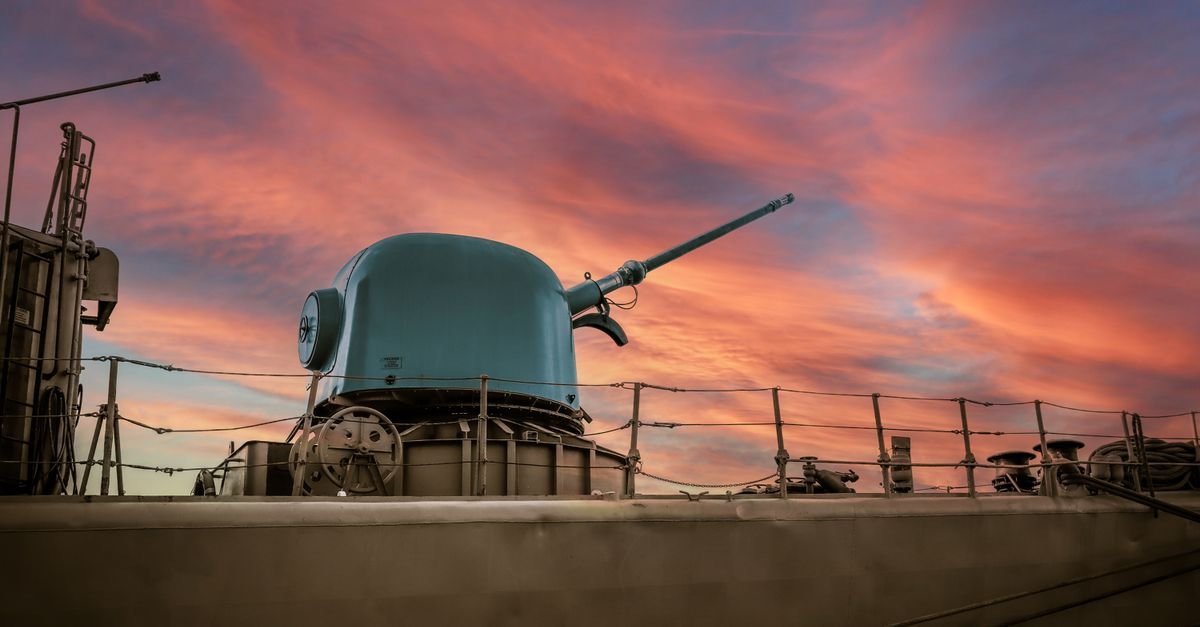
Simulation results demonstrate that the proposed system successfully maintains voltage stability under extreme pulsed power scenarios that would destabilize conventional converters. The work addresses a genuine operational constraint in modern naval platforms, where electromagnetic launch systems, directed-energy weapons, and advanced radar systems create unprecedented power supply challenges. As military and commercial vessels increasingly adopt high-power pulsed systems, this topology offers a path toward more resilient and responsive shipboard electrical infrastructure.