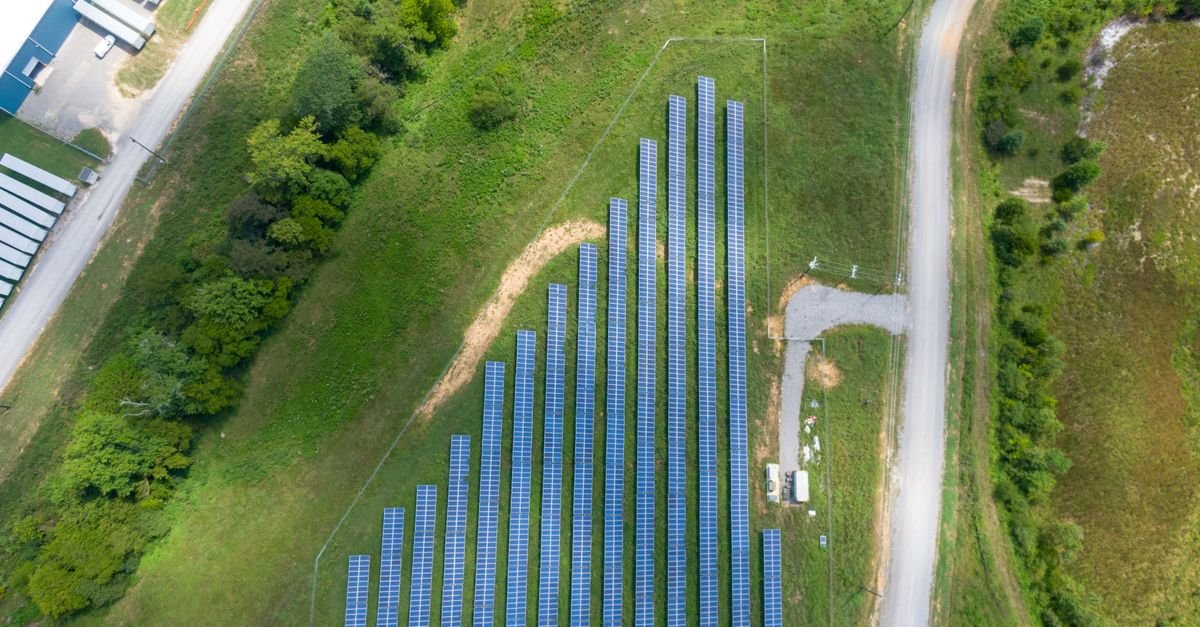
According to the U.S. Energy Information Administration's (EIA) latest Short-Term Energy Outlook (STEO), utility-scale solar power generation within the Electric Reliability Council of Texas (ERCOT) is projected to surpass coal-fired generation on an annual basis for the first time in 2026—a landmark shift in one of the most closely watched electricity markets in the United States.
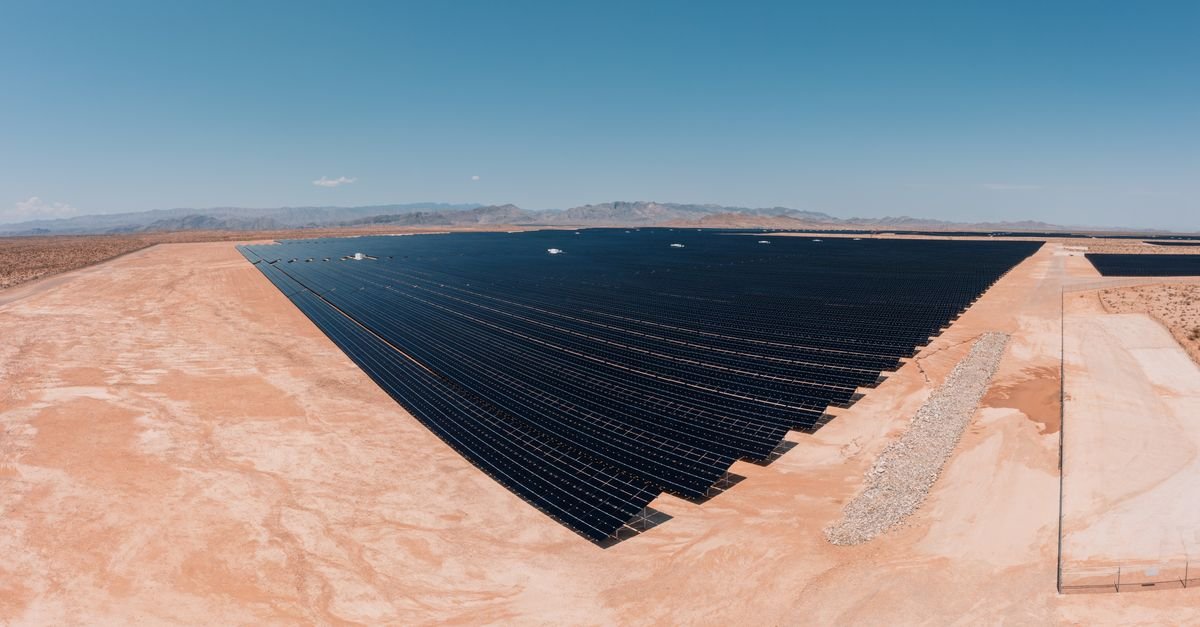
The EIA projects that solar resources operating within the ERCOT footprint will produce approximately 78 billion kilowatthours (BkWh) during 2026, while coal-fired plants are expected to generate roughly 60 BkWh over the same period. This 18 BkWh gap would represent a decisive crossover point after years of rapid solar capacity additions across the Texas grid.
ERCOT manages electricity delivery for approximately 90 percent of Texas's load and has experienced some of the fastest utility-scale solar growth in the country in recent years, driven by abundant solar resources, favorable land availability, and strong interconnection queue activity. The region's competitive wholesale market structure has further incentivized investment in low-marginal-cost renewable generation.
For power system planners and grid operators, the projected crossover raises important operational considerations. Unlike coal, which provides dispatchable baseload capacity, solar generation is inherently variable and concentrated during daylight hours. As solar's share of annual energy grows, ERCOT will face increasing pressure to secure sufficient flexible capacity resources—including battery storage, demand response, and fast-ramping natural gas units—to manage morning ramp events and evening peak periods when solar output declines.
The forecast also reflects ongoing economic headwinds for coal operators, including aging infrastructure, rising operating costs, and competition from low-cost renewables and natural gas. Additional coal retirements within ERCOT are anticipated in the coming years, which may further accelerate the renewable transition well beyond 2026.