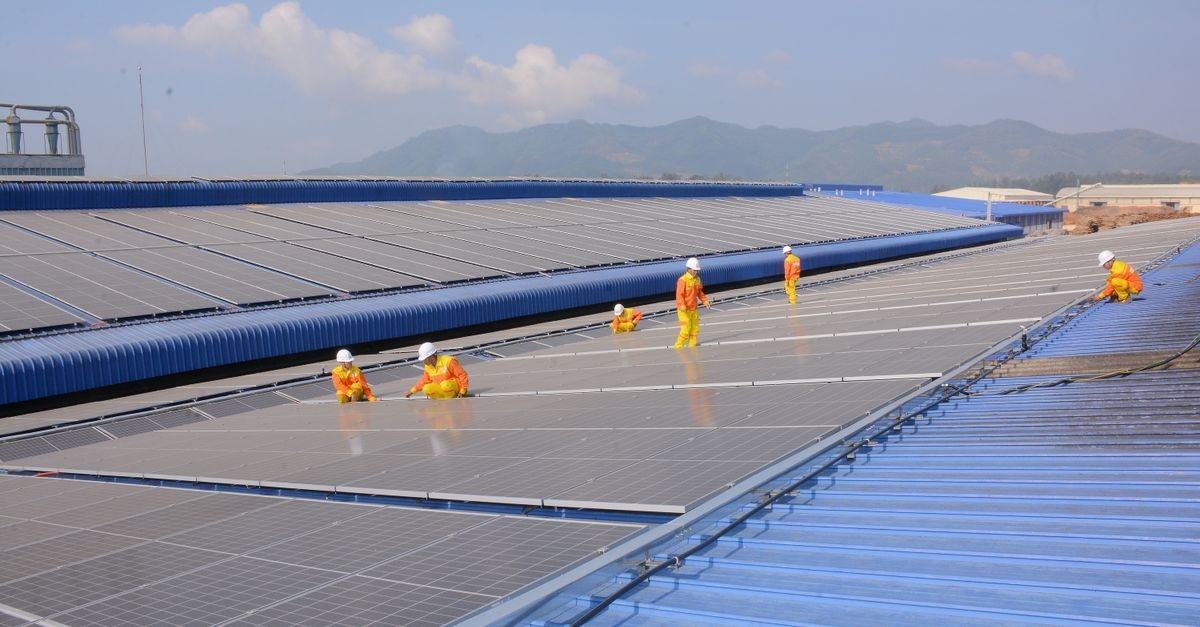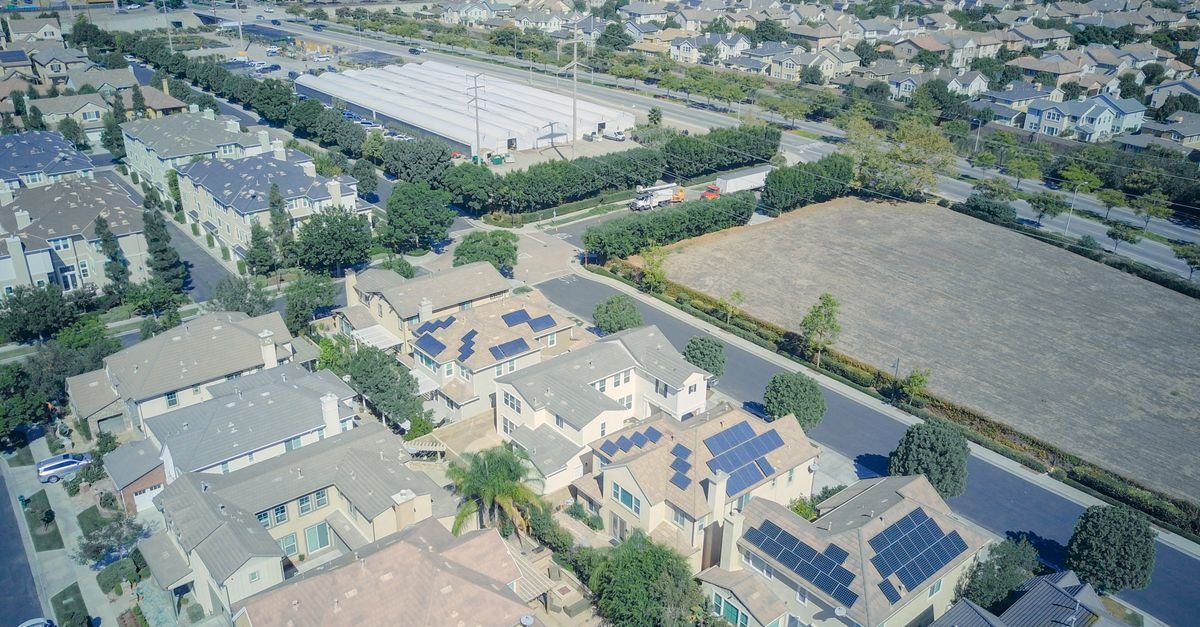
Distributed solar generation is emerging as a solution to voltage stability and power loss challenges in Nigerian distribution networks, where conventional infrastructure struggles to meet growing demand. Researchers evaluated a 2.5 MW grid-connected solar photovoltaic system at the Nigerian Defence Academy in Kaduna to quantify its technical impact on the 33/11 kV feeder network.
Using MATLAB-based Power System Analysis Toolbox (PSAT), engineers conducted comprehensive static and dynamic simulations to assess network performance before and after PV integration. Results demonstrated marked improvements across multiple metrics. Voltage profiles across all network buses improved from substandard levels below 0.95 per unit to within the acceptable operating range of 0.95–1.05 per unit. Active power losses decreased by 34–39%, while reactive power losses fell by 52–57%, reflecting the benefit of local generation near load centers.
Dynamic stability analysis revealed faster voltage recovery and improved current stability following network disturbances. The PV system effectively supported the feeder during transient events, reducing settling times and enhancing overall network resilience.
Sensitivity analysis identified important thresholds for PV penetration. While 2.5 MW delivered optimal performance, doubling capacity to 5 MW caused voltage to exceed the 1.05 per unit upper limit, suggesting overvoltage concerns at higher penetration levels. This finding has practical implications for future DG expansion planning in similar networks.
The study highlights distributed solar's potential to address chronic challenges in Nigerian distribution systems—inadequate voltage support, excessive losses, and insufficient capacity. However, results also underscore the importance of careful planning regarding capacity sizing. As utilities consider renewable integration, technical assessment tools and penetration studies become essential for maximizing benefits while maintaining operational standards. The research provides a methodology applicable to distribution network planning across Sub-Saharan Africa.