Solar updraft towers represent a promising alternative to conventional photovoltaic and concentrated solar power systems, particularly for distributed generation in remote locations. A comprehensive research initiative spanning twelve years has systematically advanced the technology through prototype development, simulation validation, and component optimization.
The program's first phase focused on building and validating a prototype solar updraft tower while confirming the accuracy of computational simulation models. This foundational work enabled researchers to establish geometric relationships that guide future design iterations, providing a framework for scaling the technology.
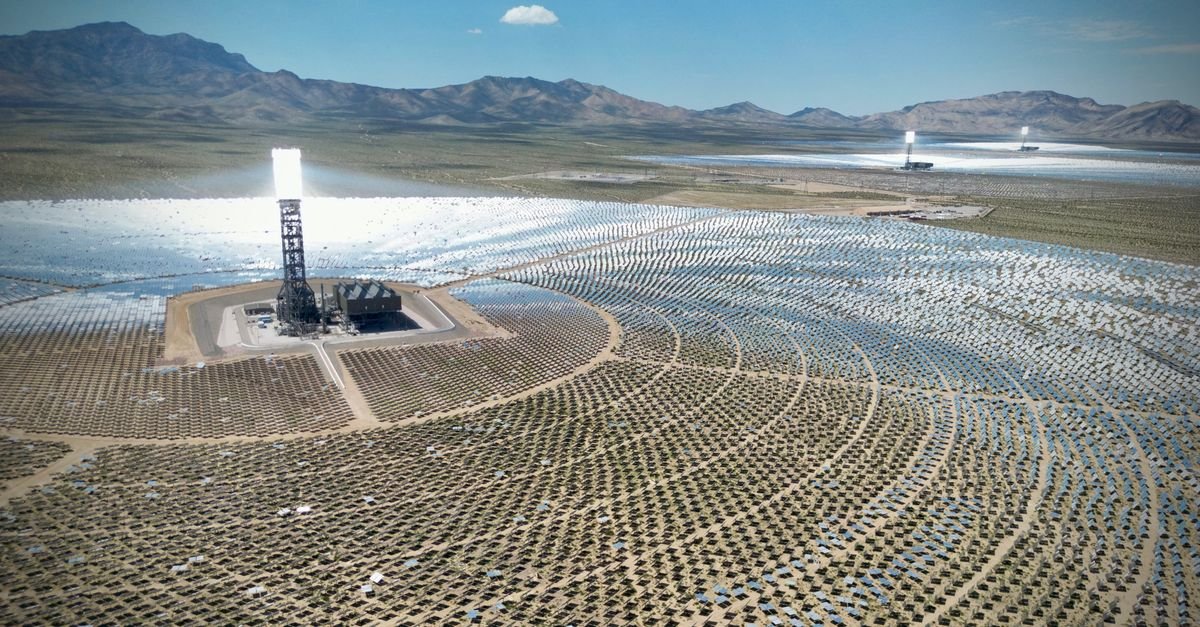
A critical innovation emerged in the second phase: thermal concentration technology. By deploying a tracking mirror system to redirect solar radiation onto the tower base, researchers compensated for reduced collector areas without sacrificing thermal performance. This approach significantly improves the power density of the system and reduces land-use requirements—a key advantage for deployment in space-constrained environments.
The third phase addressed site-specific adaptation, developing simulation capabilities to predict tower performance on alpine and sloped terrain. This work is particularly relevant for European and mountainous regions where conventional solar farms face installation challenges. The ability to adapt updraft tower geometry to local topography expands potential deployment sites.
In the final stage, researchers optimized turbine blade profiles using aerodynamic analysis. While full system integration of these improvements remained incomplete due to computational convergence constraints, a validated reverse-fan model was adopted to predict operational performance and establish turbine operating domains.
These cumulative advances provide power engineers with validated design methodologies and performance prediction tools. The research establishes solar updraft towers as a viable complementary technology for renewable energy portfolios, particularly in regions unsuitable for conventional solar installations. Future work should focus on scaling validated designs and integrating advanced blade profiles into comprehensive system models to unlock the full efficiency potential of this emerging technology.