Spain Delays Nuclear Shutdown to Stabilize Grid Amid Renewable Surge
⚡ AI Executive Summary
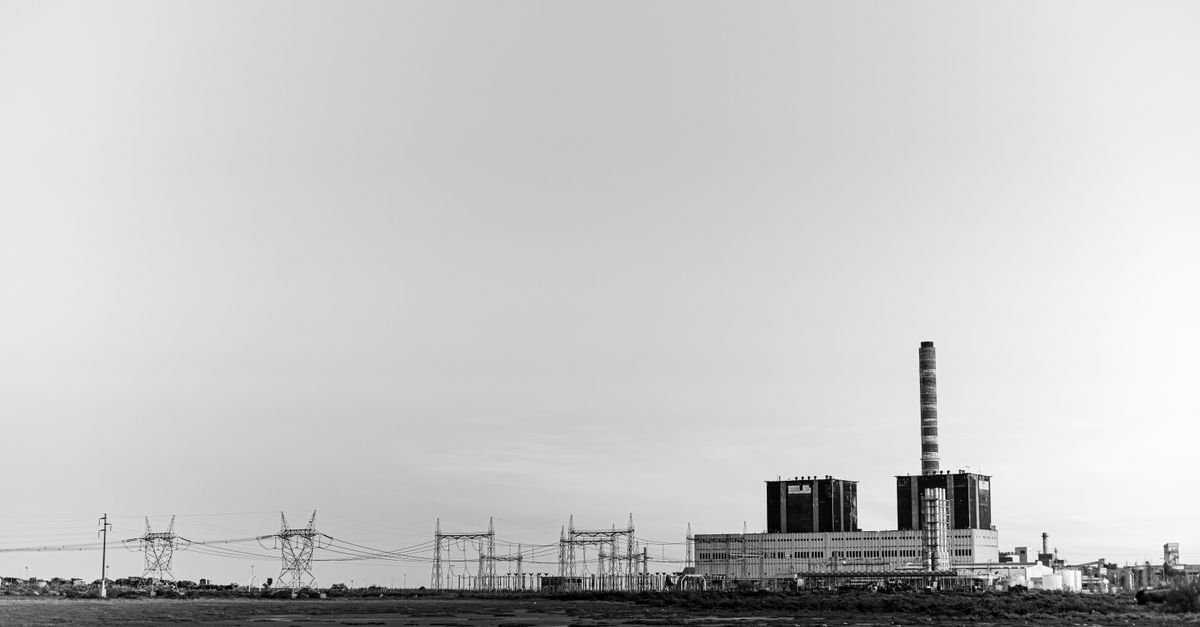
Spain's government has extended the operating life of two nuclear plants at Almaraz by three years, postponing their planned 2027 closure to 2030. The decision reverses the coalition government's long-standing commitment to phase out nuclear power, citing Middle East tensions as justification, though energy analysts point to underlying grid stability concerns triggered by rapid solar expansion and a major April 2025 blackout affecting tens of millions of people across the Iberian Peninsula. The extension reflects a broader European reassessment of nuclear power following Russia's invasion of Ukraine and the subsequent energy crisis. For Spain's grid operators, nuclear plants provide stable baseload generation and reactive power support that renewables—now accounting for 40 percent of electricity supply—cannot reliably deliver. While the government simultaneously invests in battery storage, transmission upgrades, and new interconnections to France, analysts view the nuclear delay as a pragmatic bridge strategy. It preserves affordable, dispatchable capacity while grid infrastructure catches up to the torrent of solar installations that have outpaced the system's ability to absorb and distribute variable generation safely.
This is a brief summary of reporting originally published by IEEE Spectrum - Energy. Read the full article for the complete story:
Read the full story at IEEE Spectrum - Energy ↗