As renewable energy sources proliferate in modern power grids, the electronics that interface them with the transmission system increasingly cause resonance problems—unwanted oscillations that can compromise stability and equipment integrity. A new control strategy demonstrates how energy storage converters, already present at most renewable facilities, can be reprogrammed to actively suppress these resonances.
The innovation centers on modifying how grid-forming converters manage their output impedance—the electrical resistance they present to the grid. By introducing an impedance matching control loop, researchers enhanced the natural damping capacity of energy storage systems, allowing them to absorb oscillatory energy rather than amplify it.
The method identifies the dominant frequency bands where resonance problems occur, then systematically adjusts converter behavior to counteract those oscillations. This approach operates in the αβ reference frame, a standard coordinate system for power electronics control, making it compatible with existing equipment and control architectures.
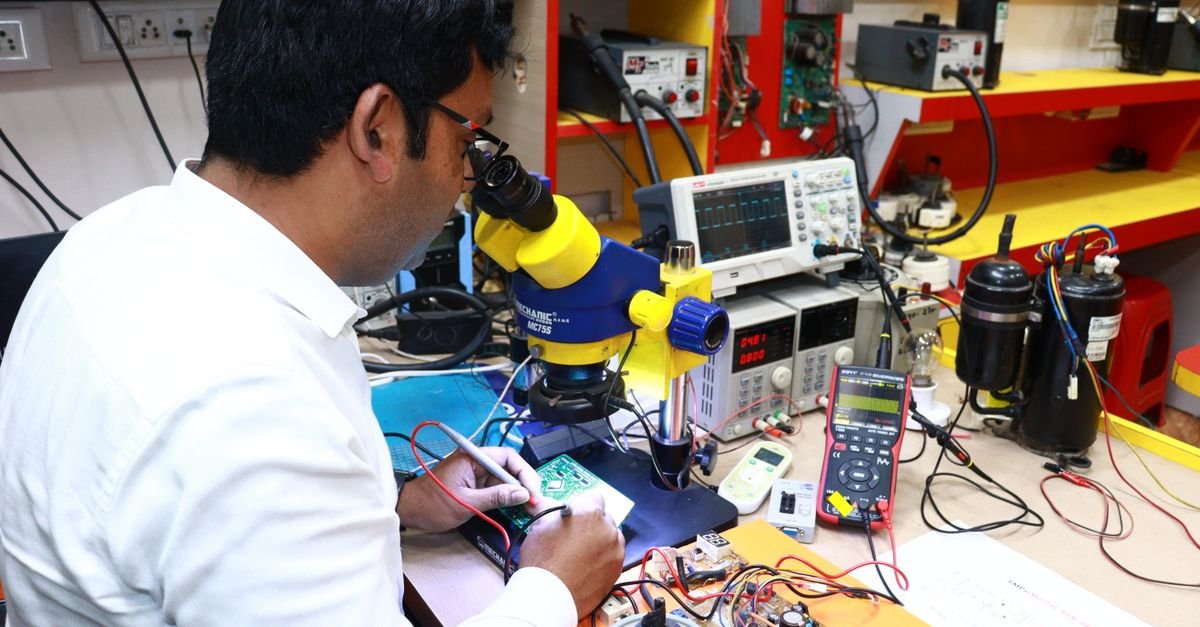
Validation came from a 15-kilowatt test installation combining a 3-kVA energy storage converter with a 15-kVA grid-connected converter. Results confirm that the control strategy significantly improves small-signal stability—the ability of the system to recover from minor disturbances without cascading failures.
The practical appeal is substantial. Rather than installing expensive passive filters or hardware dampers, grid operators can deploy this software-based solution on converters already deployed for renewable integration and energy storage management. This dual-purpose approach maximizes return on infrastructure investment.
As renewable penetration accelerates globally, converter-based resources will dominate generation portfolios. Control strategies that prevent resonance while maintaining converter functionality become essential. This work provides both theoretical foundation and practical validation for addressing what utilities increasingly recognize as a critical stability challenge in the renewable transition.