Sydney apartments face dangerous overheating as climate warms by 2050
⚡ AI Executive Summary
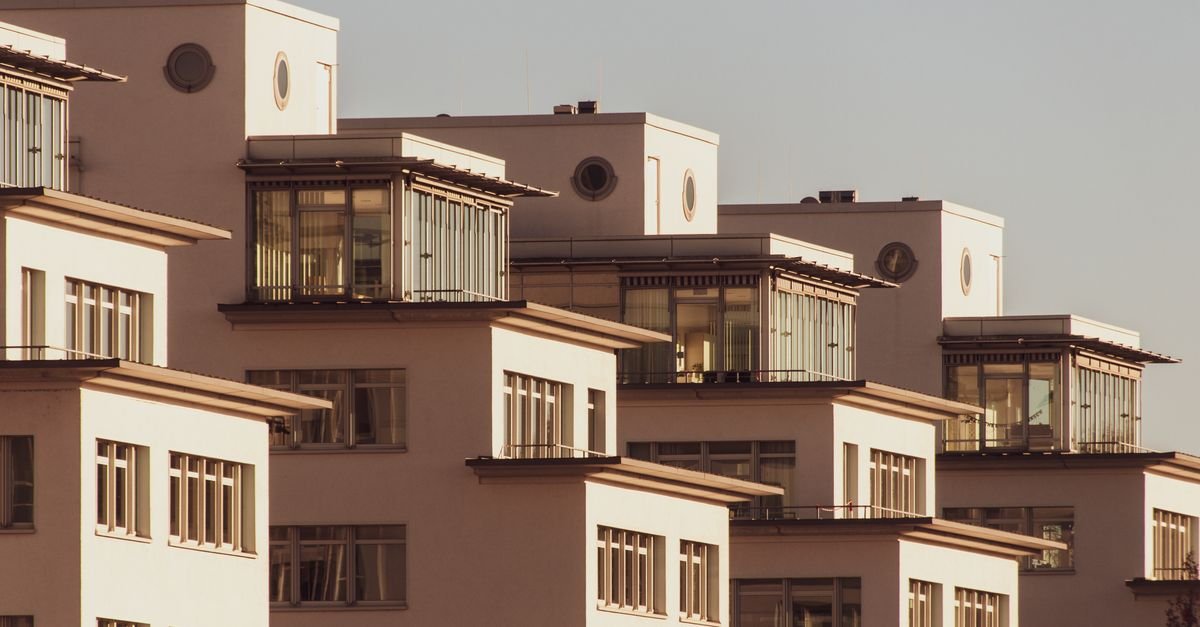
Research on Sydney's apartment stock reveals that buildings constructed to current standards will experience prolonged interior temperatures exceeding safe comfort levels for weeks annually by 2050, with western suburbs facing nearly twice the heat stress of inner-city areas. The challenge is particularly acute for renters, elderly residents, and low-income households who cannot afford or install air conditioning, while mass cooling deployment would strain an already vulnerable electricity grid during peak demand. Updated building codes must mandate "passive survivability" testing—ensuring homes remain safe without mechanical cooling—and incorporate design strategies including external shading, night-time ventilation, and reflective roofing. The findings underscore a critical gap: the nation is building apartments for immediate occupancy using yesterday's climate assumptions, not the warmer future those structures will endure. Grid planners should anticipate that demand management and cooling infrastructure alone cannot solve this equity problem; thermal resilience must be designed into new housing stock now.
This is a brief summary of reporting originally published by The Conversation - Energy. Read the full article for the complete story:
Read the full story at The Conversation - Energy ↗Related in Policy & Markets