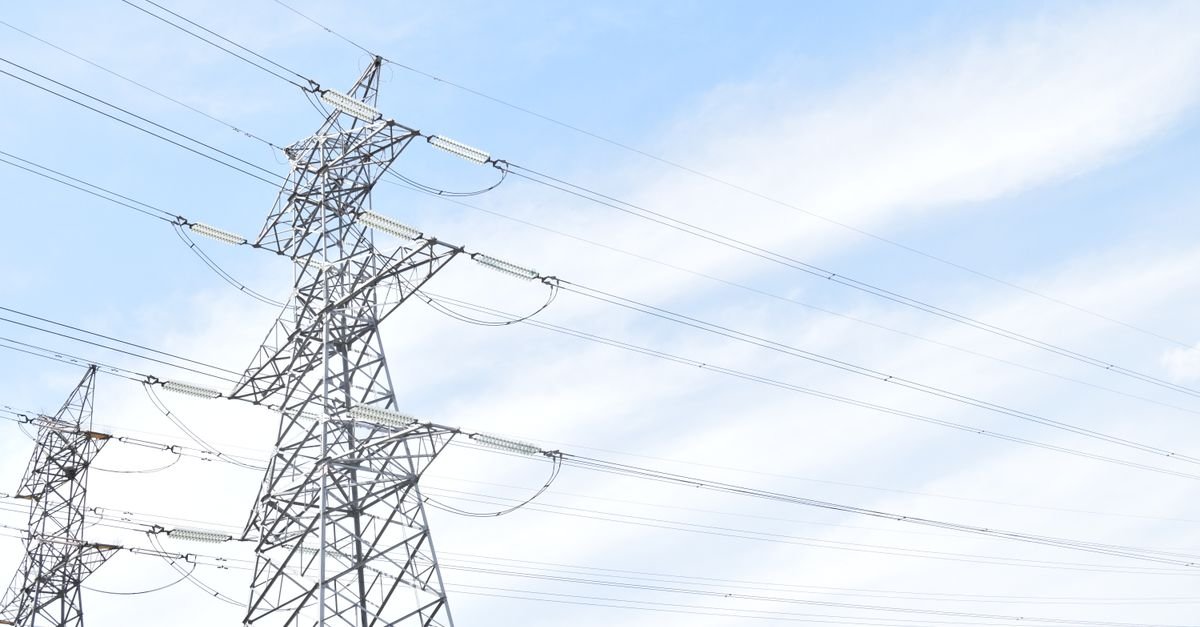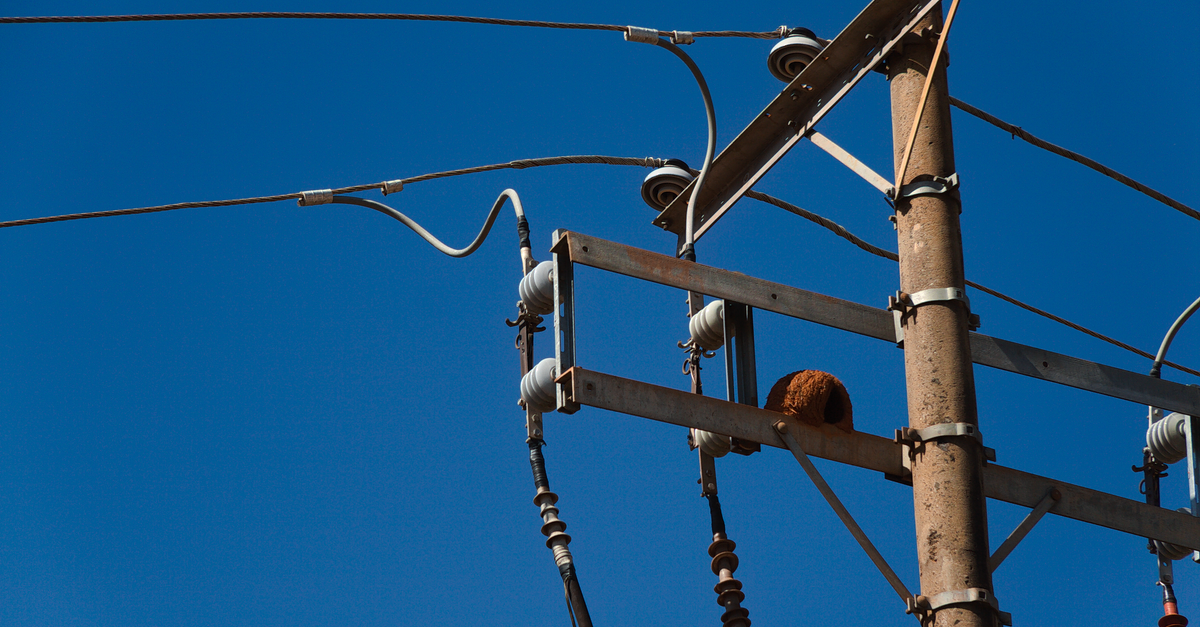
Open phase faults—breaks or disconnections in one or more phases of a three-phase distribution line—pose significant safety and reliability risks to power systems. If undetected, these faults can lead to downed conductors and fire hazards, particularly in wildfire-prone regions. Utilities have long struggled with effective detection methods, as traditional approaches rely on identifying abnormal currents or voltages caused by three-phase unbalances following such events.
Conventional detection strategies present distinct limitations. Current-based methods typically have restricted protection ranges, while voltage-based approaches often fail because back-feed from distributed energy resources or adjacent network segments recreates voltage on the open phase, masking the fault signature.
The newly proposed method addresses these challenges by calculating connection impedance between two measurement points using synchronized phasor data. Under normal operating conditions, the positive-sequence impedance exhibits specific characteristics. However, when an internal open phase occurs, the calculated positive-sequence impedance becomes substantially larger and reverses sign—creating a distinctive, reliable detection signature.
This approach offers several practical advantages. It functions effectively in closed-loop distribution configurations and systems with distributed generation, where traditional methods struggle. Back-feed effects have minimal impact on detection accuracy, and the method requires only point-to-point communication between measurement locations, reducing infrastructure costs.
Implementation is straightforward: the detection logic can be embedded in existing recloser controllers or remote terminal units without requiring system upgrades. This scalability and cost-effectiveness make the technology attractive for utilities seeking to enhance network safety and resilience across large distribution systems.
The method's reliability in complex, modern distribution networks—where distributed energy resources are increasingly common—addresses a critical gap in existing protection schemes. By enabling early detection of open phase conditions before conductor falls occur, utilities can significantly reduce wildfire risks and improve overall distribution system safety.