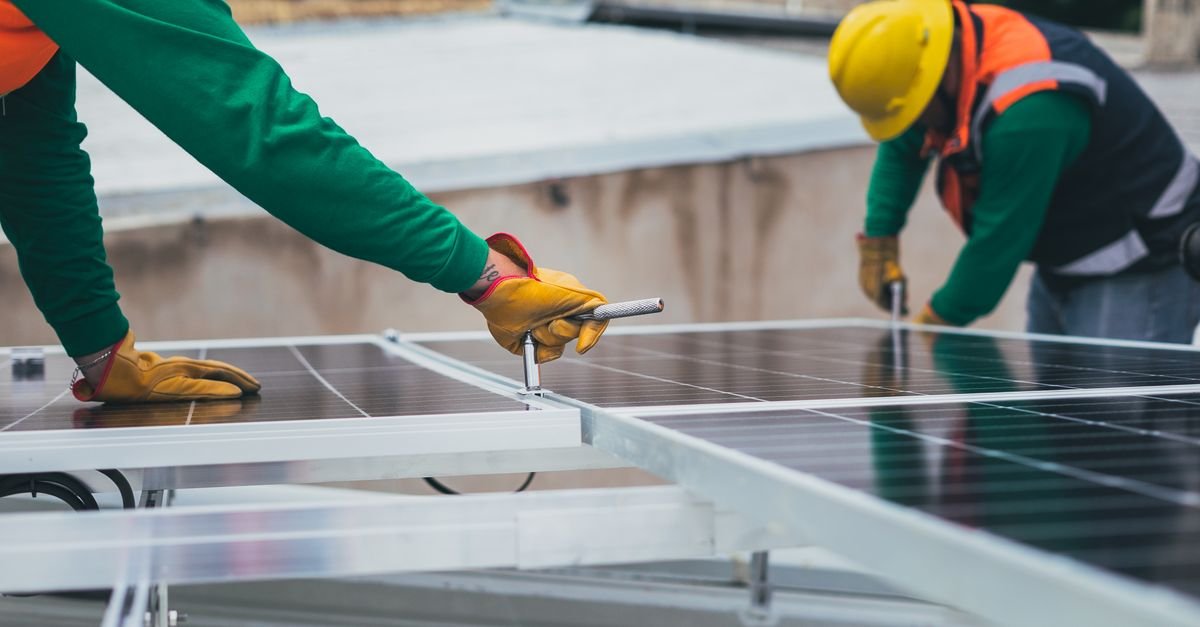
A comprehensive techno-economic and environmental study has modeled the performance of nine solar-driven hydrogen production systems in tropical climates, comparing three photovoltaic technologies against three electrolyzer types. Using measured photovoltaic output data from Universiti Malaya's PEARL Laboratory in Malaysia, researchers evaluated monocrystalline silicon, polycrystalline silicon, and amorphous silicon thin-film solar panels paired with proton exchange membrane, alkaline, and solid oxide electrolyzers.
Results demonstrate distinct performance trade-offs across configurations. The polycrystalline silicon–solid oxide electrolyzer pairing achieved the highest annual hydrogen production at 43.85 kilograms with solar-to-hydrogen conversion efficiency of 7.98 percent. However, this configuration does not necessarily deliver the lowest cost. Polycrystalline silicon systems achieved the lowest levelized cost of energy at $0.072 per kilowatt-hour, while monocrystalline silicon paired with alkaline electrolyzers produced hydrogen at the competitive price of $22.48 per kilogram.
Lifecycle environmental assessments revealed that monocrystalline silicon–alkaline configurations generated the lowest carbon intensity at 7.2 kilograms CO2 per kilogram of hydrogen, though polycrystalline silicon systems demonstrated superior overall carbon mitigation potential. These variations reflect differences in manufacturing embodied energy, equipment efficiency ratings, and operational longevity across technologies.
The study addresses a critical knowledge gap: most green hydrogen research focuses on temperate regions, leaving tropical deployment strategies underexplored. High solar irradiance, humidity, and temperature variations in tropical climates impose unique constraints on system design and economics. The findings establish selection criteria for stakeholders: producers prioritizing volume should favor polycrystalline–solid oxide systems, while cost-conscious operators should consider monocrystalline–alkaline alternatives. Policy makers can use this analysis to align technology deployment with regional decarbonization targets. The authors emphasize that physical validation of electrolyzer performance under actual tropical operating conditions remains an important next step for commercialization.