Trump signals imminent Strait of Hormuz deal with Iran and Oman
⚡ AI Executive Summary
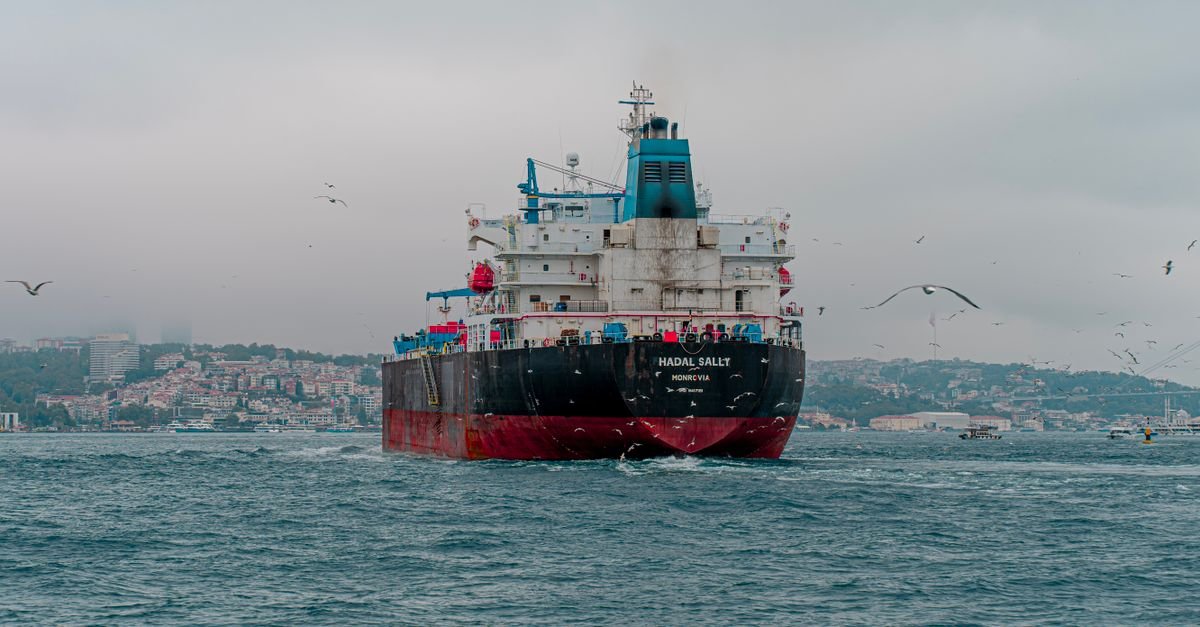
Negotiations between the United States, Iran, and Oman are advancing toward a potential agreement to reopen the Strait of Hormuz, a critical global shipping corridor. A temporary 60-day arrangement has been proposed with separate shipping lanes for inbound and outbound traffic, mine-clearing operations, and no transit fees during the interim period. However, Iran has indicated that reopening the strait depends on changes in US policy, including potential lifting of naval blockades, and formal talks have yet to commence despite the ceasefire holding for several months. This development carries significant implications for global energy markets and grid stability. Disruptions to Hormuz shipping account for a meaningful share of seaborne crude and liquefied natural gas moving to Asia, Europe, and beyond; restoration of reliable transit could stabilize commodity prices and reduce energy supply volatility. Grid operators and utilities in oil and gas-dependent regions have priced in supply uncertainty; a durable accord could ease resource costs and reduce the urgency of emergency conservation measures. Yet the fragility of previous ceasefire arrangements suggests continued risk, and markets must prepare for potential rapid reversal.
This is a brief summary of reporting originally published by Energy Connects. Read the full article for the complete story:
Read the full story at Energy Connects ↗Related in Policy & Markets