US-Canada energy trade experienced a paradoxical outcome in 2025, with aggregate trade value declining significantly while specific energy sectors showed resilience. Census Bureau figures reveal that the $137 billion total represents an 11% contraction year-over-year, driven primarily by weakness in oil and refined products trade. However, within this challenging environment, natural gas and electricity markets demonstrated contrary momentum.
Natural gas trade between the countries increased in both volume and value, benefiting from elevated pricing throughout the year. The North American gas market remained supported by steady demand across industrial, commercial, and residential sectors, coupled with supply constraints that maintained firm prices. This performance underscores the continued importance of cross-border gas flows, with Canada supplying roughly 15% of US natural gas imports through established pipeline infrastructure.
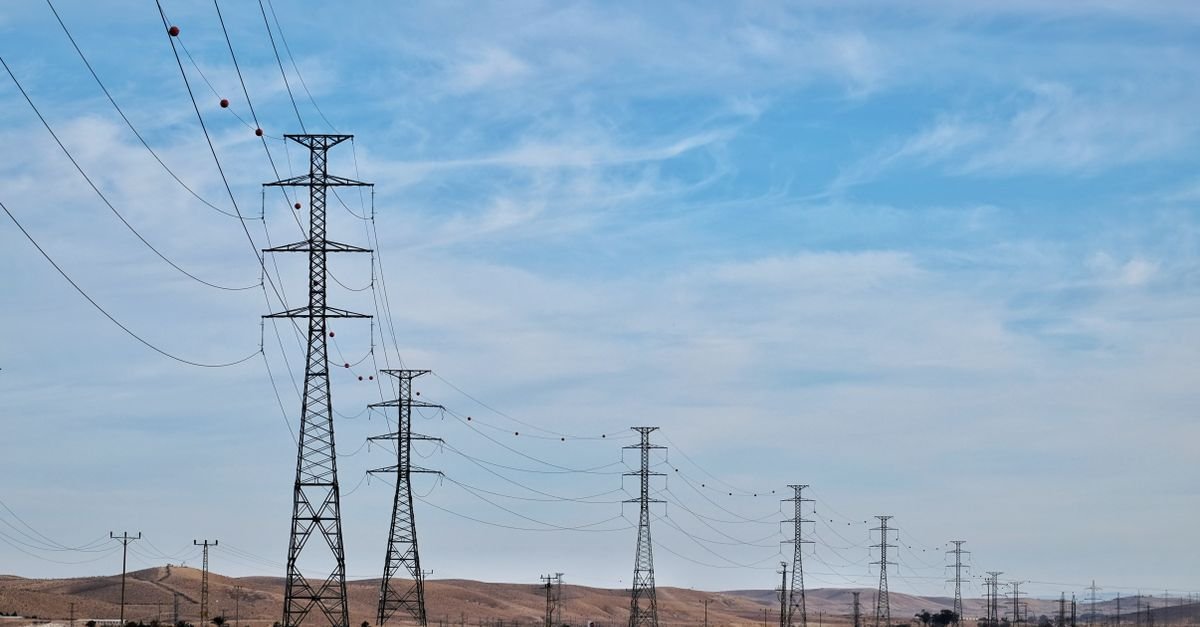
Electricity trade also expanded, reflecting growing reliance on cross-border power exchanges. The interconnected North American grid enables provinces and states to manage seasonal demand variations and renewable generation fluctuations. Western states increasingly depend on Canadian hydroelectric generation, while eastern utilities benefit from Canadian nuclear and hydro resources during peak demand periods.
The divergence between weakening overall trade and strengthening gas-electricity commerce illustrates shifting energy market fundamentals. Crude oil and petroleum products faced significant price pressure in 2025, outweighing gains in power commodities. Meanwhile, energy transition investments and grid modernization initiatives continue driving electricity trade growth, particularly as renewable energy integration requires flexible cross-border resource sharing.
Looking ahead, natural gas trade may face headwinds from continued transition pressure and declining industrial demand in some sectors. However, electricity trade is positioned for sustained growth as both nations pursue decarbonization and grid reliability improvements. The US-Canada energy relationship remains critical to North American energy security and economic stability.