The United States energy consumption landscape has undergone profound transformation over 250 years of national history. From wood-dominated fuel sources in the 18th and 19th centuries to today's complex mix of fossil fuels, renewables, and nuclear power, the trajectory reflects both technological innovation and evolving energy demands.
In 2025, total U.S. energy consumption reached 96 quadrillion British thermal units (quads), representing a 2% increase compared to 2024 levels. However, this figure remains below the historical peak of 99 quads recorded in 2007, suggesting a potential shift in consumption patterns or improved energy efficiency in recent years.
Petroleum maintains its position as the nation's primary energy source, reflecting America's substantial transportation sector and industrial base. Natural gas follows closely, driven by electricity generation, heating applications, and industrial processes. The remaining energy portfolio reflects the diversification strategies pursued across the country.
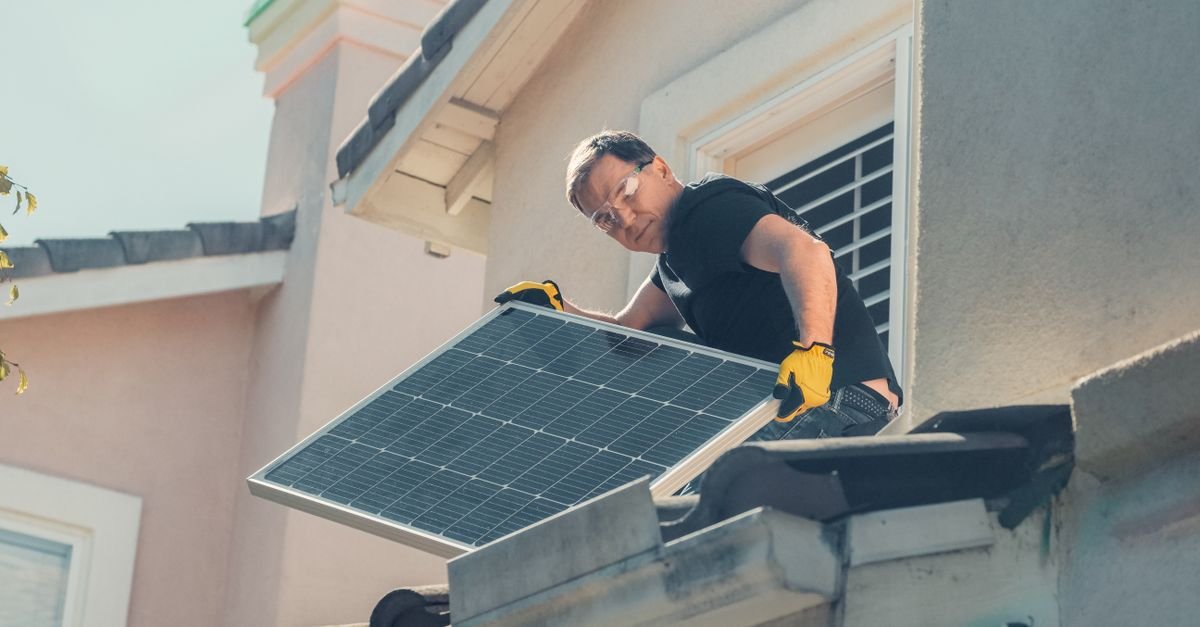
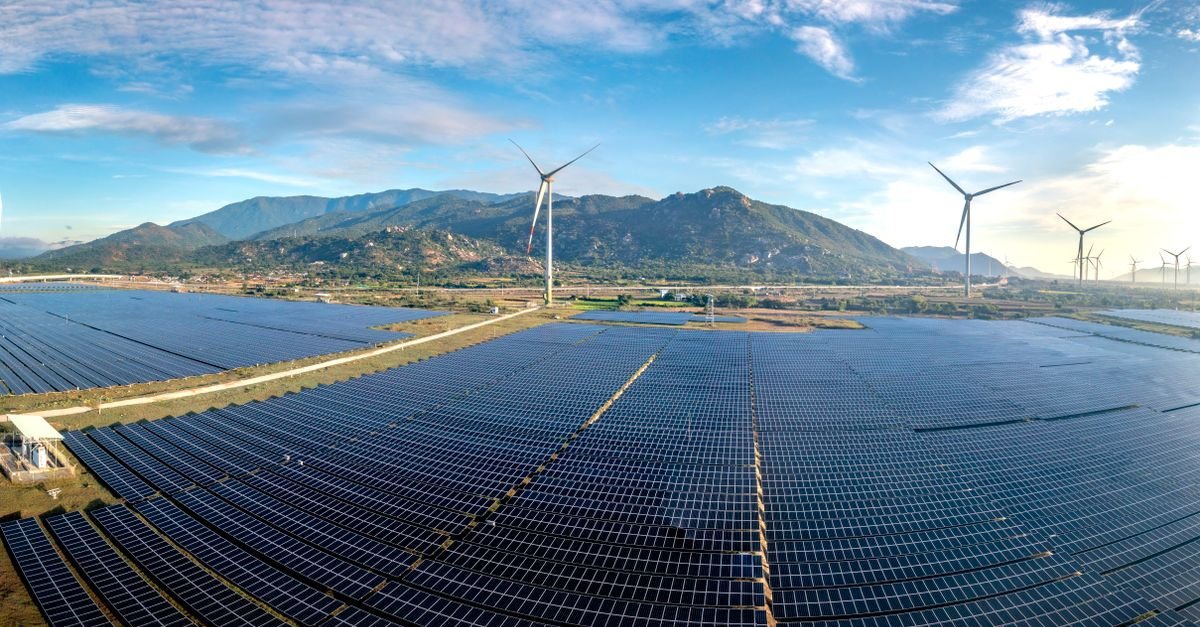
Renewable energy sources—including solar, wind, hydroelectric, and biomass—account for approximately 9% of total consumption. This share has grown steadily as states and the federal government implement climate policies and expand renewable infrastructure. Nuclear energy similarly represents about 9% of the total energy mix, providing reliable baseload generation across numerous regional grids. Coal consumption, while declining from historical peaks, still comprises roughly 9% of total energy use, though its role continues to diminish as natural gas and renewables displace coal-fired generation.
This energy snapshot illustrates the ongoing evolution of America's power infrastructure. While petroleum dominance persists due to entrenched transportation systems and industrial applications, the steady expansion of renewable and nuclear capacity signals a gradual but measurable transition in the nation's energy foundation. Understanding these trends is critical for power engineers and energy planners developing resilient, efficient, and sustainable grid infrastructure for future decades.