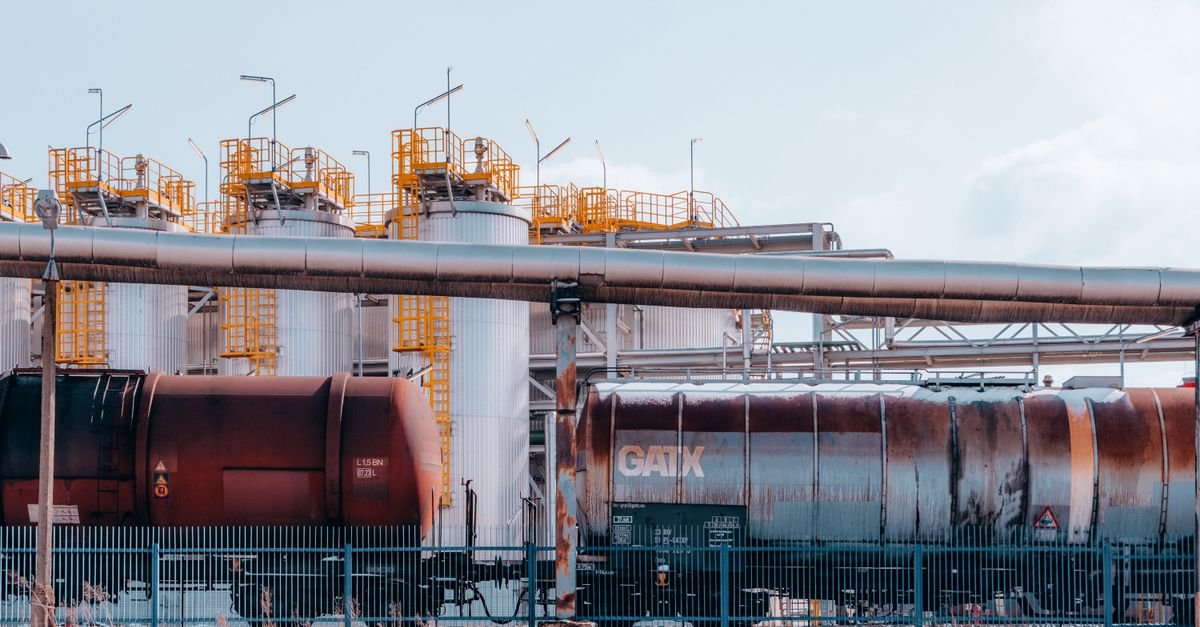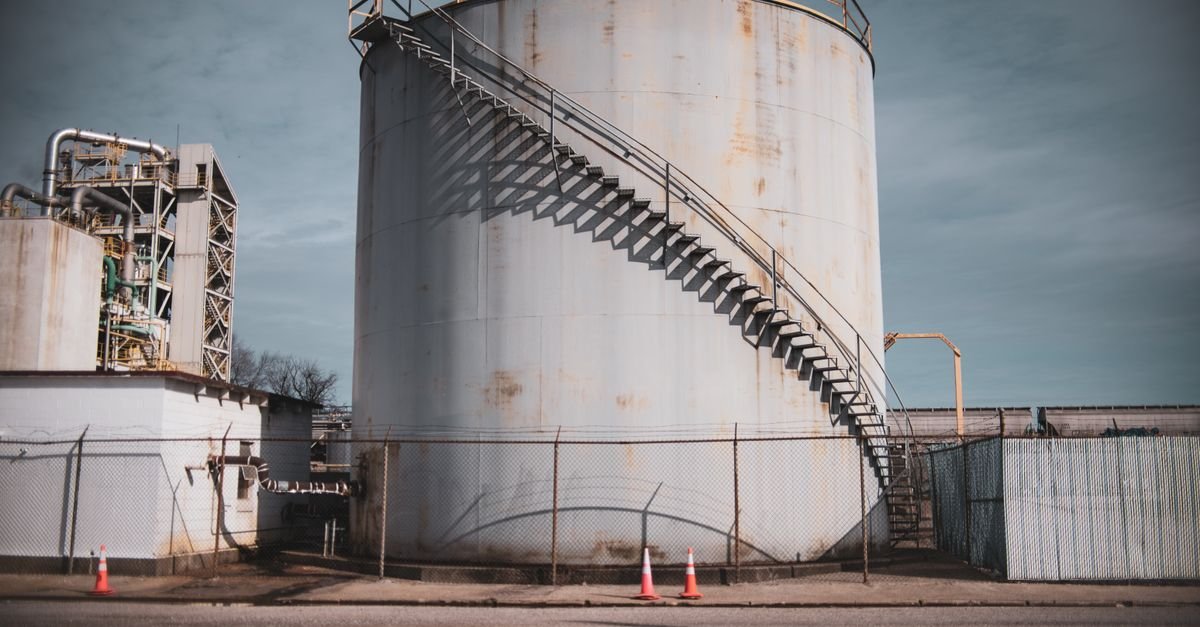
U.S. industrial natural gas consumption has set a new record and is on track to surpass it again in consecutive years, according to the most recent Short-Term Energy Outlook. Consumption averaged 23.6 billion cubic feet per day (Bcf/d) in 2025, edging past the previous record of 23.4 Bcf/d established in 2023—a year-over-year increase of approximately 1%.
The outlook projects that this upward trajectory will continue through both 2026 and 2027, driven largely by incremental growth in the natural gas-weighted manufacturing index. This index, which tracks activity in energy-intensive industrial sectors, is expected to rise modestly over the forecast period, sustaining elevated fuel demand across petrochemicals, metals, food processing, and other manufacturing segments.
For power and energy professionals, the trend carries meaningful implications. Sustained industrial demand at record levels tightens the supply-demand balance for natural gas, particularly during seasonal peak periods when power generation and heating loads also compete for pipeline capacity. Infrastructure planners and grid operators may need to account for reduced fuel flexibility as baseload industrial offtake consumes a larger share of available supply.
On the supply side, continued production growth from major shale plays—including the Permian Basin and Haynesville—will be essential to meeting these elevated demand levels without significant price volatility. LNG export commitments further complicate the domestic supply picture, adding an additional layer of competition for available volumes.
Energy traders, utility planners, and industrial energy managers should monitor pipeline utilization rates and storage injection trends closely as 2026 approaches. If manufacturing activity outperforms current forecasts, consumption could exceed projected figures, amplifying the need for proactive supply contracting and demand-side flexibility measures.