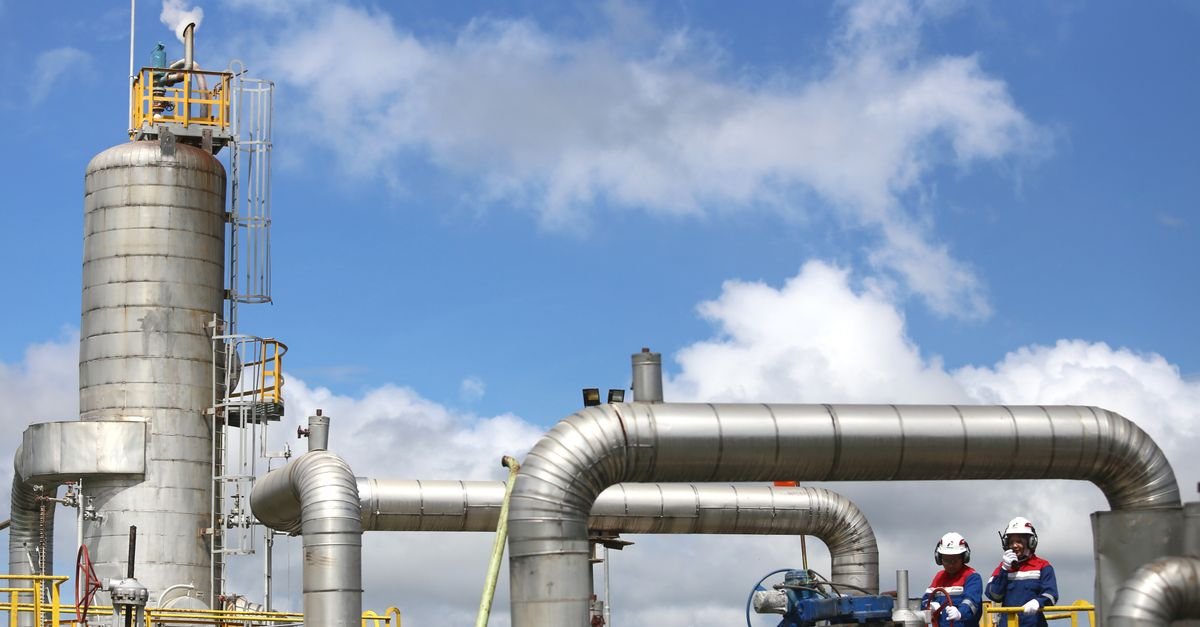
The United States solidified its standing as the globe's largest crude oil producer in 2025, maintaining momentum from a streak that began in 2018 when American output exceeded Russian production for the first time in decades. According to comprehensive international energy statistics, this continued leadership reflects sustained investments in onshore and offshore extraction technologies, hydraulic fracturing innovation, and operational efficiency gains across major producing regions.
The U.S. crude oil dominance carries substantial implications for global energy markets. American production volumes directly influence worldwide benchmark prices, supply stability, and energy security considerations for importing nations. The country's output capacity provides leverage in international energy diplomacy and supports domestic refining operations, petrochemical industries, and energy-dependent manufacturing sectors.
Several factors have enabled consistent U.S. production leadership. The Permian Basin in Texas and New Mexico remains a strategic asset, utilizing advanced extraction methods to maximize recovery rates. Continued technological advancement in horizontal drilling and completion techniques has improved per-well productivity and reduced development costs. Additionally, regulatory frameworks and investment certainty have attracted capital to American projects compared to competing jurisdictions.
The trajectory of U.S. crude production holds implications for the energy transition. While renewable energy expansion accelerates globally, crude oil remains essential for transportation fuels, aviation, petrochemicals, and industrial applications. Maintaining production leadership allows the United States to manage supply-demand balances while advancing energy transition objectives.
Looking ahead, production levels will be influenced by capital investment cycles, technological developments, regulatory changes, and global demand patterns. Energy professionals monitor U.S. output as a critical indicator of global energy market direction, influencing forecasts for oil prices, refinery economics, and downstream industry planning across the power and energy sector.