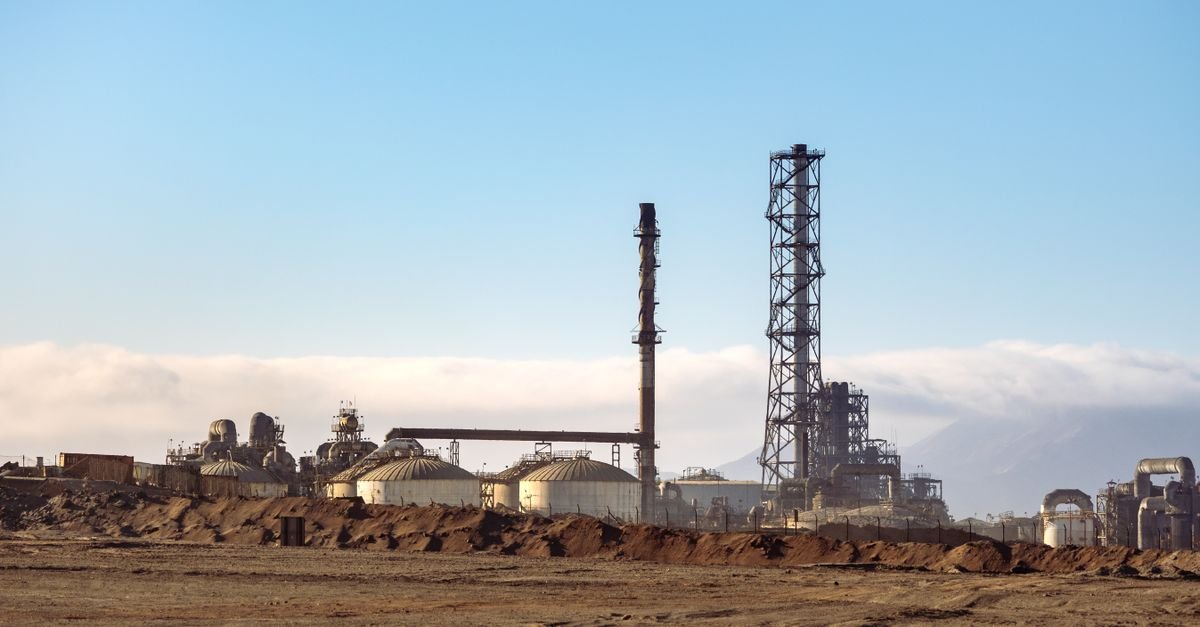
The United States experienced a measurable contraction in refining capacity during 2025, with operable atmospheric distillation capacity declining by approximately 1% year-over-year. As of January 1, 2026, total atmospheric distillation capacity stood at 18.2 million barrels per calendar day, down more than 250,000 b/cd from the same date in 2025.
Atmospheric distillation capacity serves as the primary industry benchmark for measuring overall refinery processing capability, making this metric essential for energy security and petroleum product availability assessments. The decline reflects broader industry trends affecting U.S. refining competitiveness, including volatile crude spreads, stricter environmental compliance costs, and structural shifts in demand patterns.
This capacity reduction comes amid a challenging operating environment for domestic refiners. Economic headwinds, including margin compression and investment uncertainty, have prompted several facilities to curtail operations or permanently shut down processing units. The loss of this processing throughput means reduced domestic production capacity for gasoline, diesel, jet fuel, and other refined products.
The implications extend across energy markets and supply chain resilience. With lower domestic refining capacity, the U.S. may face increased dependence on refined product imports during peak demand periods or supply disruptions. This also affects employment in refining communities and reduces utilization of domestic crude oil production.
Industry analysts are monitoring whether this trend continues in 2026. Key factors influencing future capacity decisions include global crude price movements, domestic fuel demand recovery, continued capital investment by remaining operators, and regulatory environment stability. Energy security considerations may prompt policy discussions around maintaining sufficient domestic refining capability, particularly given geopolitical uncertainties affecting international supply chains.