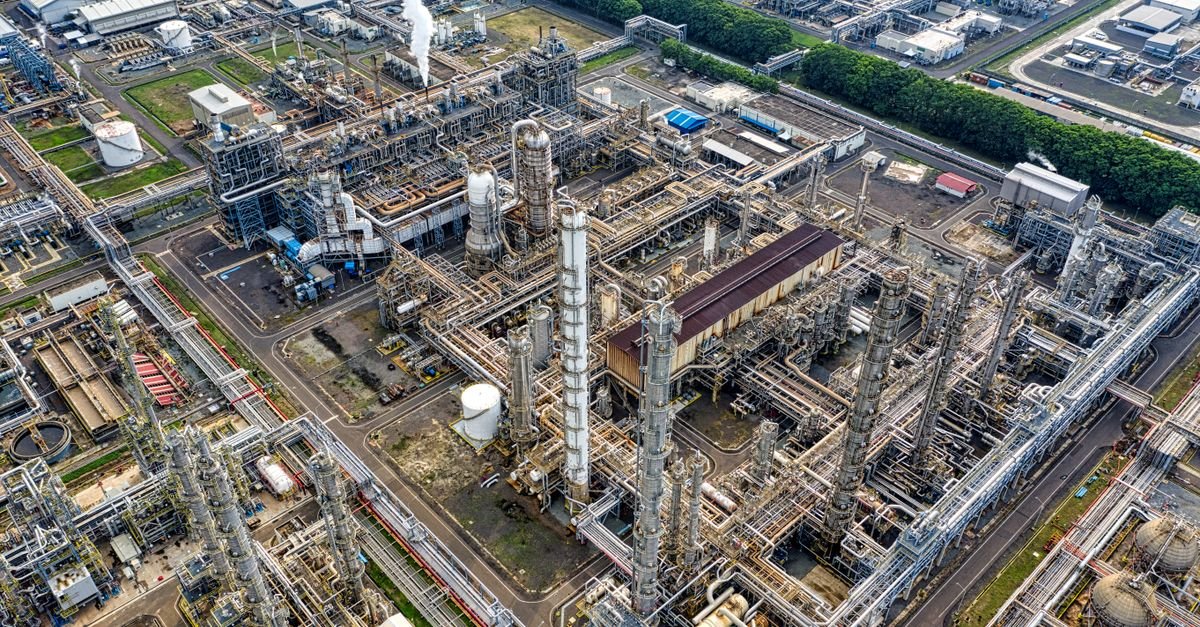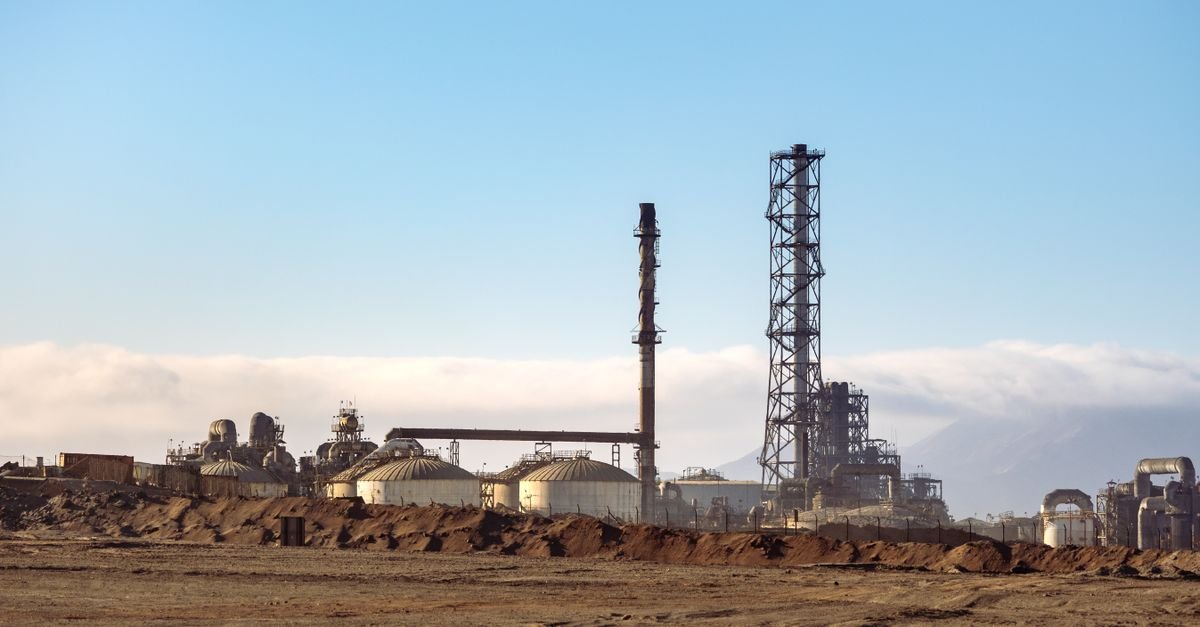
U.S. refining capacity contracted modestly during 2025, with atmospheric distillation capacity declining from 18.45 million barrels per calendar day at the start of 2025 to 18.2 million b/cd by January 1, 2026. This represents a loss of approximately 250,000 b/cd, or roughly 1% of total capacity.
The decrease reflects a multi-year trend of refinery retirements and limited new capacity investment in the domestic refining sector. Key factors driving the contraction include stricter environmental compliance requirements, elevated capital expenditure demands for emissions control infrastructure, and reduced margins from traditional crude oil processing as petroleum demand shifts toward alternative fuels and electrification.
The refining sector has faced mounting pressures to transition toward lower-carbon operations while managing competition from renewable energy expansion and the long-term structural decline in transportation fuel consumption. Refineries with older, less efficient equipment have become increasingly uneconomical to operate, prompting several facility closures across the Gulf Coast, Midwest, and West Coast regions.
This capacity reduction occurs amid broader industry consolidation, with larger integrated energy companies and specialized refiners reassessing their portfolios. Some facilities have been repurposed or mothballed rather than upgraded, as operators weigh the economics of heavy capital investments against uncertain long-term demand forecasts.
The implications extend beyond production volumes. Lower domestic refining capacity may increase reliance on refined product imports for certain fuel grades, potentially affecting supply chain resilience and regional fuel prices. Additionally, fewer operating refineries could influence the competitiveness of U.S. petrochemicals and fuel exports.
Industry observers expect continued pressure on refinery utilization rates and further consolidation unless demand recovery or profitability improvements materialize. Policymakers and energy planners must assess how declining refining capacity affects energy independence, fuel availability, and transition strategy implementation across the broader energy infrastructure.