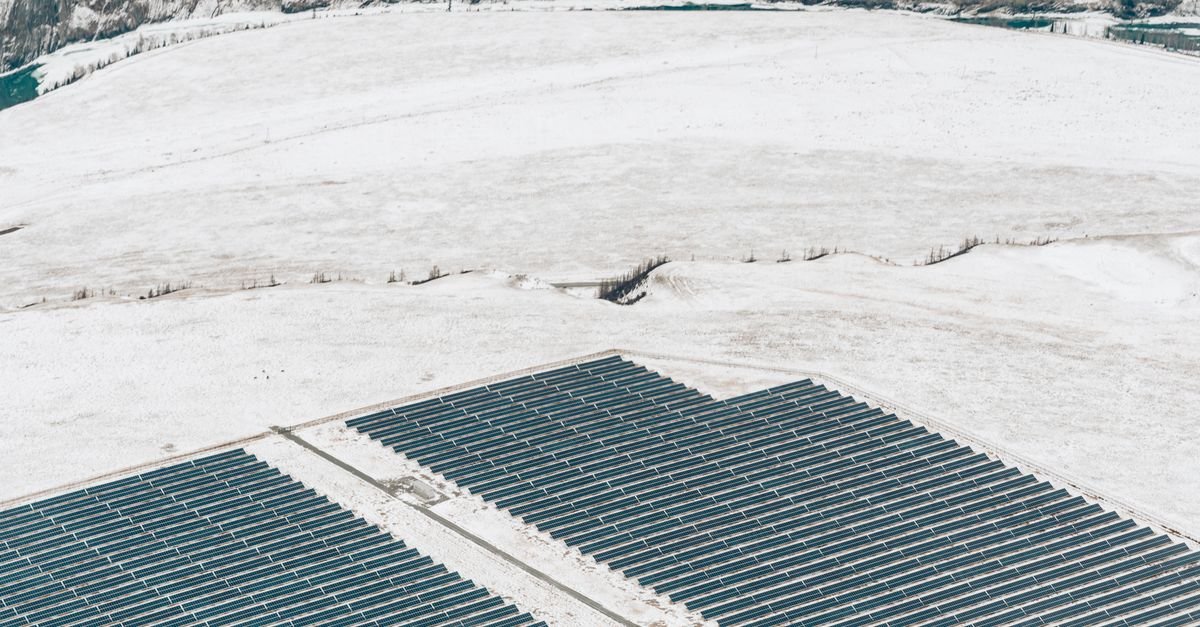
US Section 232 Tariffs Drive Solar Supply Chain Reshoring Strategy
⚡ AI Executive Summary
The White House implemented a 15% tariff on silicon ingots, wafers, cells and modules alongside minimum import prices, marking the most comprehensive trade action yet on solar components. This policy extends restrictions upstream to the polysilicon level and applies across all regions, closing loopholes that previously allowed manufacturers to relocate production to untariffed countries. The strategy aims to accelerate domestic manufacturing investment rather than simply protect existing module assembly. Industry analysts view wafer production as the critical bottleneck in building a resilient US supply chain. While major manufacturers have pledged billions in new investments, significant challenges remain in polysilicon and wafer manufacturing due to high capital requirements, equipment concentration in China, and energy-intensive processes. The tariffs will likely increase module prices in the near term, though strong electricity demand from data centers may absorb cost increases better than typical market conditions would allow.
This is a brief summary of reporting originally published by PV Magazine. Read the full article for the complete story:
Read the full story at PV Magazine ↗Related in Policy & Markets