Utah Desert Test May Unlock Geothermal Energy Nationwide
⚡ AI Executive Summary
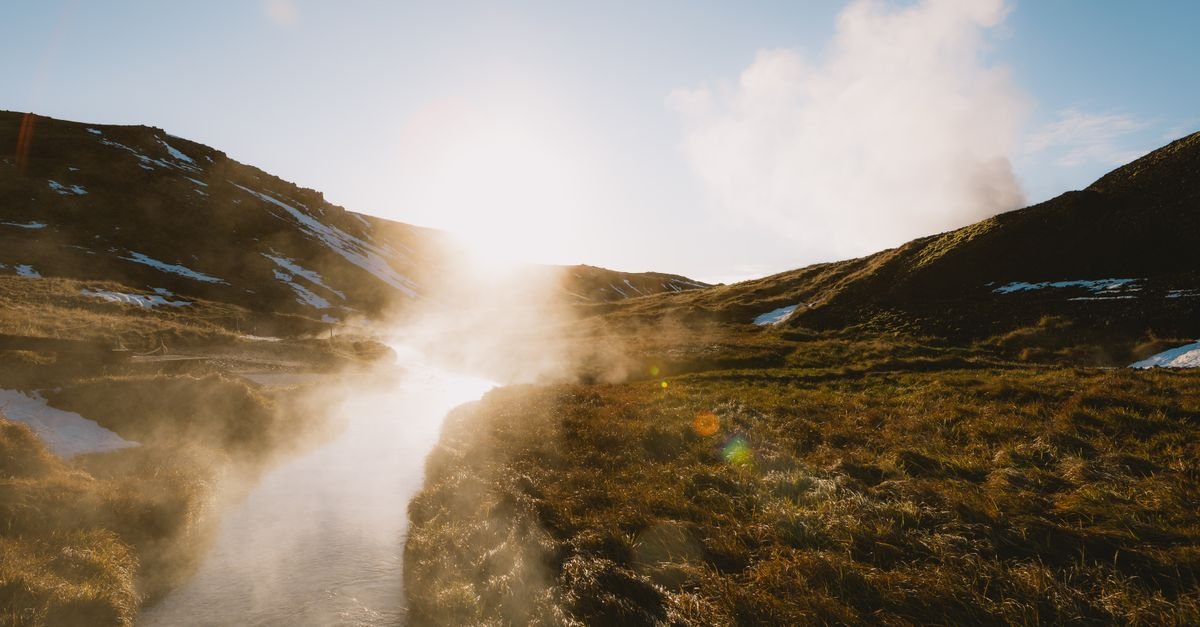
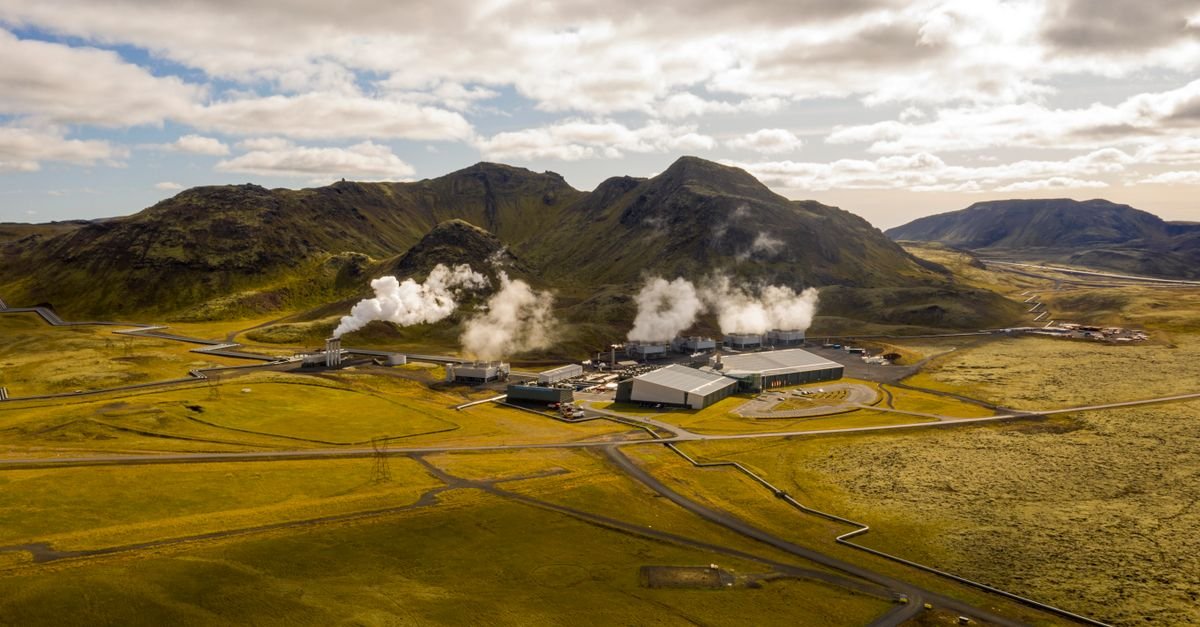
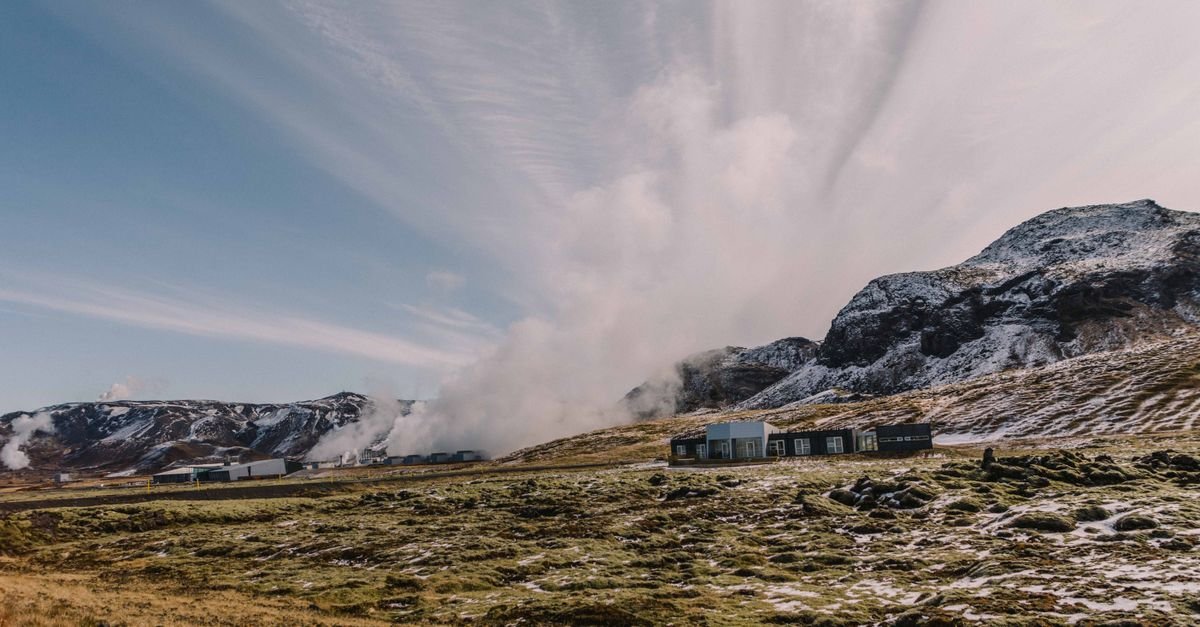
A federally funded field laboratory in Utah is conducting a critical test of enhanced geothermal systems that use oil-and-gas fracking techniques to create subsurface heat reservoirs where none naturally exist. The experiment will determine whether artificially fractured rock can sustain hot water circulation long enough to generate electricity reliably, and whether the approach can be deployed across much of the American West rather than only in traditional geothermal hotspots. Enhanced geothermal represents a rare renewable technology gaining bipartisan political support, with significant implications for grid baseload capacity. If proven at scale, it could provide dispatchable, emission-free generation that complements intermittent renewables and appeals to data-center operators seeking 24/7 power. The technology's success hinges on solving technical challenges—thermal sustainability, seismic risk, and water loss—and demonstrating economic repeatability beyond pilot projects, which will determine whether geothermal becomes a material contributor to decarbonization or remains niche.
This is a brief summary of reporting originally published by Energy Connects. Read the full article for the complete story:
Read the full story at Energy Connects ↗Related in Hydro & Geothermal