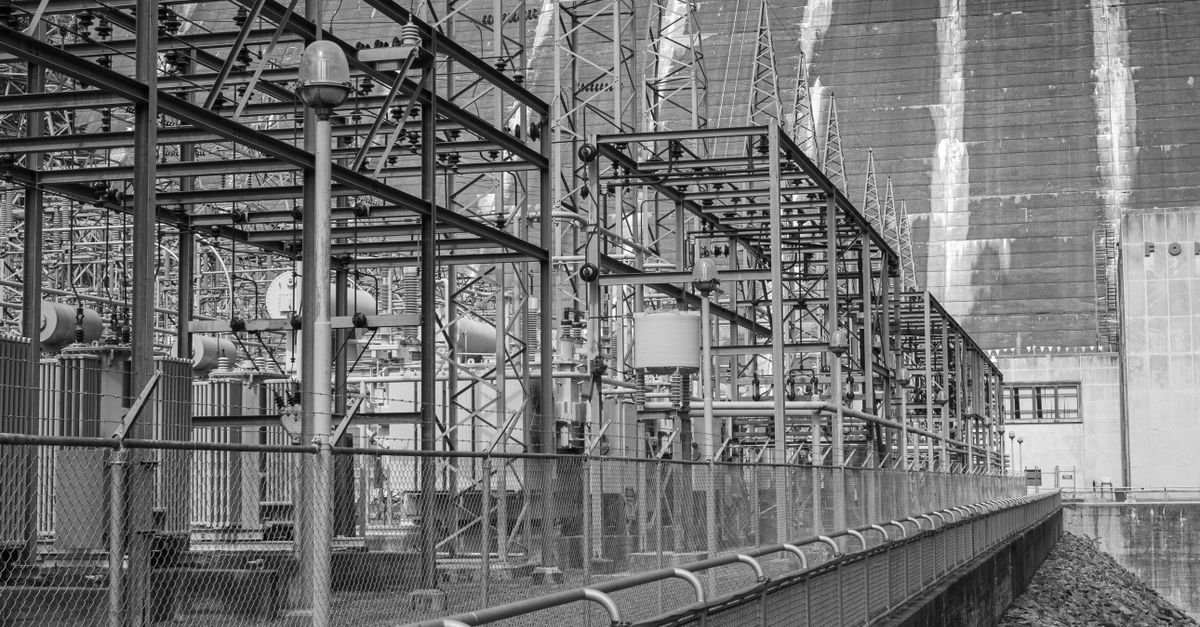
Virtual Power Plants Optimize Flexibility in Heavy Industrial Energy Use
⚡ AI Executive Summary
Researchers have developed scheduling methods for aggregating flexible loads in metallurgical facilities, enabling them to function as virtual power plants that respond to grid signals. The work addresses how energy-intensive industrial processes—such as smelting and refining—can adjust consumption patterns to support grid stability and renewable integration without compromising production targets. This research highlights a critical shift in industrial decarbonization: rather than simply adding renewable capacity, utilities and industries must coordinate demand flexibility at scale. Metallurgical plants represent some of the grid's largest, most predictable loads; treating them as controllable resources rather than fixed drains transforms how operators balance real-time supply and demand. The implications are significant for grids with high renewable penetration, where industrial demand response could substitute for expensive peaking plants or storage. This approach also offers metallurgical operators an economic incentive to participate in frequency and voltage support markets, creating a win-win pathway for both industrial competitiveness and grid resilience.
This is a brief summary of reporting originally published by Renewable Energy Focus. Read the full article for the complete story:
Read the full story at Renewable Energy Focus ↗Related in Smart Grid