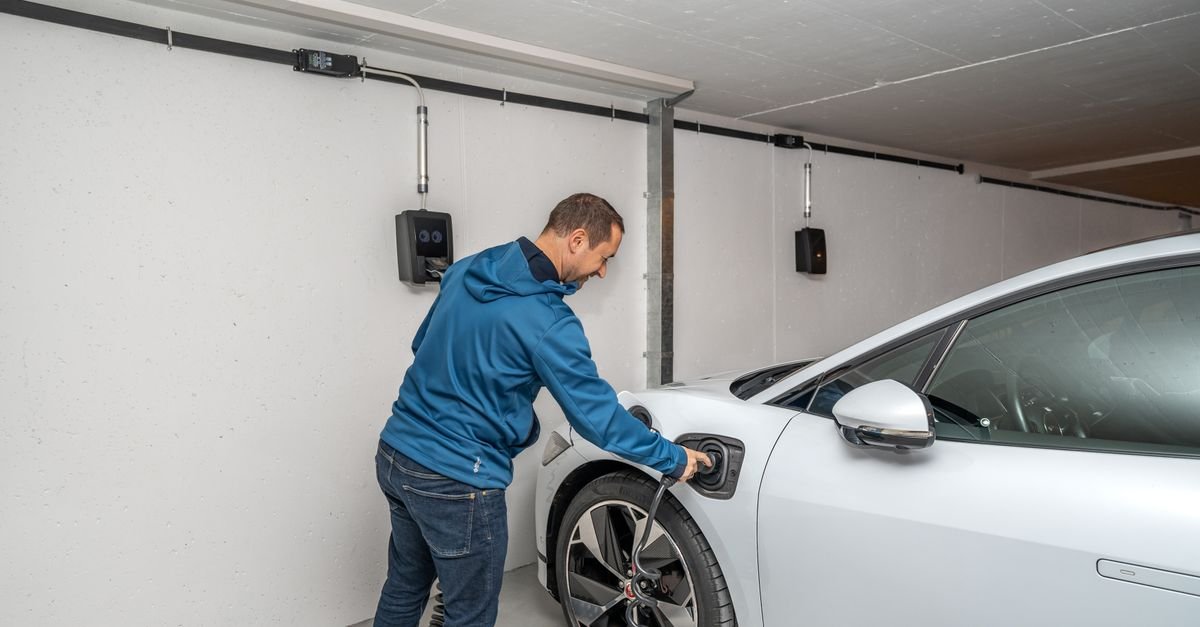
Bidirectional wireless power transfer represents a significant evolution in electric vehicle charging infrastructure, moving beyond simple vehicle-charging scenarios toward intelligent, grid-interactive energy systems. Unlike conventional wired charging, BWPT allows vehicles to both receive and deliver power wirelessly, supporting vehicle-to-grid, vehicle-to-home and vehicle-to-vehicle applications that enhance grid flexibility and enable peer-to-peer energy trading.
A recent comprehensive review synthesizes research across four critical domains: electromagnetic modelling, power flow control, communication protocols and cybersecurity resilience. The analysis highlights that previous studies have treated these areas independently, missing opportunities to optimize system performance through integrated design.
Modelling techniques range from analytical and frequency-domain approaches to computationally intensive finite-element methods, each offering different trade-offs between accuracy and implementation complexity. Control strategies under evaluation include triple-phase-shift modulation, model-predictive control and reinforcement learning algorithms, with success measured by zero-voltage switching capability, efficiency gains and practical feasibility.
Communication and cybersecurity emerge as equally critical layers. Standard protocols such as ISO 15118, TLS encryption and CAN bus architecture must work seamlessly with power flow regulation to ensure reliable, secure operation. The review demonstrates how vulnerabilities at the protocol level can compromise grid stability and financial transactions in peer-to-peer energy markets.
Standardization initiatives remain incomplete, with ongoing work to harmonize wireless charging specifications globally. Practical deployment challenges include managing heat generation in high-efficiency wireless links, managing system complexity for end-users and validating performance at scale across diverse grid conditions and vehicle types.
The review establishes BWPT as a true cyber-physical system where electromagnetic, electrical, computational and informational layers must operate cohesively. Future research priorities include digital-twin simulation for predictive maintenance, AI-driven adaptive charging algorithms and secure multi-agent energy trading frameworks that respect both grid constraints and user privacy.