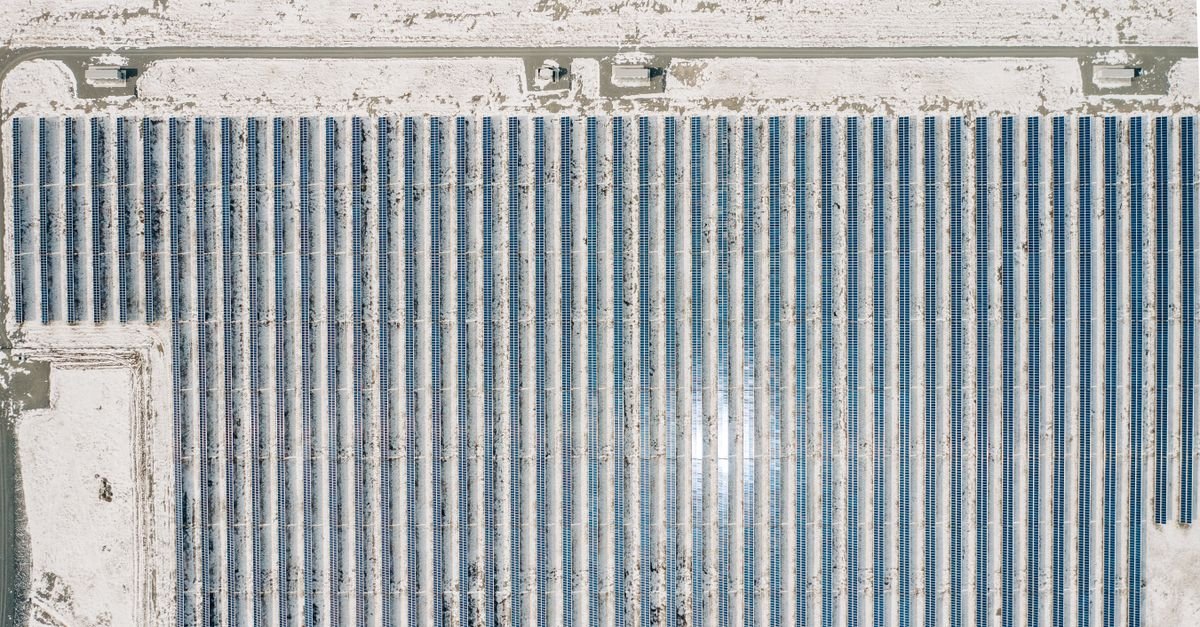
A comprehensive field study of monocrystalline silicon photovoltaic modules operating for three decades in Algeria's desert climate offers rare empirical data on long-term PV degradation in extreme environments. Researchers evaluated 64 aged modules using standardized IEC 61215 testing protocols, measuring electrical performance through current–voltage and power–voltage characteristics, insulation resistance, and wet leakage current.
The analysis revealed an average annual degradation rate of 1.5%, with individual modules ranging between 1% and 2% per year. Despite three decades of continuous exposure to intense solar radiation, high temperatures, and dust accumulation, most modules retained acceptable electrical performance and compliance with relevant safety standards. This finding contradicts assumptions that desert climates would cause catastrophic performance decline.
The study identified multiple degradation mechanisms affecting module longevity differently. Cell browning—discoloration caused by light-induced degradation—appeared alongside busbar corrosion, microfractures in silicon cells, and junction-box detachment. Visual inspection revealed these defects progressed gradually without immediately compromising electrical output, suggesting modules can tolerate moderate structural damage while maintaining functional capacity.
These results have significant implications for solar asset management. A 1.5% annual degradation rate implies modules retain approximately 55% of initial power after 30 years, supporting extended operational life beyond typical 25-year warranty periods. For operators managing aging solar farms in desert regions—including North Africa, the Middle East, and Australia—the data provides realistic performance baselines for lifecycle costing and replacement planning.
The research also informs accelerated testing standards and reliability models used by manufacturers. By validating actual field degradation against laboratory predictions, engineers can refine predictive maintenance schedules and optimize capital expenditure on module refurbishment versus replacement. As the global solar fleet ages, such long-term field data becomes increasingly valuable for understanding real-world module behavior and extending asset lifespans economically.