Gas-insulated power equipment, critical for reliable electricity transmission and distribution, faces persistent challenges in detecting leaks and monitoring gas-handling integrity. Conventional monitoring systems rely on fixed alert thresholds that prove inadequate when operating conditions fluctuate, leading to either excessive false alarms or dangerously missed detections.
Researchers have developed an intelligent monitoring framework that combines two complementary machine learning techniques. A random forest model establishes adaptive thresholds that evolve with changing operating states, learning expected signal behavior across different equipment conditions. Simultaneously, a bidirectional gated recurrent unit network—a type of deep learning architecture—analyzes temporal patterns in multivariate monitoring data and predicts future signal evolution. The system uses a persistence-based decision rule comparing predicted signals against the adaptive threshold to identify genuine abnormalities.
This hybrid approach addresses the core limitation of traditional methods: static thresholds cannot accommodate the natural variation in operating signals. As equipment undergoes typical cycles like evacuation and refilling, the proposed system remains calibrated to expected behavior, distinguishing normal operational variance from genuine fault indicators.
Testing demonstrates that the framework maintains stable prediction accuracy and reliable anomaly detection even under dynamic operating conditions. The combination of adaptive statistical modeling with sequential neural network prediction proves more effective than single-method approaches, offering power system operators a practical tool for early leak identification.
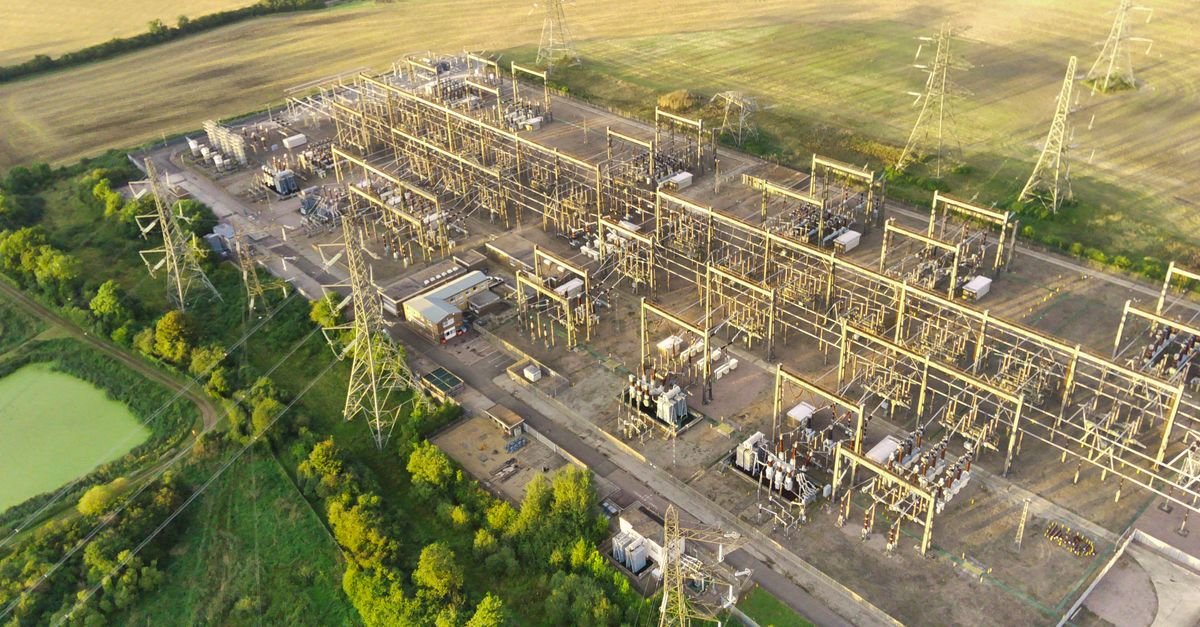
For utilities managing aging gas-insulated infrastructure, this technology provides enhanced condition monitoring that could extend equipment life, reduce unplanned outages, and improve safety. The approach is particularly valuable in high-voltage substations and power plants where gas-insulated switchgear represents significant capital assets. As grid operators increasingly adopt predictive maintenance strategies, intelligent leak detection systems become essential components of comprehensive asset management programs.