As Europe accelerates its renewable energy transition, offshore wind power plants connected via high-voltage direct current (HVDC) transmission are becoming essential for grid stability, not just generation. Unlike traditional synchronous generators that naturally provide inertia and frequency support, modern offshore wind farms must actively deliver these ancillary services to maintain grid reliability.
This technical review synthesizes current regulatory frameworks and commercial service products across major European transmission operators and grid authorities. Key ancillary services include inertia support—which helps arrest frequency decline during disturbances—fast frequency reserve (FFR) to activate within seconds, and frequency containment reserve (FCR) to stabilize frequency deviations. Recent updates from ENTSO-E, ACER, NESO, TenneT, and Energinet reflect evolving expectations for offshore wind farms to contribute alongside conventional power sources.
However, implementing these services from HVDC-connected offshore wind presents distinct technical challenges. Offshore facilities face limited fast response capacity due to control bandwidth constraints and converter dynamics. Stacking multiple service obligations—simultaneously providing inertia, FFR, and FCR while maximizing energy export—requires sophisticated optimization that current control systems struggle to achieve. Additionally, inertia support from offshore wind exhibits inherent asymmetry, responding differently to frequency increases versus decreases, complicating grid code compliance.
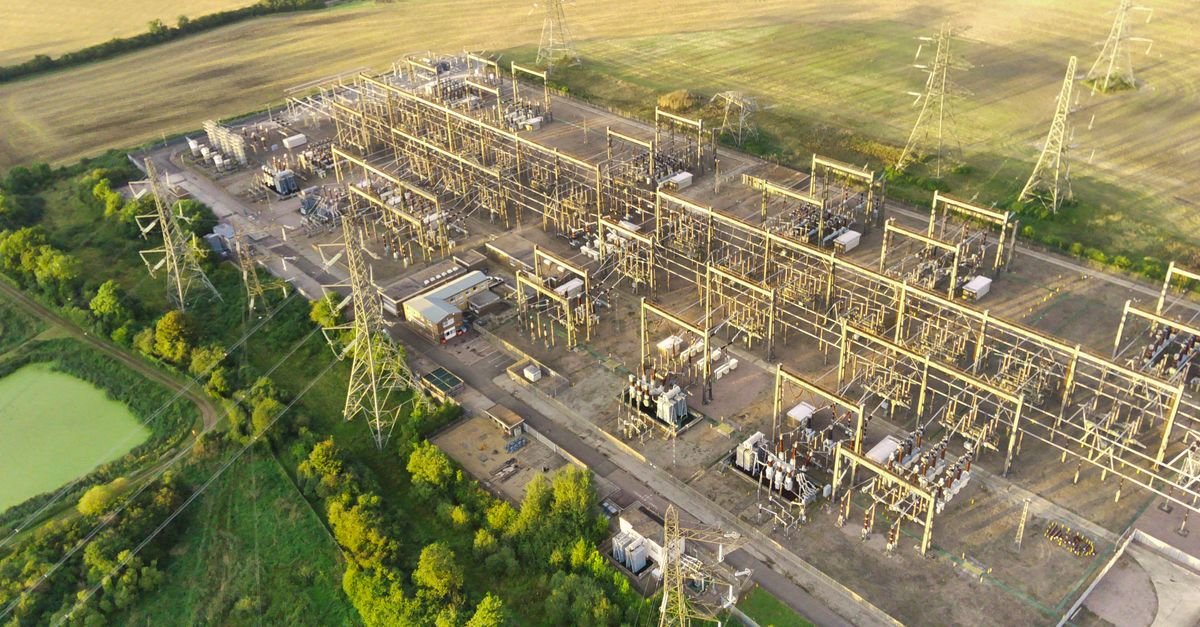
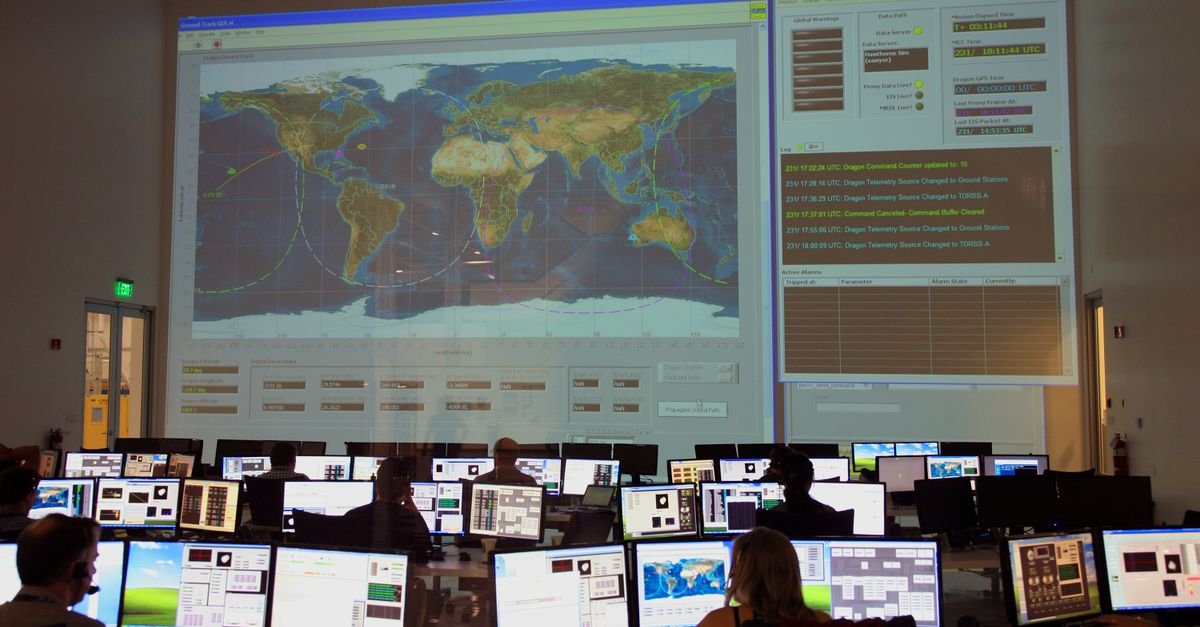
Coordination across the entire HVDC-OWPP system remains underdeveloped. Offshore substations, onshore converter stations, and control systems must seamlessly coordinate to deliver reliable ancillary services while maintaining power quality and cable thermal limits. As offshore generation capacity scales to multiple gigawatts per site, these coordination issues become critical infrastructure concerns.
The review underscores that bridging these technical gaps requires continued collaboration between grid operators, equipment manufacturers, and regulators. Standardized testing protocols, harmonized grid codes, and advanced control strategies will be essential to unlock the full potential of offshore wind as a grid-supporting resource rather than merely a variable generator.