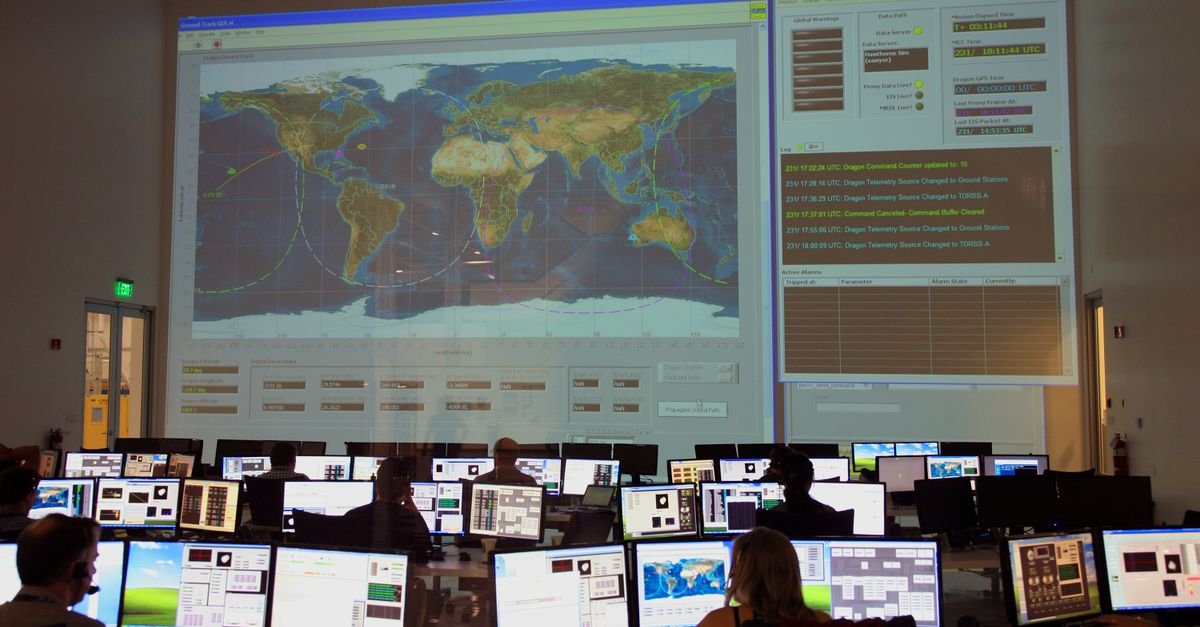
As renewable energy penetration increases, grid operators face growing challenges balancing variable supply with fluctuating demand. Distributed Energy Resource Aggregators (DERAs) offer a practical solution by bundling rooftop solar, battery storage, and flexible loads into coordinated virtual power plants that respond dynamically to grid conditions.
Researchers have developed an integrated forecasting and control framework that enables DERAs to follow grid net-demand patterns—the residual load after accounting for variable renewable generation. The system treats each aggregator as a flexible "virtual battery" with realistic constraints on charge state and power output limits.
The control strategy uses rolling-horizon model predictive control (MPC), a technique that continuously updates dispatch decisions using the latest demand forecasts. Rather than optimizing fixed schedules, the system recalculates optimal resource allocation at regular intervals, enabling rapid response to changing conditions. The optimization minimizes three objectives: deviations from target charge levels, abrupt output changes, and tracking errors against net-load targets.
Two forecasting models are compared: traditional linear regression and long short-term memory (LSTM) neural networks. Testing on high-resolution California Independent System Operator (CAISO) data spanning multiple seasons and DERA configurations reveals important trade-offs. LSTM networks demonstrated superior performance for shorter forecast horizons typical of real-time operations, while linear models remained computationally efficient for longer-term planning.
Key findings highlight the interdependence between forecast accuracy, update frequency, and system performance. More frequent MPC updates improve tracking but require reliable short-term predictions. Conversely, longer forecast horizons demand more sophisticated models to maintain accuracy.
This work addresses a critical gap in grid modernization: how to operationally coordinate distributed resources in real time. As utilities deploy more DERAs and microgrids, these control frameworks become essential infrastructure for maintaining reliability while maximizing renewable utilization and deferring costly transmission upgrades.