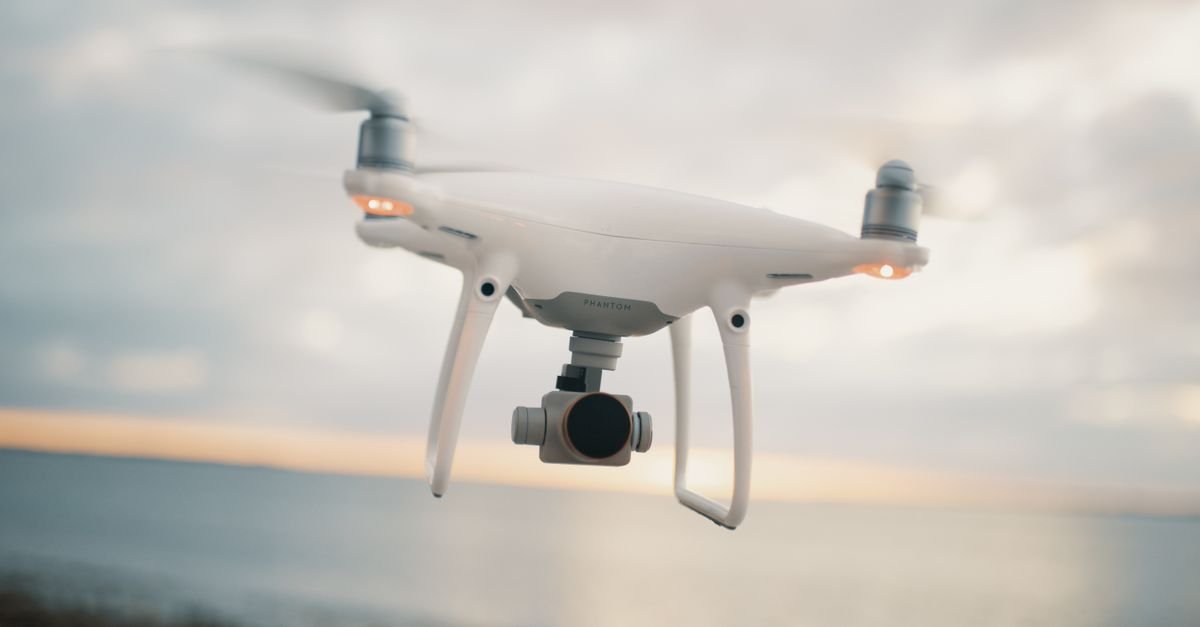
Photovoltaic panel performance degrades over time as protective coatings wear away, reducing their ability to reflect unwanted light and shed dirt and dust. While anti-reflective and self-cleaning coatings can substantially improve panel efficiency, current maintenance approaches rely on manual labor, making frequent reapplication economically impractical for many solar farms. Researchers have now demonstrated a fully autonomous solution: a quadcopter equipped with a liquid dispersion system that can independently locate and coat PV panels with minimal human intervention.
The system combines visual-inertial odometry with onboard computer vision to detect panel locations relative to the drone, eliminating the need for external positioning infrastructure. A model-based flight controller compensates for the ground effect—the aerodynamic interference created when operating close to surfaces—and accounts for the gradual mass reduction as liquid is dispensed during flight. This dynamic adjustment ensures stable hovering and precise coating application throughout the operation.
Extensive testing in both controlled indoor environments and real-world outdoor conditions validated the system's autonomous capabilities. The quadcopter successfully approached panels, maintained stable proximity, and distributed coating material consistently. By automating a task that currently demands specialized technicians and significant scheduling coordination, this technology could substantially reduce maintenance costs for utility-scale and distributed solar installations.
The implications extend beyond cost savings. With more frequent and affordable reapplication cycles, solar operators can maintain peak panel efficiency throughout their operational lifespan, translating to measurable gains in energy output. For portfolios spanning thousands of panels, even modest efficiency improvements compound into substantial additional generation. As drone technology matures and regulatory frameworks evolve to permit autonomous aerial operations at scale, this approach offers a pathway to maximize return on solar capital investments while simplifying field operations.