Southern Africa's urban electricity infrastructure faces mounting pressure from aging grids, persistent supply interruptions, and growing demand. A comprehensive analysis of hybrid energy system deployments reveals how distributed generation is beginning to reshape the region's energy landscape, particularly in addressing reliability challenges that traditional centralized systems have failed to resolve.
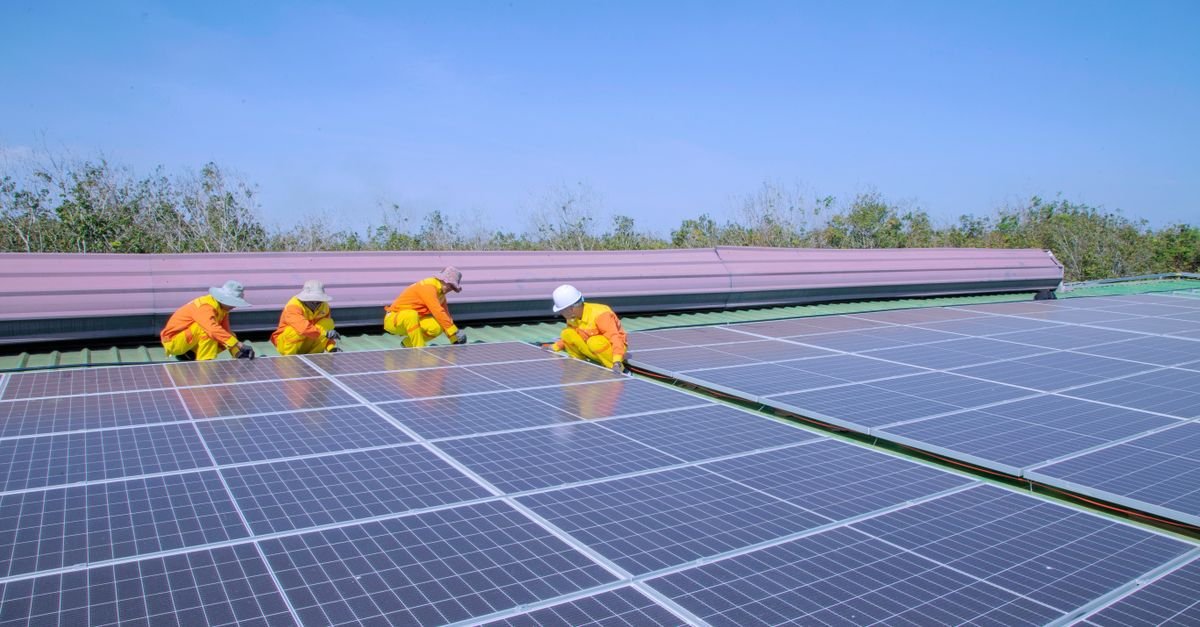
Research spanning 2010–2025 demonstrates that photovoltaic-battery configurations have emerged as the dominant hybrid architecture in urban Southern Africa, with South Africa leading deployment numbers. These systems achieve remarkable economic performance: levelized costs of electricity average $0.18 per kilowatt-hour, with financial savings reaching 14–69 percent compared to conventional grid-only scenarios. The wide cost range reflects varied system sizes, application contexts, and regional differences in equipment pricing and installation labor.
Environmental outcomes prove equally compelling. Urban hybrid installations consistently deliver carbon emission reductions between 57 and 90 percent, with renewable energy fractions reaching 42–100 percent depending on system design and local resource availability. These performance metrics validate the dual benefit proposition: enhanced reliability alongside meaningful decarbonization.
However, the analysis identifies critical gaps limiting broader adoption. Complex system architectures incorporating biomass, hydrogen, or concentrated solar power remain sparse in urban deployments, suggesting opportunities for technology diversification. More significantly, South Africa dominates the research landscape, leaving neighboring countries underrepresented in academic literature and, potentially, in deployment experience.
The study emphasizes that realizing hybrid systems' full potential requires institutional evolution beyond technical optimization. Standardized measurement and reporting protocols would enable more rigorous cross-country comparison and performance benchmarking. Equally important, supportive regulatory frameworks and tariff structures must align financial incentives with system benefits. Without these enabling conditions, urban hybrid systems risk remaining niche solutions rather than becoming the foundational infrastructure for a resilient, low-carbon Southern African power system.