Solar technology adoption across West Africa is accelerating as countries tackle persistent energy poverty, yet the factors driving user decisions remain poorly understood. New research examining residential, commercial, and industrial sectors in Ghana and Nigeria reveals that local context fundamentally shapes clean energy choices in ways that global energy access frameworks often overlook.
Between late 2023 and early 2026, researchers conducted field visits, direct observations, and stakeholder interviews to identify the real-world drivers influencing solar adoption decisions. The analysis uncovered a critical finding: while availability and affordability emerge as dominant decision factors, their practical meaning differs markedly between the two countries and across sectors.
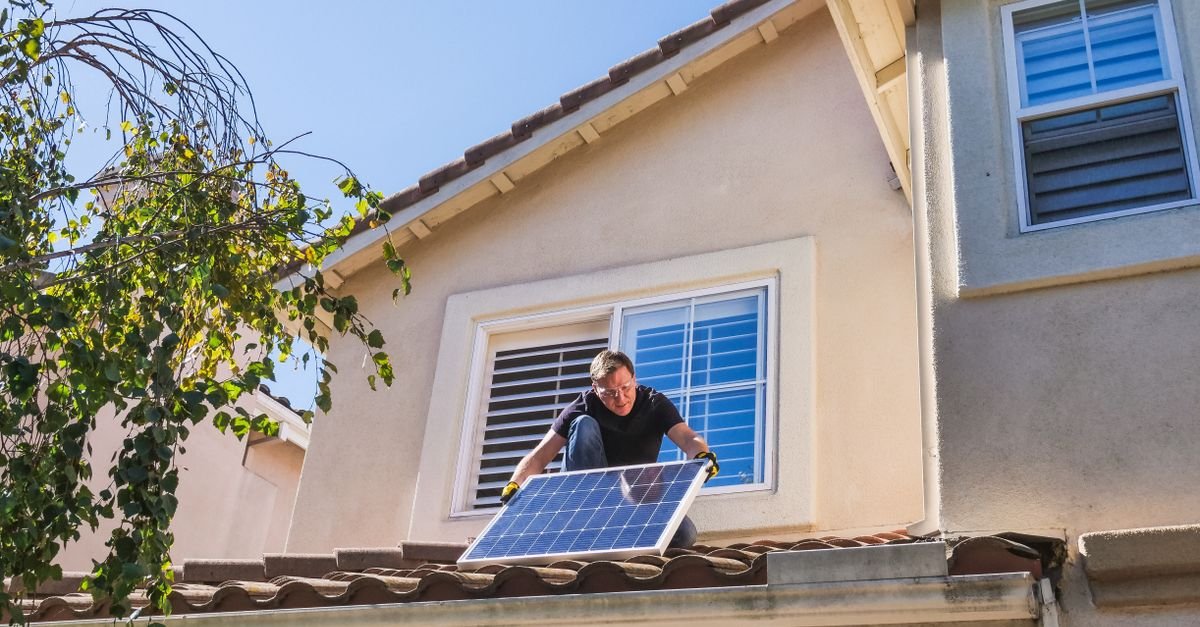
In Nigeria, solar systems primarily serve as a substitute for chronically unreliable grid electricity. Users prioritize having any consistent power supply over tariff considerations. Conversely, in Ghana, where grid reliability has improved, solar adoption is driven largely by the desire to reduce exposure to higher electricity tariffs. This distinction has profound implications for policy design.
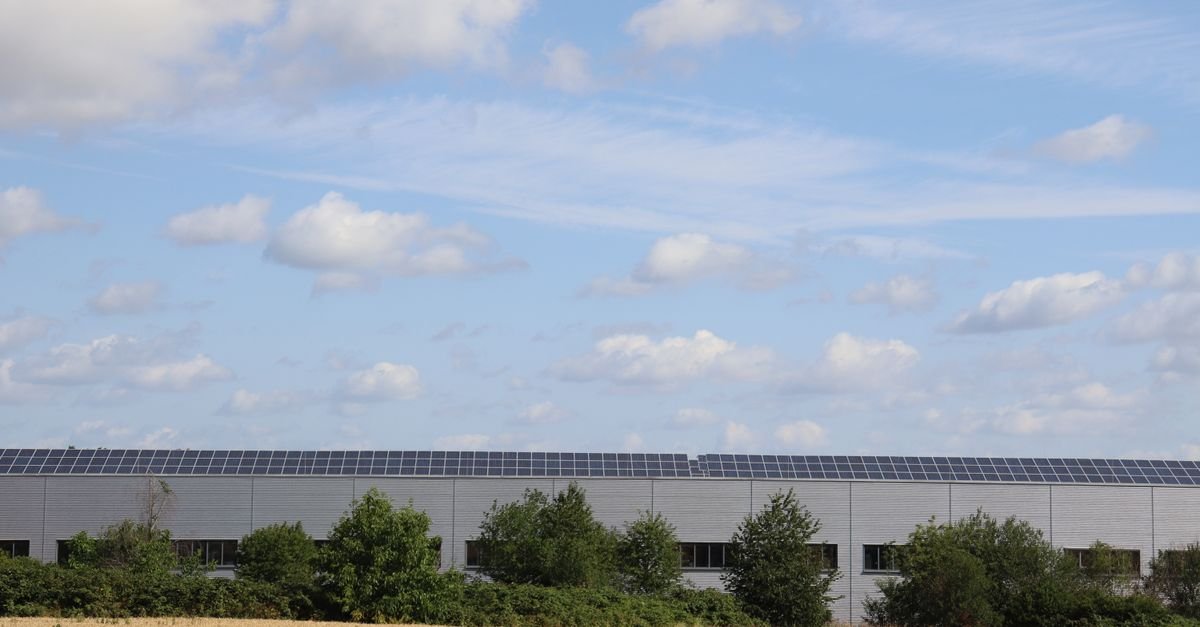
Within sectors, variation also appears. Commercial and industrial users weigh affordability differently than residential consumers, with longer payback horizons and operational requirements influencing technology selection. What constitutes "affordable" or "available" technology thus depends on whether users face supply scarcity, cost pressure, or both.
These findings challenge the application of standardized energy access metrics across diverse West African contexts. One-size-fits-all solar promotion campaigns risk missing critical adoption barriers or misaligning incentives. Instead, effective interventions require granular understanding of each market's specific constraints—whether grid stability, tariff structures, or capital availability.
For utilities, regulators, and development agencies supporting solar expansion, the research underscores the necessity of tailored strategies. In Nigeria, efforts should emphasize reliability and system resilience. In Ghana, strategies emphasizing cost savings and tariff relief will likely resonate more effectively. This context-driven approach promises more successful, sustainable solar technology deployment across West Africa.