Infrared thermography has become the standard diagnostic tool for identifying open bypass circuit failures in photovoltaic installations. When bypass diodes fail to conduct properly, current bypasses are blocked, creating isolated hot zones on module surfaces that reduce output and accelerate degradation. However, traditional IR imaging faces significant accuracy challenges in real-world conditions.
Reflective surfaces in the surrounding environment—such as building structures, metal antenna installations, and other infrastructure—introduce thermal noise into infrared measurements, making it difficult to distinguish true module temperatures from reflected ambient signals. This phenomenon compromises the reliability of fault detection and can lead to missed diagnostics or false positives.
Researchers have developed an enhanced detection methodology that systematically removes stationary reflection effects from thermal imagery. By establishing baseline thermal signatures under controlled conditions and applying algorithmic filtering during measurement, the technology successfully isolates the true surface temperature of PV modules from environmental thermal reflections. This advancement enables precise identification of open fault locations within solar arrays.
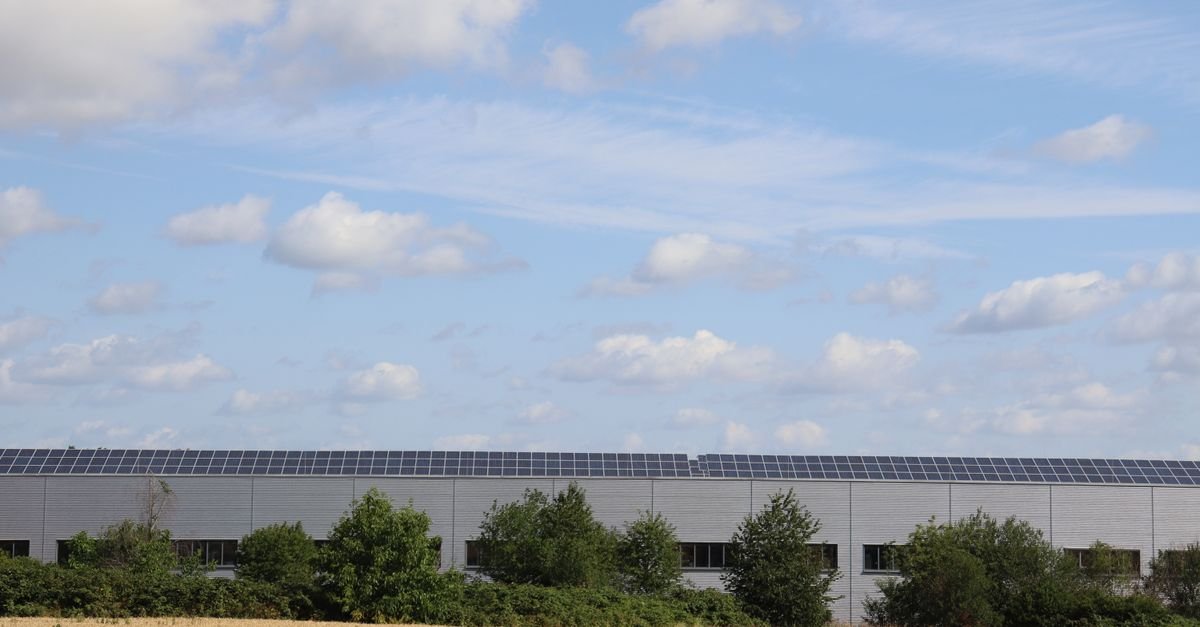
However, real-world field deployment introduces a new complication: transient thermal effects from moving clouds. As cloud cover changes, dynamic shadows and variable solar irradiance create temporal thermal disturbances that confound the detection algorithm. Unlike fixed reflective sources, these moving disturbances cannot be eliminated through static baseline subtraction.
The research team is now extending their methodology to handle dynamic cloud-induced thermal variations. Advanced approaches under investigation include temporal filtering, cloud motion tracking, and adaptive algorithms that distinguish between persistent hot zones caused by electrical faults and transient temperature fluctuations from atmospheric conditions.
Successful implementation of this enhanced detection technology could significantly improve solar array maintenance efficiency, enabling faster identification and repair of bypass circuit failures while reducing false diagnostic calls. This is particularly valuable for utility-scale and distributed solar installations where manual inspection is time-consuming and costly.