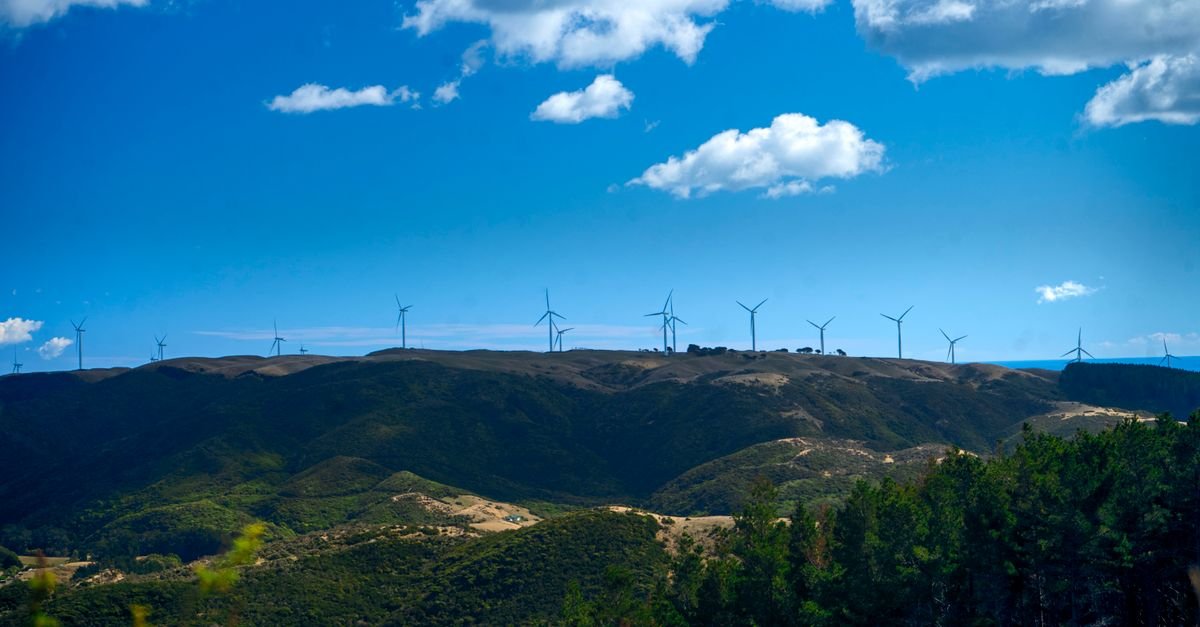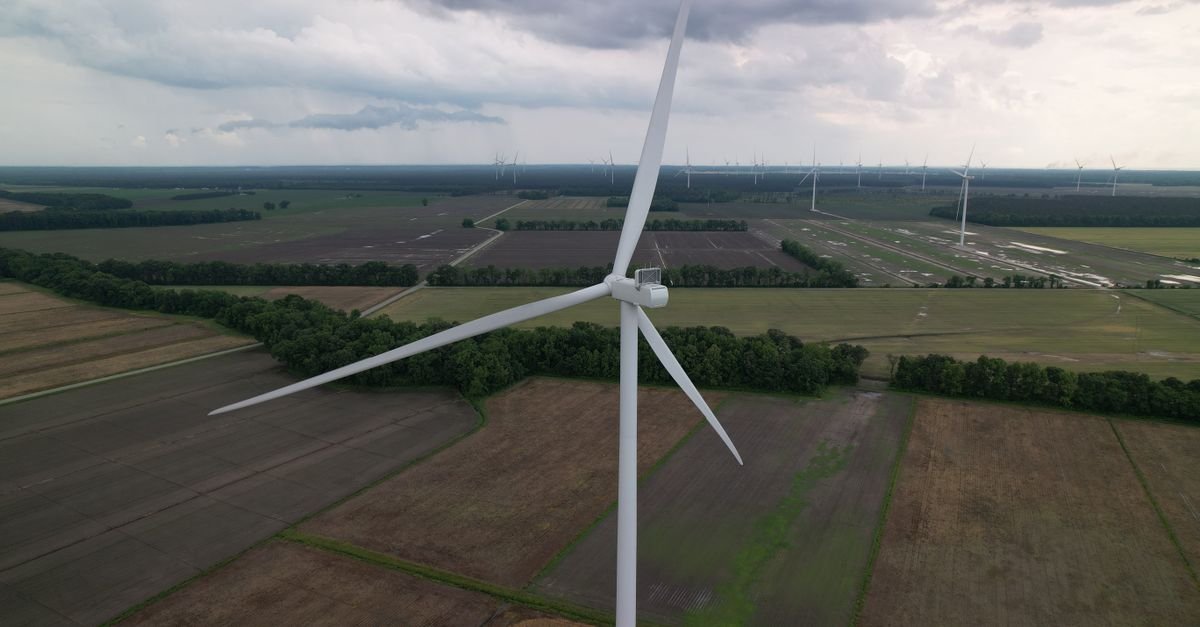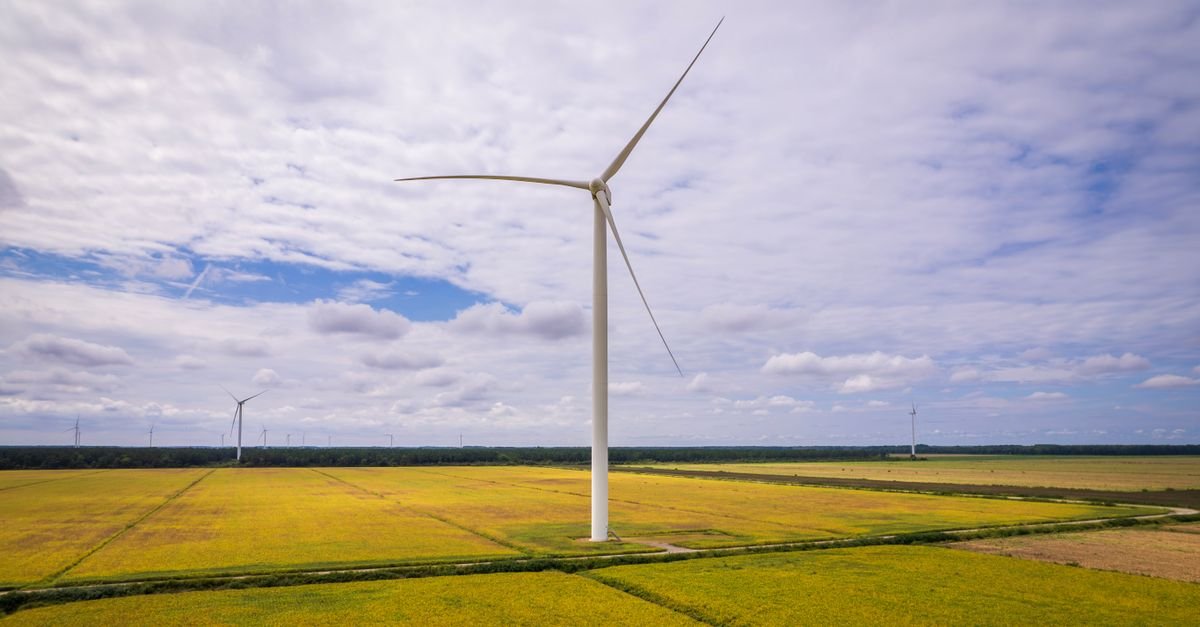
Wind farm performance modeling faces a persistent challenge: predicting how wakes—regions of reduced wind downwind of turbines—interact with complex atmospheric flows, terrain, and weather patterns. The American WAKE experimeNt (AWAKEN) benchmark, coordinated through the International Energy Agency's Wind Technology Collaboration Programme, assembled 16 research teams to rigorously test this capability.
The study compared models ranging from fast, simplified engineering wake tools to computationally intensive large-eddy simulations (LES). Researchers evaluated predictions against actual field measurements collected during a single diurnal cycle at an operating wind farm. The benchmark followed a three-phase approach: initial blind predictions with minimal information, followed by two refinement phases as more observational data became available.
Key findings challenged conventional thinking. Counterintuitively, the most sophisticated models did not consistently outperform simpler alternatives. Instead, a critical gap emerged: most models struggled to capture the complex interplay between low-level jets, turbine wakes, and terrain-accelerated flows. This spatial misalignment limited predictive accuracy across the board.
However, the study also identified a clear path forward. When engineering models incorporated additional field measurements for calibration, mean absolute error dropped significantly—up to 40% in some cases. Higher-fidelity models showed more modest improvements from additional data, suggesting diminishing returns.
The research underscores that accurate characterization of incoming wind conditions—inflow characterization—remains the foundation for all downstream predictions, regardless of model sophistication. Single-day validation also revealed limitations in capturing terrain-flow interactions under diverse atmospheric conditions.
These findings offer practical guidance: wind farm operators and engineers should prioritize detailed site-specific inflow measurement campaigns before simulation work, consider calibrating simpler engineering models when computational resources are limited, and recognize that model selection depends on the specific decision being made, not merely on fidelity level. The AWAKEN benchmark provides a validated framework for continued model improvement and real-world application.