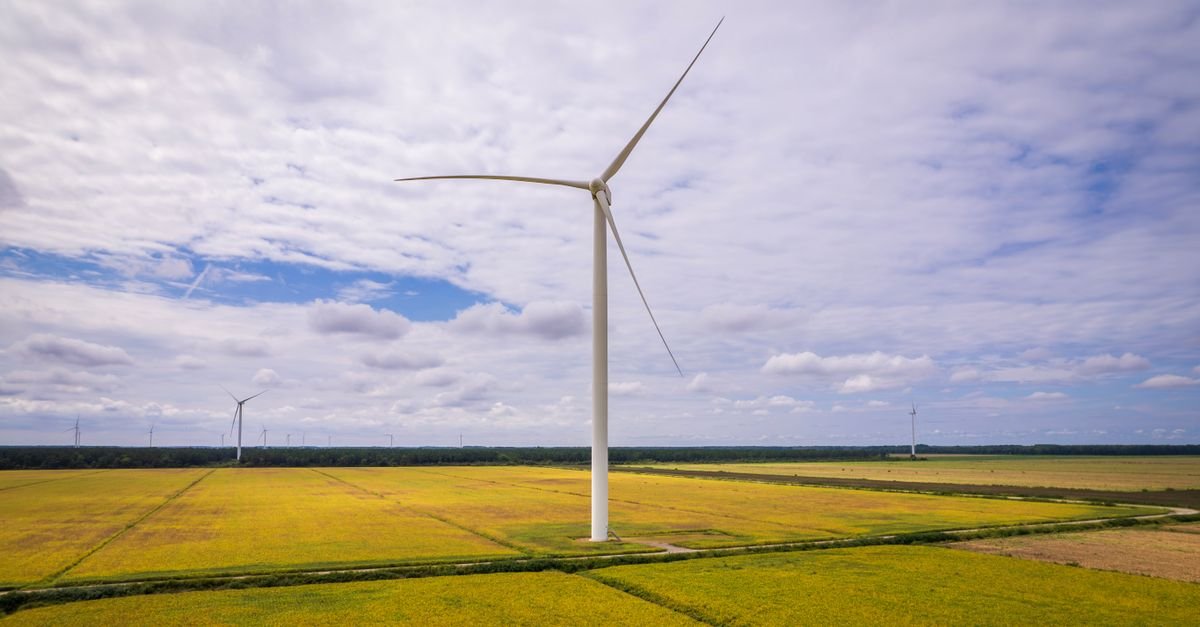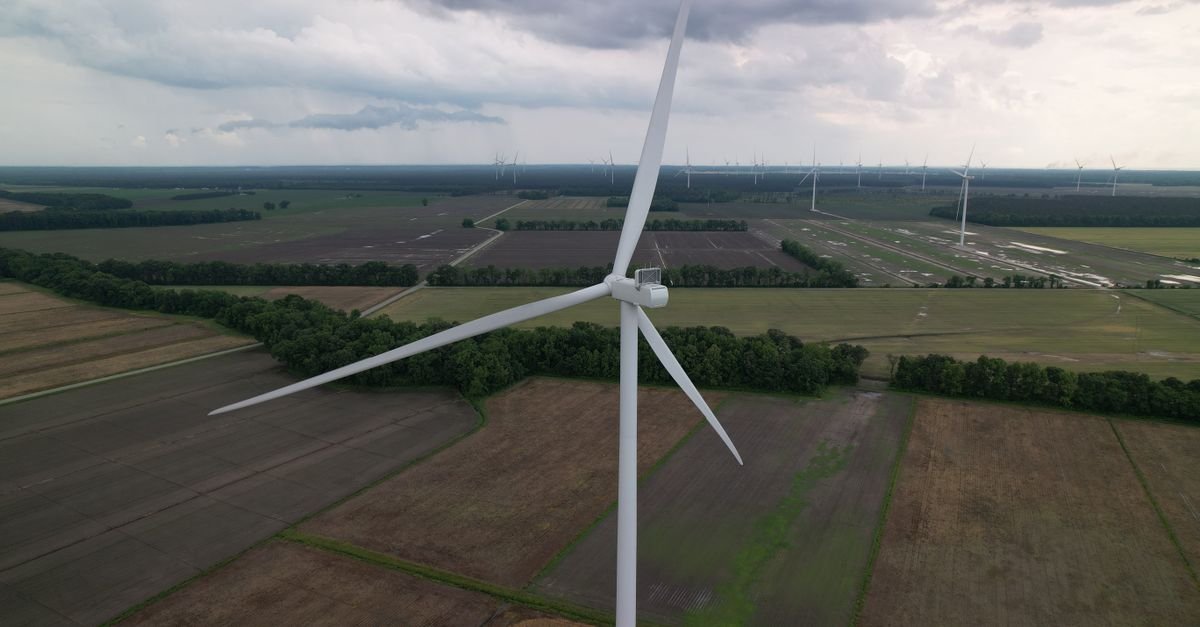
Convection-permitting models (CPMs) represent a significant advancement in atmospheric simulation, offering improved resolution of wind patterns and surface features that directly affect turbine performance. A comprehensive inter-model study examined three CPMs from the CORDEX Flagship Pilot Study to assess their capability in simulating extreme wind speeds across central Europe—a region critical for wind energy development.
The research team employed a novel analytical framework combining spatial categorization with Principal Component Analysis and the Simplified Metastatistical Extreme Value (SMEV) method. This approach enables estimation of rare return levels, such as 50-year wind speeds required for turbine design specifications, from relatively short model simulation periods.
Results demonstrate encouraging consistency among the three models, with the first principal component accounting for 74.2% of total variance. This strong consensus indicates that CPMs reliably capture extreme wind patterns despite some systematic differences in absolute magnitudes. Seasonal variations emerged notably: winter extreme events showed substantially higher inter-model agreement due to dominance of large-scale synoptic weather patterns, while summer extremes displayed greater divergence caused by localized convective phenomena that are inherently difficult to predict consistently.
These findings provide critical baseline information for the wind energy industry regarding CPM strengths and limitations. The study validates ensemble approaches over single-model assessments, as multiple models collectively provide more robust characterization of extreme wind behavior. This has direct implications for wind turbine design standards, operational safety protocols, and climate change adaptation strategies in the renewable energy sector.
The research underscores the value of CPM technology for wind farm planning and long-term risk assessment in evolving climate conditions. Energy professionals can confidently incorporate multi-model CPM ensembles into decision-making frameworks, though recognition of seasonal performance variations remains essential for accurate extreme wind event characterization.