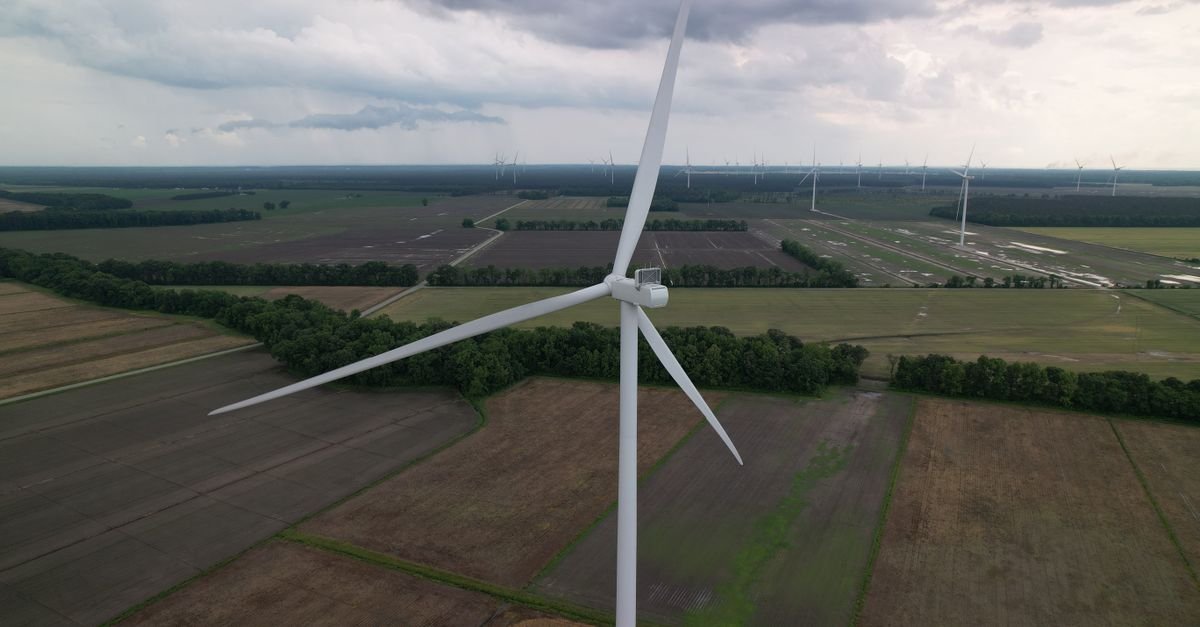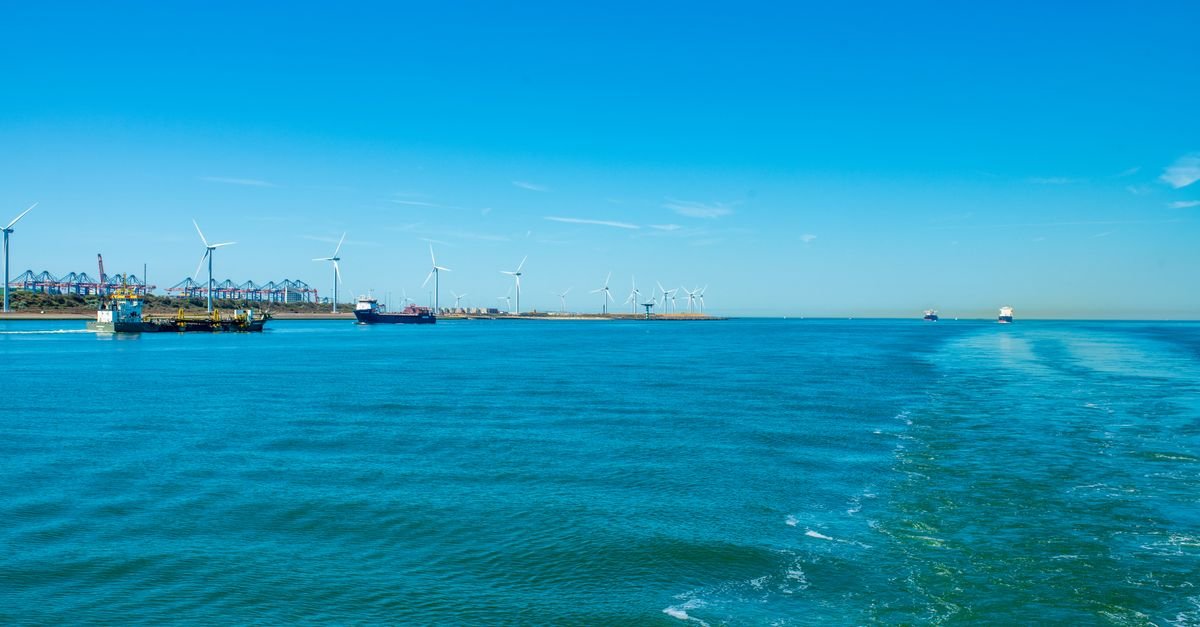
Developing regions increasingly face chronic electricity supply disruptions, creating urgent demand for resilient local solutions. This simulation study evaluates four architecture options for a residential district in Egypt: wind plus battery, PV/wind/battery, PV/battery, and PV/wind alone, all connected to an existing but unreliable grid. The analysis optimizes system design using net present cost as the primary metric, then assesses supply reliability, emissions, and renewable energy penetration across different grid failure scenarios.
Under normal grid conditions, the PV/wind/battery/grid hybrid achieved the lowest lifecycle cost of $481,851, with a levelized cost of electricity of $0.071/kWh and an impressive 73.8% renewable energy fraction. Critically, it reduced annual unserved energy to just 0.306 MWh—a 98.5% improvement over relying on the grid alone, though at higher upfront capital. Operational carbon emissions fell 65% despite grid connectivity, since PV and wind supplied most demand during outages when diesel backup would otherwise dominate.
A key finding concerns design durability: when researchers applied baseline system sizes to a severe, prolonged grid-failure scenario without re-optimization, all architectures lost reliability. Re-sizing components to match the harsh conditions recovered much of this lost supply adequacy—between 73% and 97% depending on architecture—but required substantially different battery and generator capacities. This suggests that districts expecting deteriorating grid reliability should plan for periodic system redesign rather than assuming initial designs will remain cost-optimal as outages worsen.
Sensitivity testing showed that 10% fluctuations in key cost parameters did not change the ranking of architectures, confirming the robustness of the PV/wind/battery/grid recommendation. The study underscores that hybrid renewable systems with battery storage offer a pragmatic path for improving energy access in unreliable grids, though planners must distinguish between lowest-cost designs for today's conditions and adaptive strategies for worsening grid stress.