A detailed analysis of a utility-scale agrovoltaic solar facility in Bangladesh demonstrates the technical and economic feasibility of combining agricultural production with grid-connected renewable energy generation. The 6.55 MW facility in Sirajganj integrates 19,200 photovoltaic modules with three commercial inverters, designed using advanced simulation tools to optimize performance across local climatic and grid integration parameters.
The plant is projected to deliver approximately 9,018 megawatt-hours of electricity annually, achieving a performance ratio of 82.8%—a strong indicator of system efficiency after accounting for temperature losses, soiling, and electrical parasitic loads. This output level reflects careful attention to site-specific solar irradiance patterns, temperature variations, and seasonal weather conditions that influence photovoltaic generation in the region.
Economic analysis indicates substantial financial viability. The levelized cost of energy reaches $0.043 per kilowatt-hour, with a simple payback period of roughly 10 years—metrics that align with grid parity thresholds in developing energy markets. Over the facility's operational lifetime, the project avoids approximately 83,100 metric tons of carbon dioxide emissions, representing meaningful contributions to climate mitigation objectives.
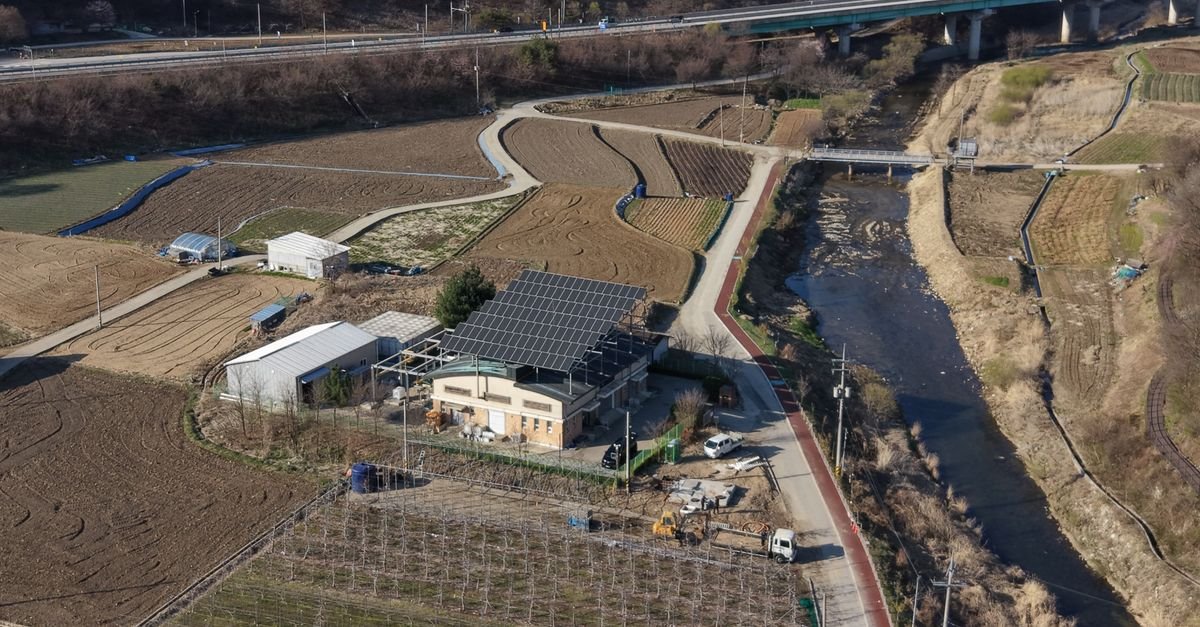
The agrovoltaic design amplifies project value by preserving productive land use. The elevated solar structure permits continued cultivation beneath the panels, enabling an estimated 92 tons of annual vegetable production while maintaining soil fertility and agricultural productivity. This dual-use approach addresses land scarcity concerns common in densely populated regions and strengthens community acceptance of renewable infrastructure.
The study establishes a replicable framework for utility-scale agrovoltaic deployment across South Asia. By documenting electrical design choices, inverter selection, layout optimization, and performance metrics within local environmental conditions, the analysis provides practical guidance for developers and utilities pursuing similar projects. The findings suggest that grid-connected solar-agriculture integration represents a technically sound and economically competitive pathway for expanding renewable generation capacity while supporting rural livelihoods.