Urban solar integration under climate change demands careful site-specific analysis, according to a new techno-economic assessment across three Northern European residential districts. Researchers evaluated the feasibility of building-integrated photovoltaic (BIPV) and photovoltaic-thermal (PVT) systems in Borlänge (Sweden), Riga (Latvia), and Amsterdam (Netherlands) for current conditions and projected climates in 2050 and 2080.
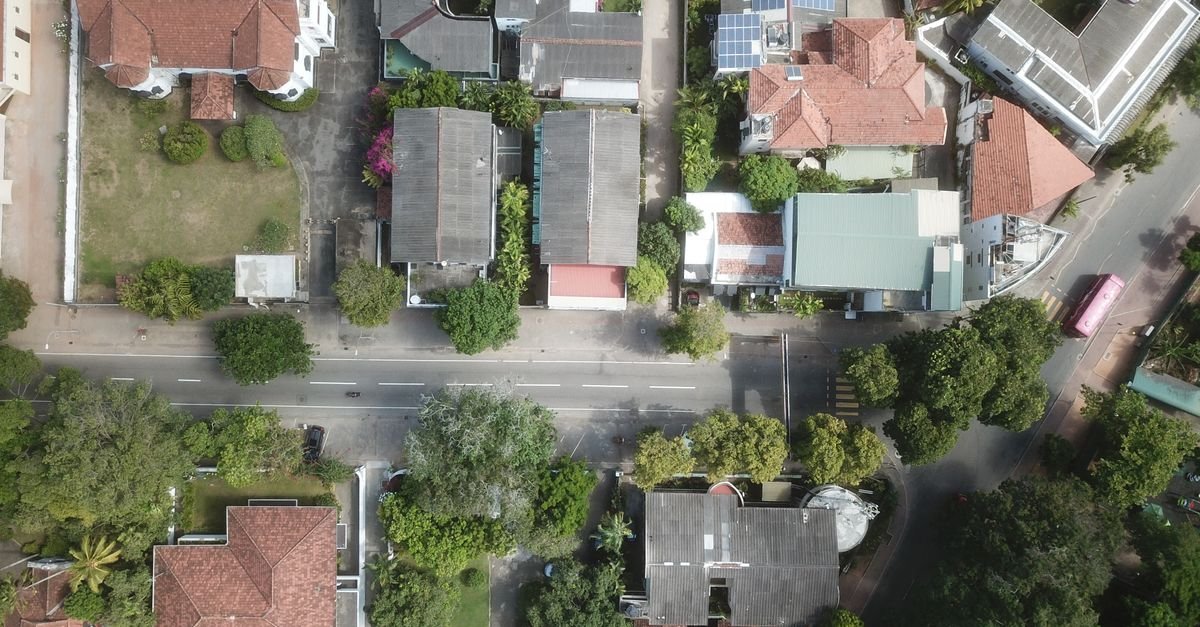
Using energy modeling software and climate projections, the study found that solar potential and heating demand will shift materially over time, but not uniformly across regions. Amsterdam, constrained by dense urban morphology and extensive building shadows, saw PV coverage remain below 30% regardless of climate scenario. In contrast, Riga and Borlänge demonstrated surplus potential, with solar generation exceeding 170–270% of district electricity demand under certain conditions.
A critical finding concerns irradiance-threshold optimization. In dense urban areas like Amsterdam, lower irradiance thresholds (0–200 kWh/m²·yr) yield better economics despite modest yields. Conversely, less densely built Riga and Borlänge benefit from higher thresholds (600–800 kWh/m²·yr), focusing installation on high-quality solar facings. This suggests that blanket solar-everywhere policies may waste capital in shadow-prone districts.
PVT technology—which captures both electricity and heat—showed mixed results. Its economics depend heavily on local heating infrastructure. Where buildings have independent heating systems, PVT captures meaningful value. However, in districts served by mature district-heating networks already decarbonized, PVT's thermal output offers limited benefit, making BIPV-only strategies more cost-effective.
Future solar cost reductions, modeled through technology-learning curves, improve absolute project economics but do not fundamentally alter ranking between threshold strategies. This suggests that investment decisions made today should account for local urban geometry and heating infrastructure rather than betting on dramatic future cost declines to rescue poor site choices.
The research underscores that effective urban solar deployment requires integrated assessment of climate, building morphology, energy infrastructure, and technology economics—critical guidance for European municipalities targeting net-zero by 2050.