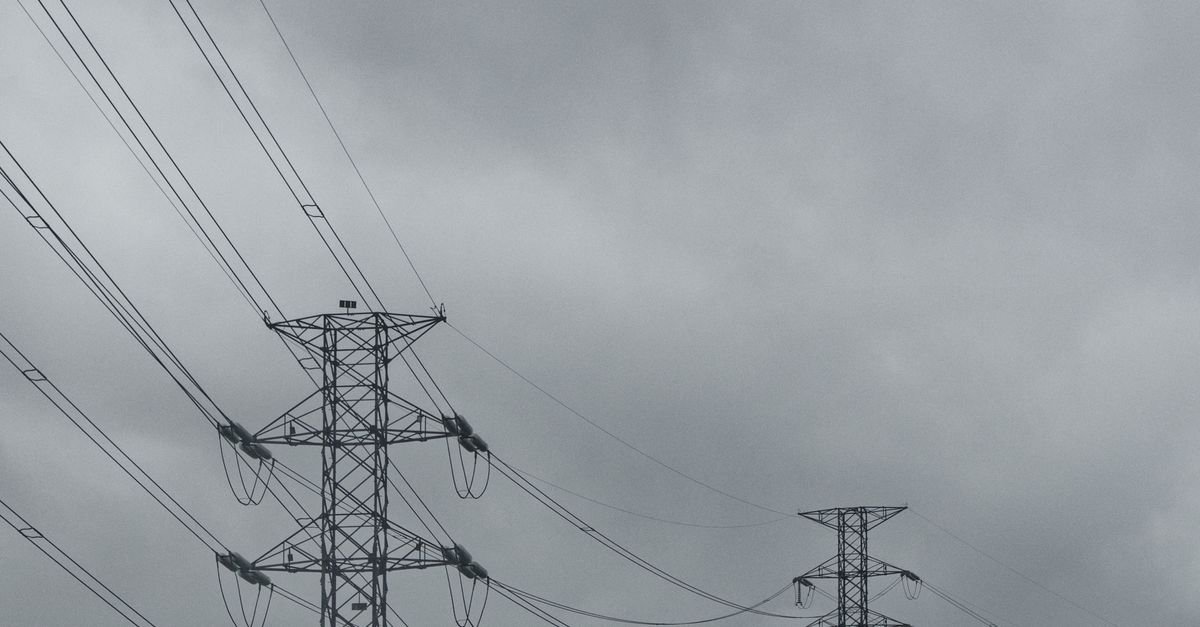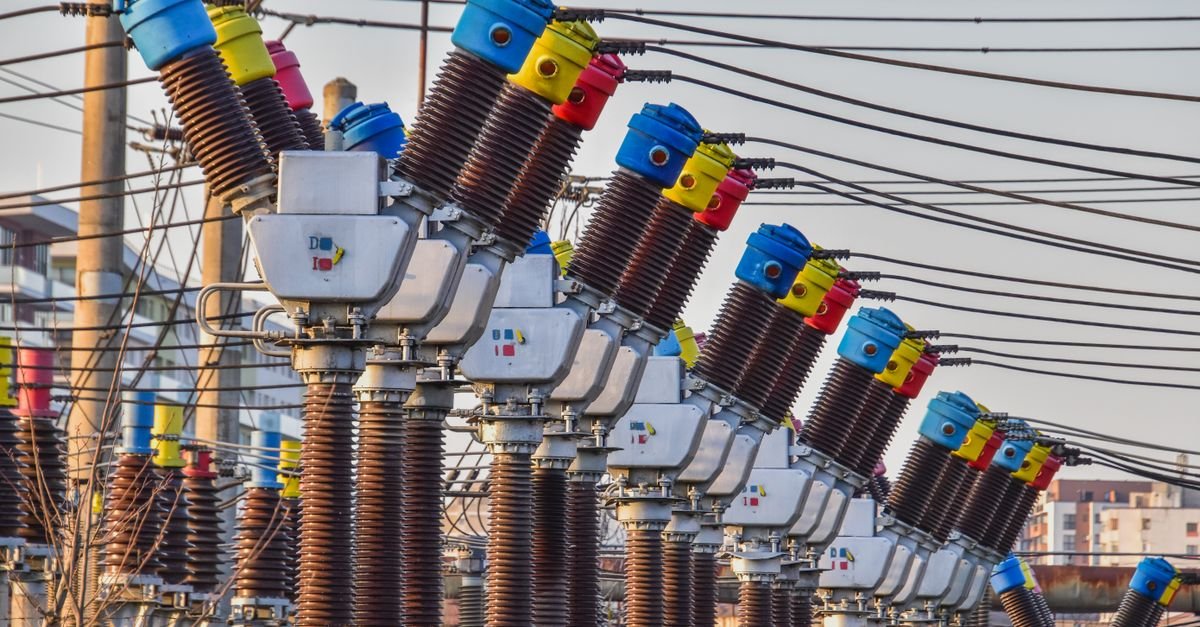
As utilities worldwide integrate higher proportions of renewable energy, traditional AC grids face new stability challenges, particularly in weak grid conditions at renewable generation sending points. A key problem emerges when high-capacity HVDC systems connect remote wind and solar farms to load centers: maintaining acceptable voltage levels becomes difficult due to insufficient short-circuit strength in the AC network.
Researchers have now proposed a coordinated control strategy specifically designed for hybrid cascaded HVDC systems to address these voltage stability issues. The approach works by coordinating voltage regulation between sending and receiving ends of the transmission link, leveraging the DC current dead band to optimize system response.
The methodology begins by identifying the critical reactive power resources available within the hybrid system, then quantitatively assesses the voltage support capabilities of both Line Commutated Converters (LCC) and Modular Multilevel Converters (MMC)—the two primary converter technologies used in modern HVDC systems. Operating constraints and device safety limits for each converter type are carefully mapped to ensure any control action remains feasible and safe.
The resulting strategy employs differentiated adaptive control at the LCC grid connection point, adjusting DC electrical quantities to optimize transient voltage response. A key advantage of this approach is that it achieves voltage optimization without requiring real-time communication between the sending and receiving terminals, which can introduce latency and reliability concerns in practice.
Validation on real-time digital simulation platforms demonstrated that the proposed strategy effectively enhances system voltage stability under various operating conditions. This work is particularly relevant as hybrid cascaded HVDC systems increasingly become the preferred architecture for connecting large renewable energy bases to distant load centers. The coordination of multiple voltage regulation resources through the DC current dead band represents a practical advancement in grid stability management for high-renewable penetration scenarios.