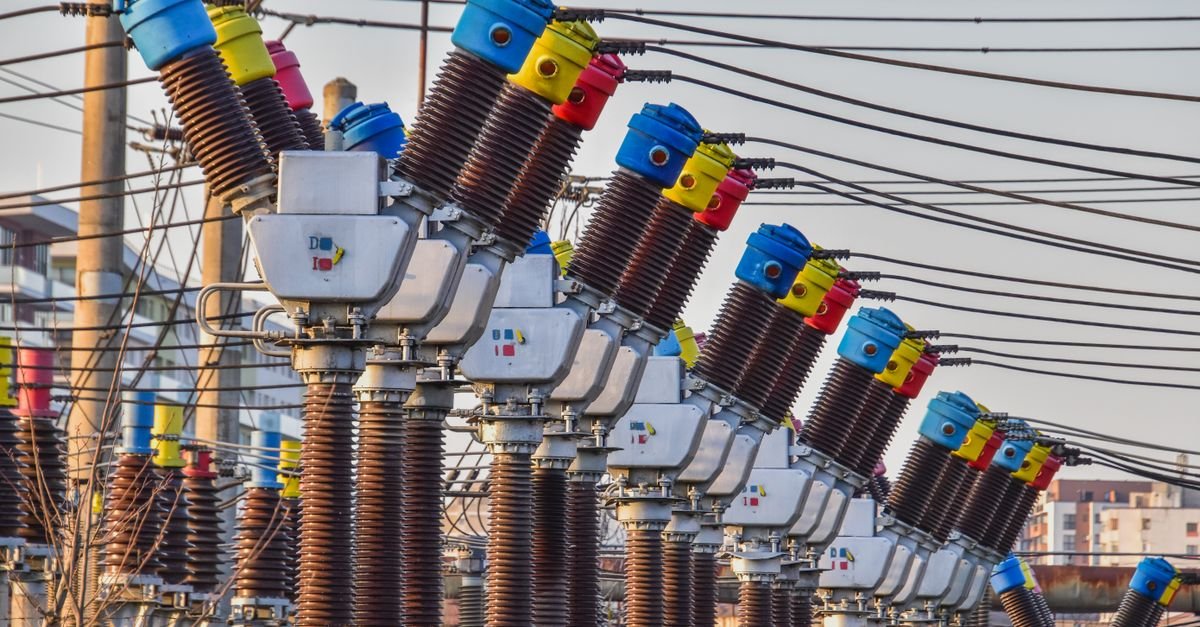
ERCOT, the regional transmission operator serving approximately 90% of Texas's population, achieved a historic peak load milestone of 91.1 gigawatts on July 22, 2026. This record demand reflects the cumulative pressures on Texas's electric system from sustained population growth, expanding industrial and data center loads, and intensifying summer heat requiring massive air conditioning demand.
The new record surpasses previous highs and arrives amid an extended heat wave gripping the South-Central United States. Peak demand typically occurs during late afternoon and early evening hours when solar generation declines while cooling loads remain elevated. This demand profile creates a critical reliability window that tests the adequacy of generation, transmission, and demand flexibility resources.
ERCOT's ability to manage the record demand without service interruptions reflects a combination of factors: deployed renewable capacity, thermal generation availability, and demand response programs that incentivize large customers to reduce consumption during critical periods. However, the relentless growth trajectory raises concerns about future adequacy. Texas has experienced substantial wind and solar additions in recent years, but peak demands are outpacing renewable development, creating a growing reliance on natural gas generation during peak hours.
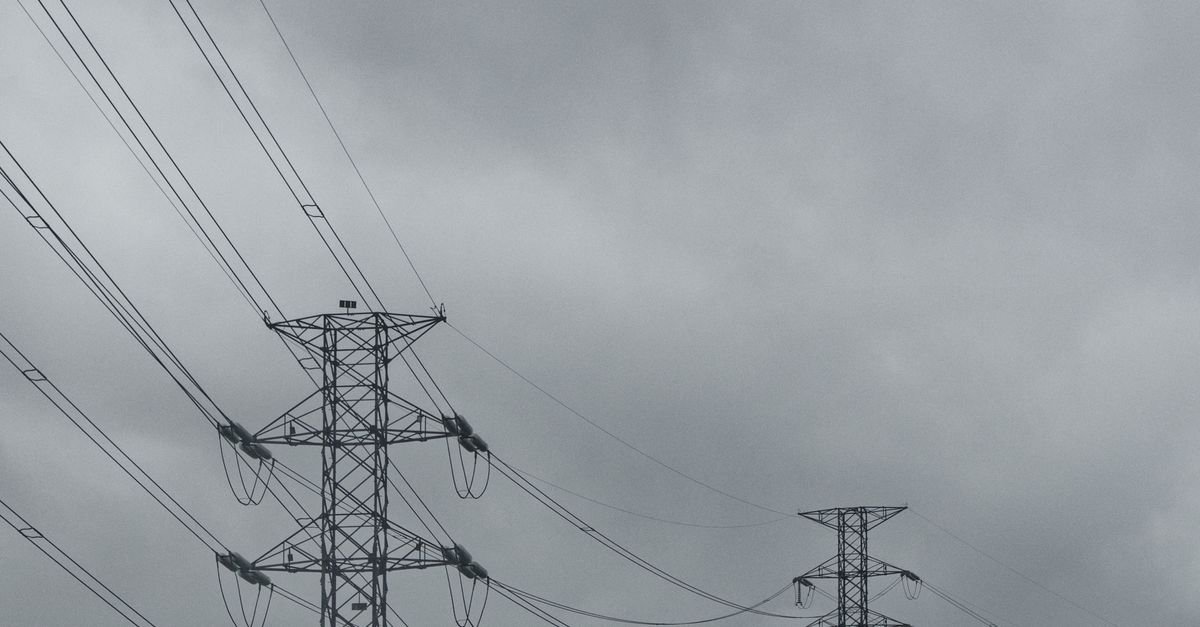
The record also highlights transmission congestion challenges. ERCOT's western zone, fed by Panhandle wind resources, frequently experiences constraints when demand concentrates in population centers like Dallas-Fort Worth and Houston. Network upgrades, including high-voltage transmission projects from renewable-rich areas to load centers, remain critical bottlenecks in grid modernization.
Looking ahead, ERCOT faces mounting pressure to secure additional firm capacity, accelerate battery storage deployment to bridge renewable variability, and enhance demand-side flexibility through smart appliances and industrial load management. Regulatory certainty and market incentives for generation and storage investment will determine whether Texas can sustain reliable service while meeting decarbonization objectives.