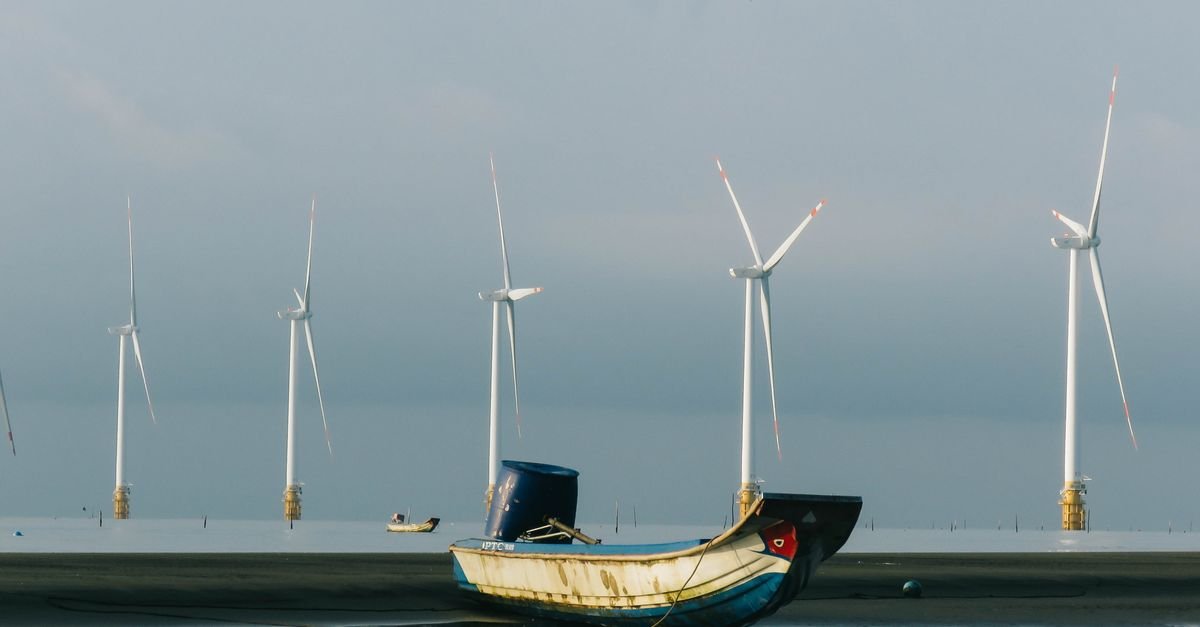
Deep-Sea Offshore Wind Integration Reshapes Marine Energy Systems
⚡ AI Executive Summary
Researchers have reviewed the state of power generation and utilization in deep-sea offshore wind installations integrated within broader energy systems. The analysis examines how floating turbines, subsea cable networks, and onboard conversion technologies function as part of hybrid energy architectures operating far from shore. The implications for grid operators are significant: deep-water wind farms introduce new challenges in power transmission reliability, dynamic frequency response, and grid synchronization that differ markedly from conventional offshore or onshore installations. These systems require advanced forecasting, energy storage coupling, and control strategies to manage the variability and transmission losses inherent in remote generation. As nations pursue higher capacity factors and utilization of untapped wind resources, understanding the technical and operational trade-offs of deep-sea integration becomes critical to cost-effective deployment and grid stability.
This is a brief summary of reporting originally published by Energy Conversion and Management: X. Read the full article for the complete story:
Read the full story at Energy Conversion and Management: X ↗Related in Solar & Wind