Dual-use solar farms integrate agriculture with clean energy production
⚡ AI Executive Summary
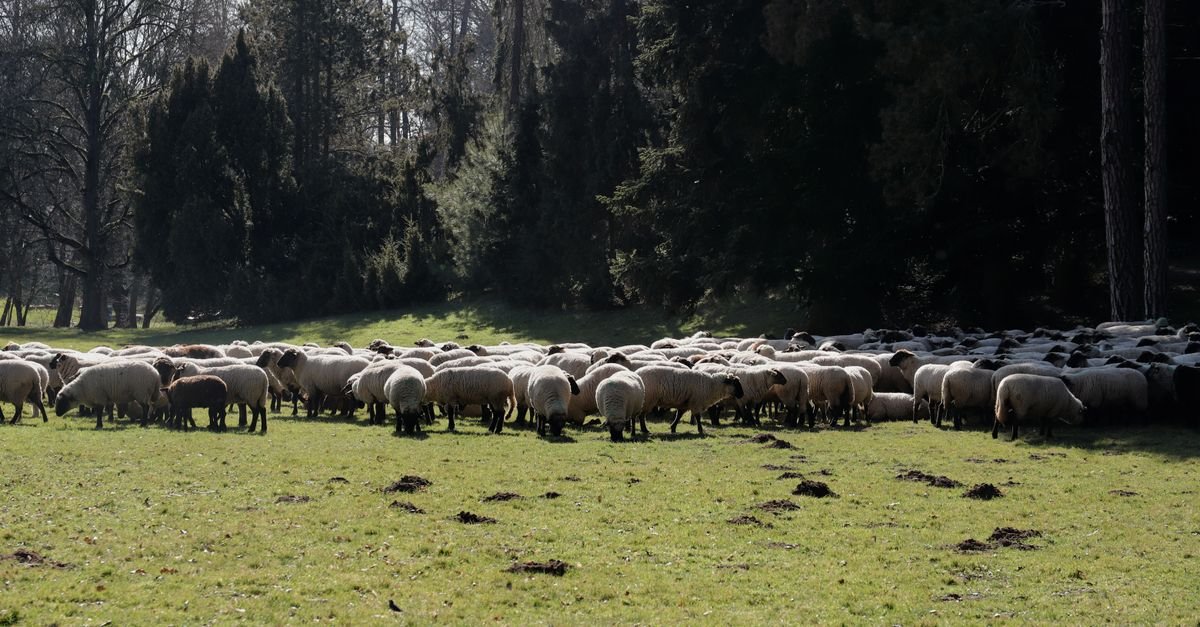
Agrivoltaic systems—solar arrays combined with crop cultivation, livestock grazing, or pollinator habitats—have grown from niche pilot projects to over 670 operational U.S. installations. This expansion reflects farmer interest in supplemental income amid volatile commodity prices and rising input costs, while developers gain operational savings from reduced mowing and maintenance expenses. The trend demonstrates that solar and farming can coexist productively on marginal or fallow land that represents less than 0.1% of prime U.S. agricultural acreage. From a grid and land-use perspective, agrivoltaic projects address a critical challenge facing solar expansion: farmland scarcity and community acceptance. By generating dual revenue streams and environmental benefits, these systems reduce farmer resistance to solar development and unlock underutilized acreage. The integration of livestock grazing or native groundcover also improves soil health and ecosystem services. As extreme weather threatens agricultural productivity, the microclimate effects of solar shade and moisture retention may become as valuable as the electricity output itself, reshaping how we think about land efficiency in the energy transition.
This is a brief summary of reporting originally published by pv magazine USA. Read the full article for the complete story:
Read the full story at pv magazine USA ↗Related in Solar & Wind