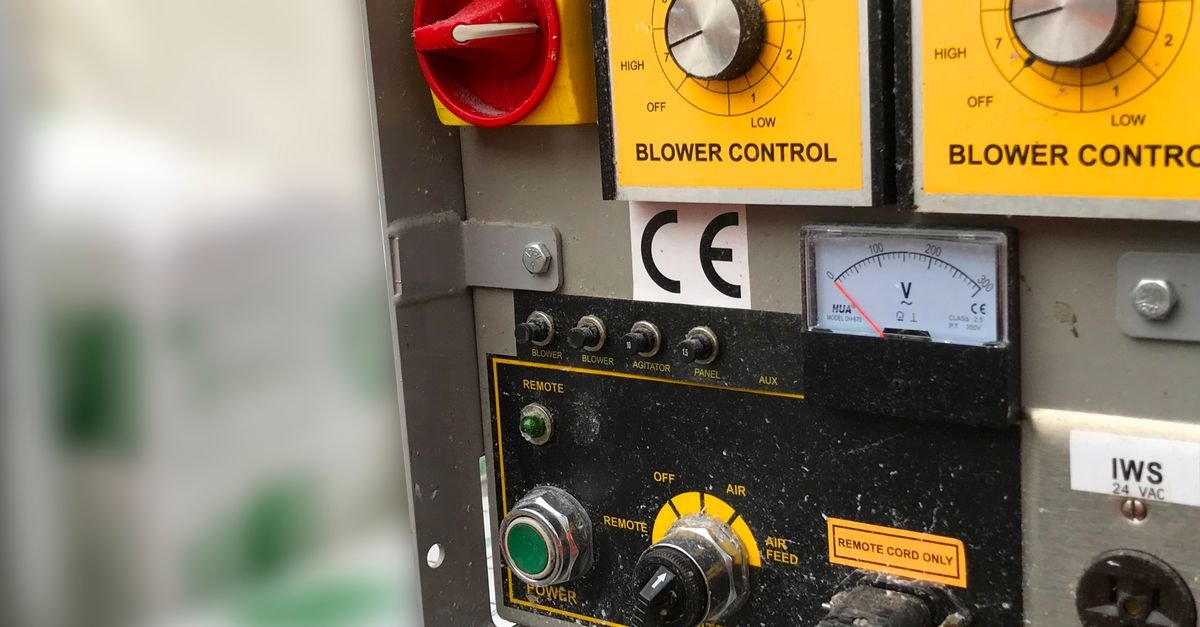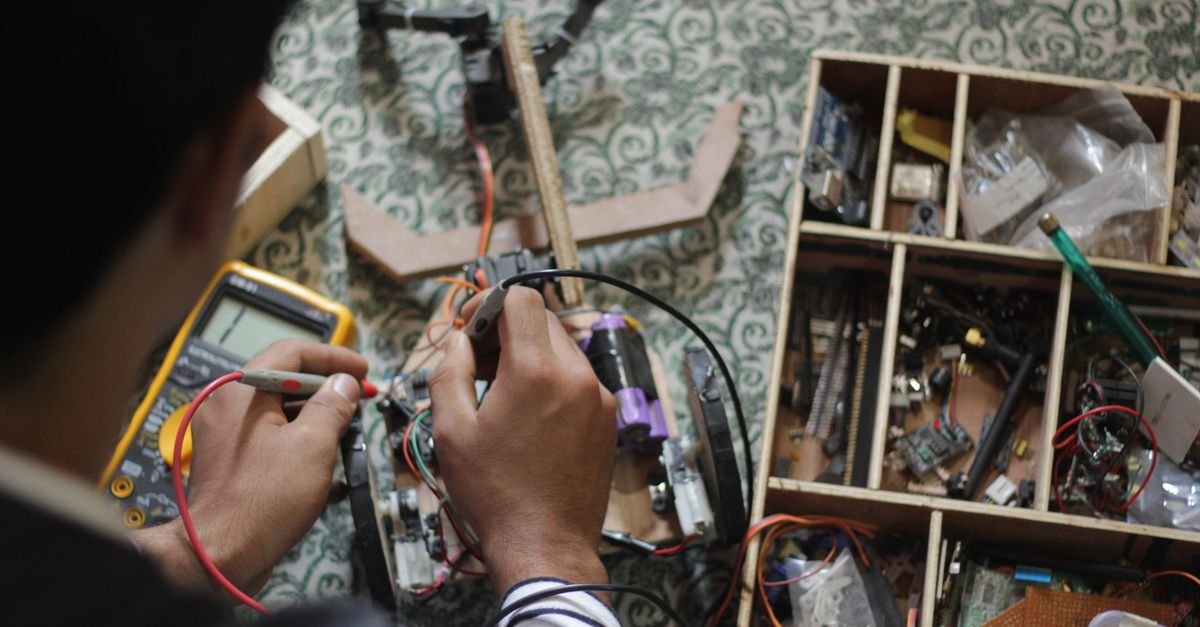
Traditional electrical grid simulation tools are increasingly inadequate for modern power systems characterized by high renewable energy integration and distributed power electronics. Digital twin technology addresses this gap by creating bidirectional, real-time connections between physical grid assets and their virtual counterparts, enabling operators to test scenarios, validate controls, and train personnel without risking operational infrastructure.
Researchers conducted a comprehensive analysis of twelve internationally recognized digital twin laboratories to establish baseline capabilities and identify technological patterns. The assessment employed a structured maturity scale focusing on Hardware-in-the-Loop (HIL) and Power Hardware-in-the-Loop (PHIL) testing capabilities—industry-standard approaches for validating power system controls and protection schemes before field deployment.
The findings revealed that most examined laboratories concentrate on smart grid and distribution system applications, operating primarily at intermediate maturity levels. These facilities demonstrate the feasibility of cyber-physical testing environments but also expose gaps in scalability, standardization, and comprehensive grid-wide validation.
Based on this analysis, the researchers propose a conceptual architecture comprising four functional stages designed as a scalable cyber-physical environment. The framework integrates hardware testing benches, real-time simulation platforms, communication networks, and advanced control algorithms within a unified laboratory ecosystem. This approach enables systematic progression from component-level validation through full system demonstrations.
The proposed design emphasizes modularity to accommodate diverse technologies—renewable generators, energy storage systems, microgrids, and grid-forming inverters—while maintaining experimental rigor. By standardizing architecture across facilities, the framework promotes knowledge sharing and accelerates technology maturation cycles.
Implementation of such laboratories supports critical objectives: validating emerging grid technologies before deployment, training engineers on complex distributed systems, and developing standardized testing protocols. For utilities and grid operators, digital twin laboratories reduce commissioning risks and operational uncertainties when deploying innovative solutions across increasingly complex electrical networks.