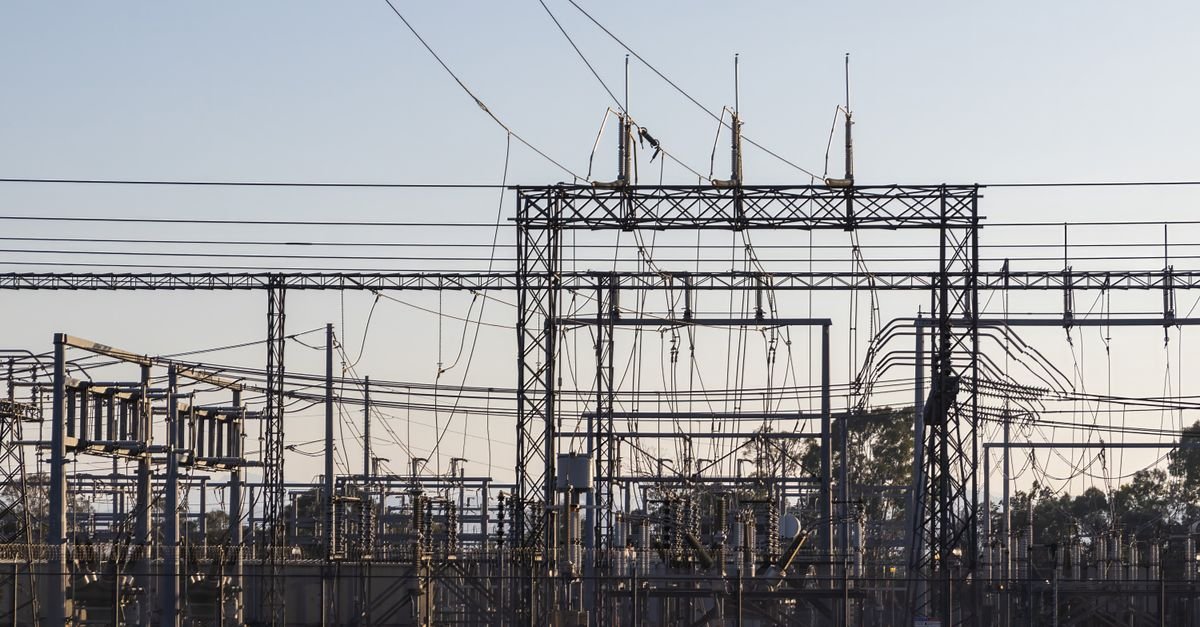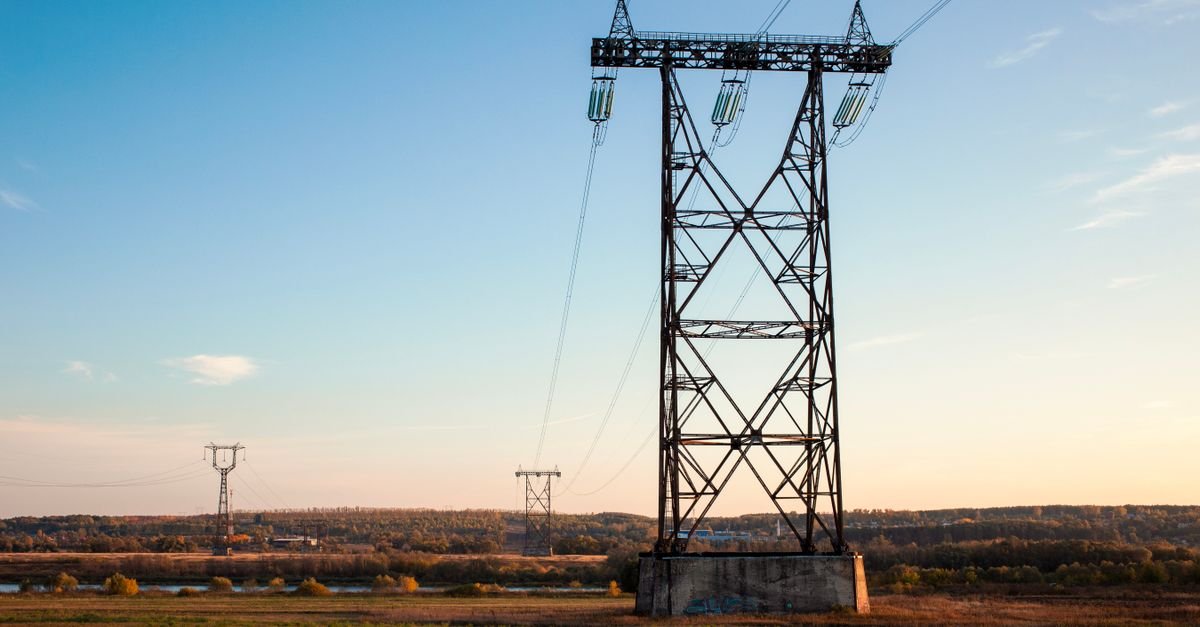
As renewable energy deployment accelerates globally, transmission infrastructure must expand to move low-carbon power from generation sites to load centers. Offshore wind projects exemplify this challenge, requiring substantial grid upgrades that involve complex technical, economic, and operational trade-offs. Yet utilities and grid planners currently operate without standardized frameworks to systematically evaluate these interdependent factors.
A comprehensive technical analysis has now identified seven critical areas shaping transmission expansion design: network integration requirements, HVDC technology selection, capital and operating costs plus space constraints, electricity market design compatibility, future modularity, reliability metrics, and environmental sustainability. By structuring these into a hierarchical decision framework, the work provides operators with clearer guidance on which factors are non-negotiable constraints versus drivers of design choices versus important but flexible considerations.
The framework recognizes that these seven domains interact significantly. For example, HVDC technology choices directly influence cost profiles and reliability attributes, while electricity market design must align with how expanded capacity will be operated and economically dispatched. Network integration constraints depend on both the voltage levels selected and the geographic routing options available.
This systematic approach addresses a real gap in transmission planning practice. Large projects often proceed through fragmented decision-making, with technical, economic, and regulatory considerations handled separately rather than integrated holistically. The resulting designs may be suboptimal or fail to anticipate future operational challenges.
By establishing clear criticality classes and dependency mapping, the framework enables transparent discussion among engineers, operators, regulators, and policymakers about investment rationale and trade-offs. It supports more defensible project justification and helps identify which constraints genuinely drive design versus which offer flexibility for optimization.
As grid modernization accelerates, this structured methodology should accelerate planning cycles and improve investment quality across transmission-dependent energy transitions.