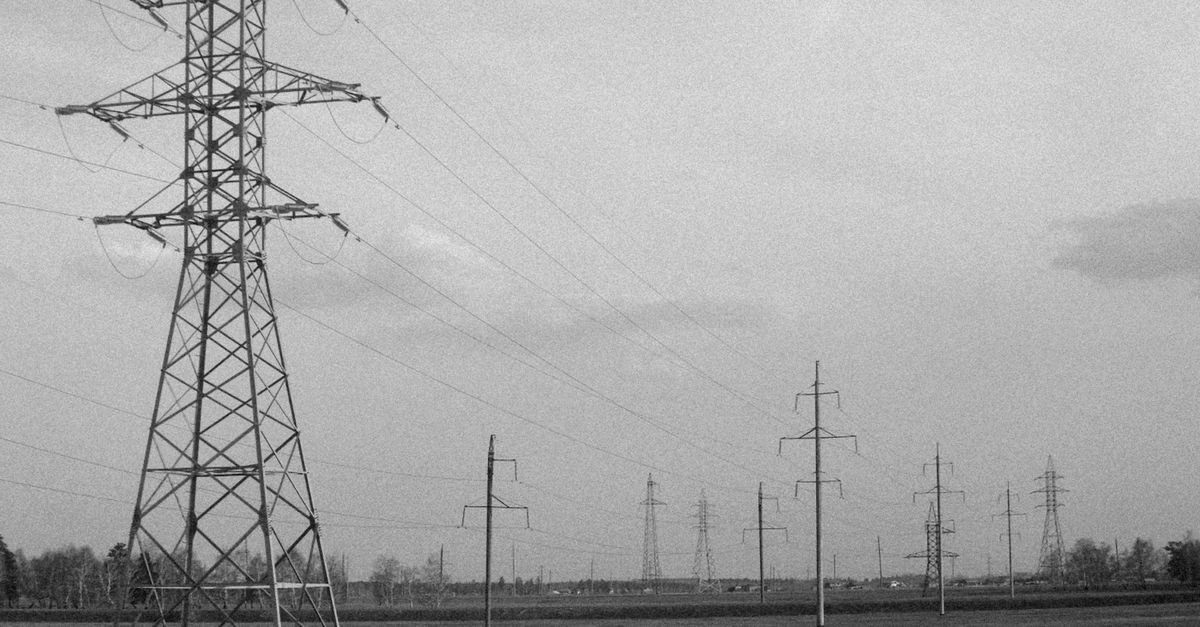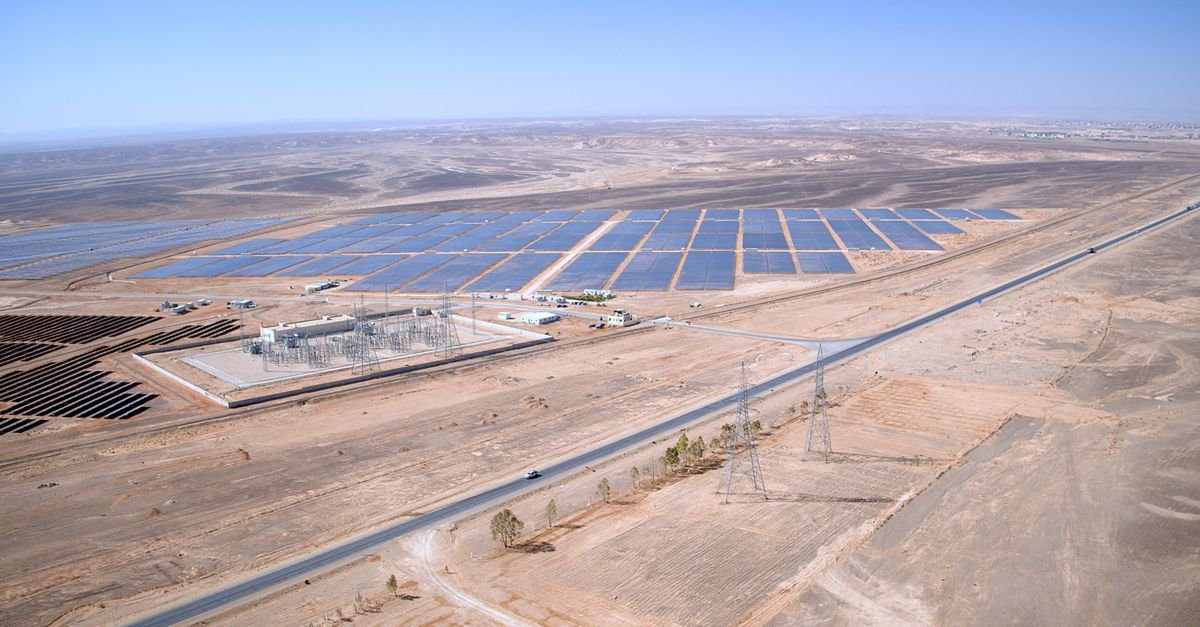
Integrating distributed photovoltaic and wind generation into power distribution networks requires careful optimization across multiple competing objectives. A new research framework addresses the simultaneous challenges of optimal siting, sizing, and power factor correction for renewable distributed generation (DG) resources, incorporating capacitor bank placement as a key variable.
The optimization model minimizes a weighted combination of technical losses and bus voltage deviations across the distribution network. Researchers tested multiple heuristic algorithms—including differential crow search, particle swarm optimization variants, and exploration-exploitation methods—to solve this complex non-linear problem. Differential crow search algorithm proved most effective, delivering superior accuracy and robustness across test cases.
A critical finding emerged regarding capacitor bank deployment. Without reactive power support from capacitors, the network allocated two wind turbines with degraded power factors (0.81 and 0.85) and rejected solar installation entirely. However, when capacitor banks were added, the optimizer allocated two wind turbines at unity power factor alongside a smaller photovoltaic system also operating near acceptable power factor levels.
This result has practical significance for distribution planners. Capacitor banks effectively enable broader renewable penetration by improving power factor performance and voltage stability, reducing the voltage rise and reactive flow problems that often constrain DG hosting capacity. The framework demonstrates that reactive power management and active power sizing are deeply interdependent decisions that cannot be optimized independently.
The methodology supports real-world distribution planning by providing engineers with a systematic approach to evaluate competing technology portfolios. By comparing multiple optimization algorithms, the research also highlights the importance of solver selection for non-convex DG placement problems. Distribution utilities can apply this framework to assess the cost-benefit of capacitor installations against renewable energy integration targets.