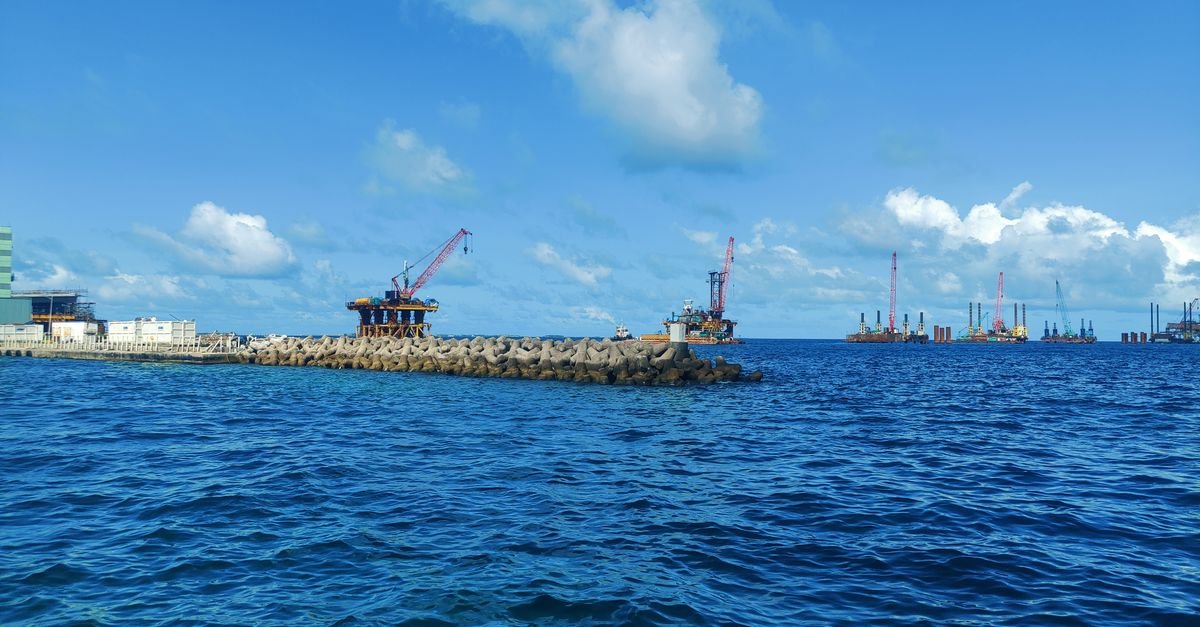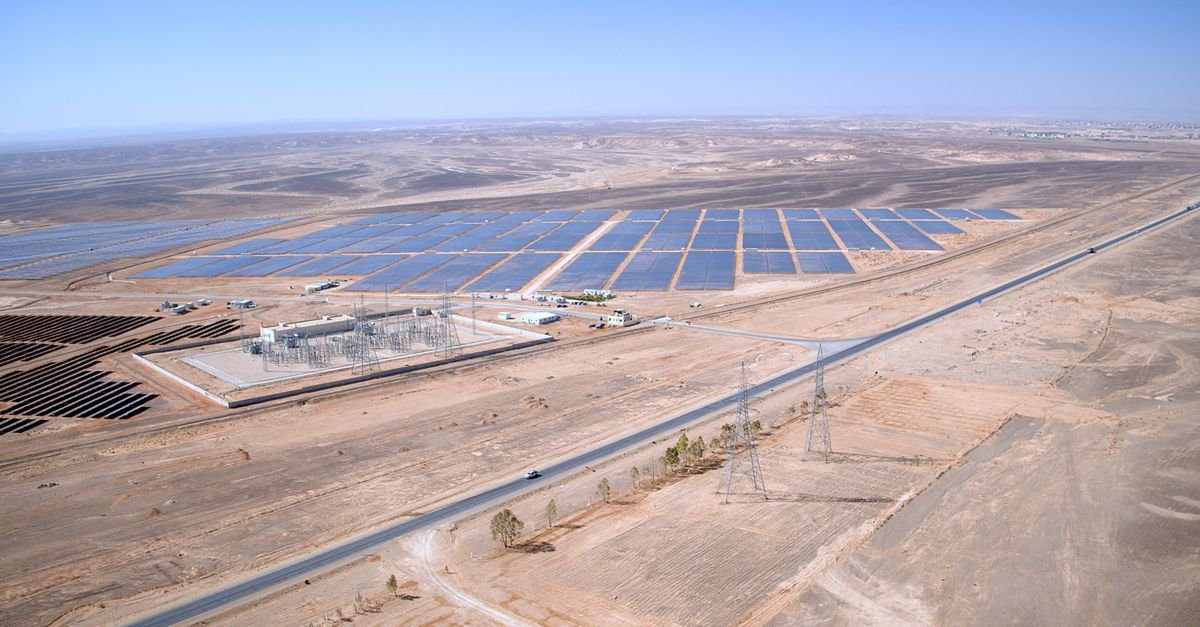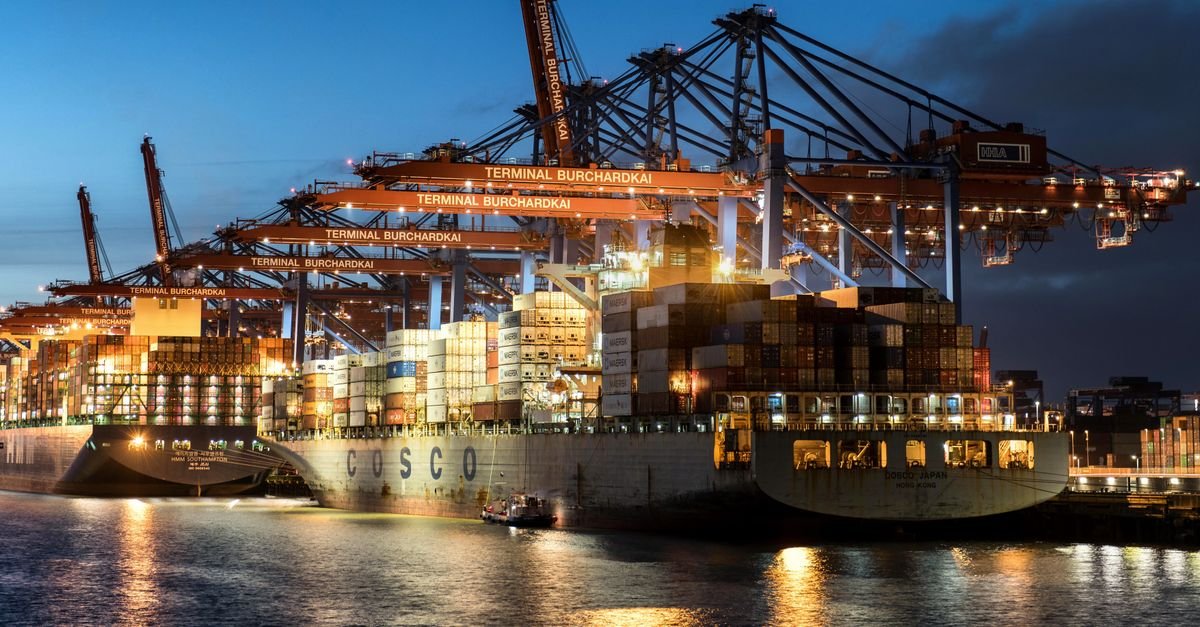
Maritime ports represent a significant but underexplored opportunity for decentralized renewable energy integration. Cold ironing—supplying shore-side electricity to berthed vessels to replace onboard diesel generators—is already mandatory in many ports but has rarely been optimized with distributed solar and battery systems. Researchers at the Port of Ancona developed a comprehensive framework combining renewable generation, energy storage, and smart dispatch logic to create a self-sufficient port energy community.
The study evaluated 12 scenarios across different electrification levels and technology mixes. The optimal full-electrification design combined 30.2 MW of photovoltaic capacity with 18.6 MWh of lithium iron phosphate batteries, achieving an levelized cost of electricity (LCOE) of 0.211 EUR/kWh—competitive with grid power—while generating a 36% financial return over a 2.77-year payback period. A smaller, targeted configuration prioritizing carbon reduction delivered 56% emissions savings with lower upfront investment.
Critically, the research integrated energy governance into technical design. The framework aligns with ISO 50001 energy management and ISO 37101 sustainability standards, providing institutional structure for coordinating multiple port operators, vessel operators, and utilities. Smart energy dispatch logic automatically prioritizes self-consumed solar power, uses batteries to buffer peak demand and grid constraints, and optimizes grid interaction during off-peak periods.
The dock-by-dock clustered approach proved superior to single-point sizing, improving both economics and decarbonization intensity. Individual system components already operate at technology readiness level 8–9, while the integrated platform reached TRL 6–7, indicating near-commercial viability.
These findings carry implications beyond ports. The collaborative energy community governance model and optimization methodology are transferable to industrial clusters, coastal manufacturing zones, and other distributed generation environments where coordinated multi-stakeholder management enables deeper decarbonization than isolated approaches.