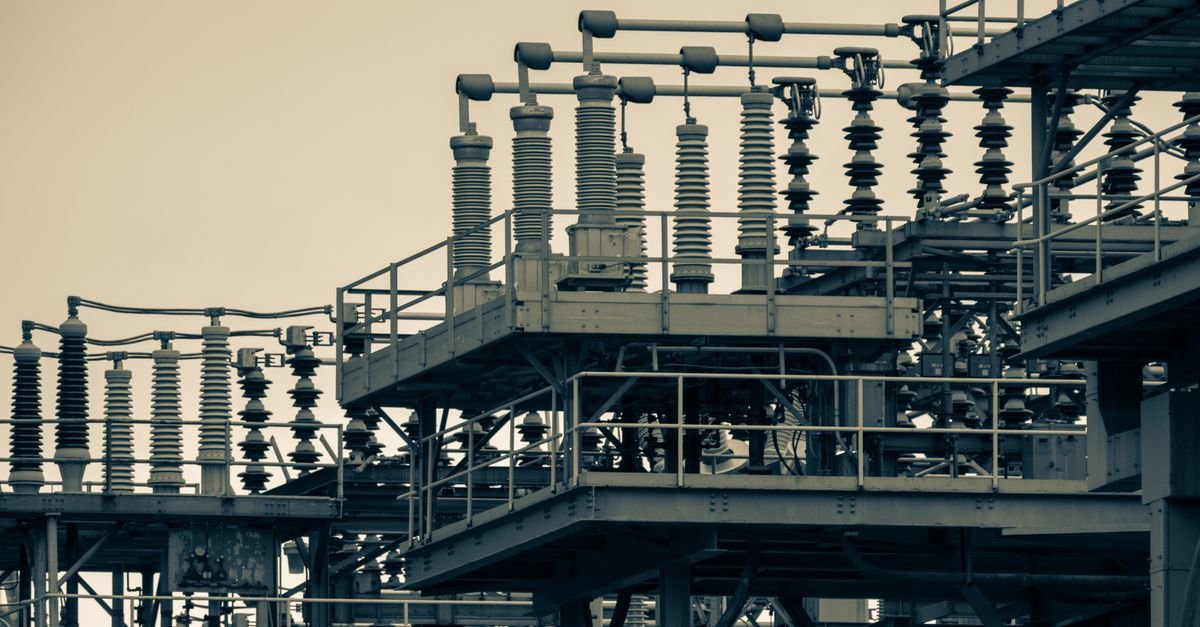
Modern power systems increasingly rely on battery storage to compensate for the volatility and reduced inertia introduced by distributed renewable energy sources. Inverter-based resources like solar panels and wind turbines behave very differently from conventional power plants, creating new challenges for maintaining grid stability and managing stored energy efficiently.
Researchers have now proposed an innovative two-step framework that combines two advanced computational techniques: quantum particle swarm optimization (Q-PSO) and deep reinforcement learning (DRL). The Q-PSO algorithm first generates an optimized initial solution quickly, reducing the computational overhead that would otherwise slow real-time decision-making. Deep reinforcement learning then takes over dynamically, continuously refining the battery storage strategy as grid conditions change moment to moment.
The method is specifically designed to handle the unpredictable nature of microgrids with high renewable penetration. By constraining the reinforcement learning action space using the Q-PSO baseline, the system avoids common training instabilities and the exponential complexity that plagues AI systems managing many variables simultaneously. The framework also explicitly incorporates critical stability constraints—frequency deviation limits and rate-of-change-of-frequency thresholds—ensuring the battery responds appropriately during grid disturbances.
Simulation results demonstrate substantial gains. The hybrid system achieved 52.2% better economic efficiency than Q-PSO alone and 22.7% better than conventional deep Q-learning. Battery charging efficiency improved by nearly 40% in some comparisons, while discharging efficiency gains reached 38%. These improvements matter because they mean more grid-supporting capability per installed megawatt-hour of storage, reducing overall system costs.
The research addresses a genuine gap in microgrid technology. Most existing energy management systems either lack adaptability to real-time uncertainties or require prohibitive computational resources. This hybrid approach delivers practical, implementable intelligence suitable for increasingly complex distribution networks managing distributed generation, storage, and flexible loads simultaneously.