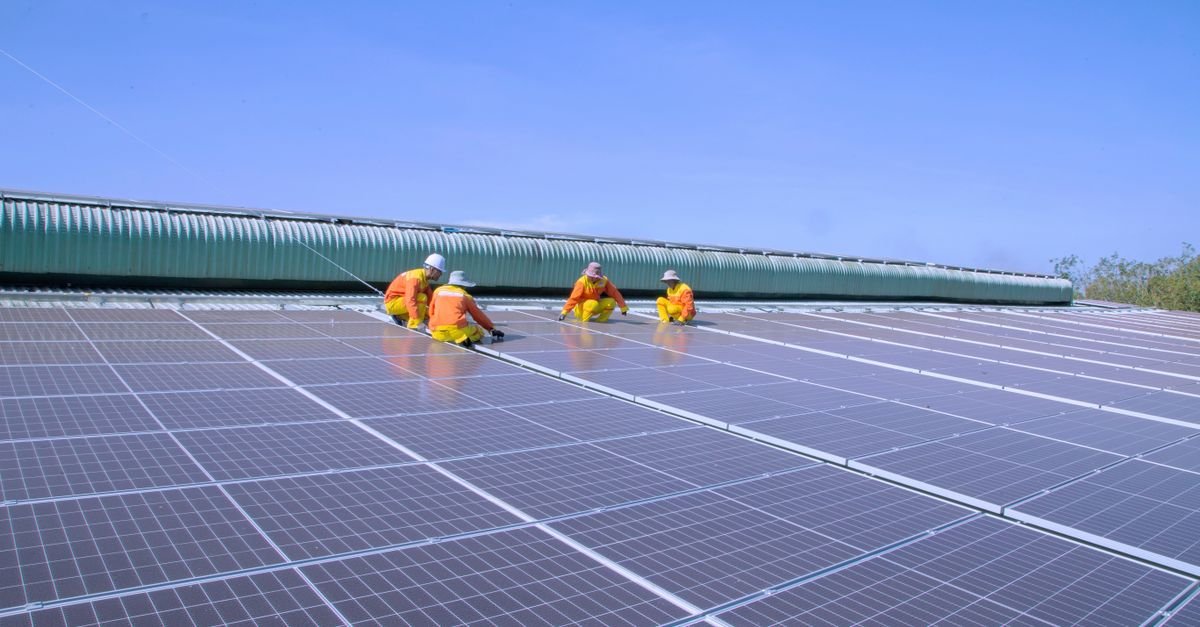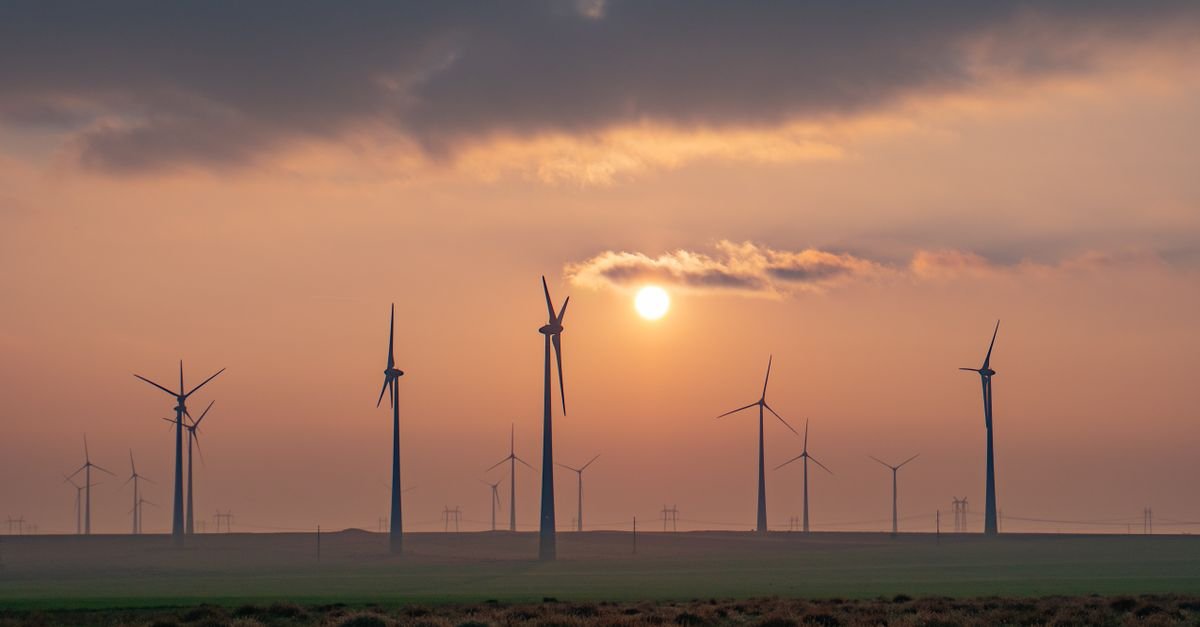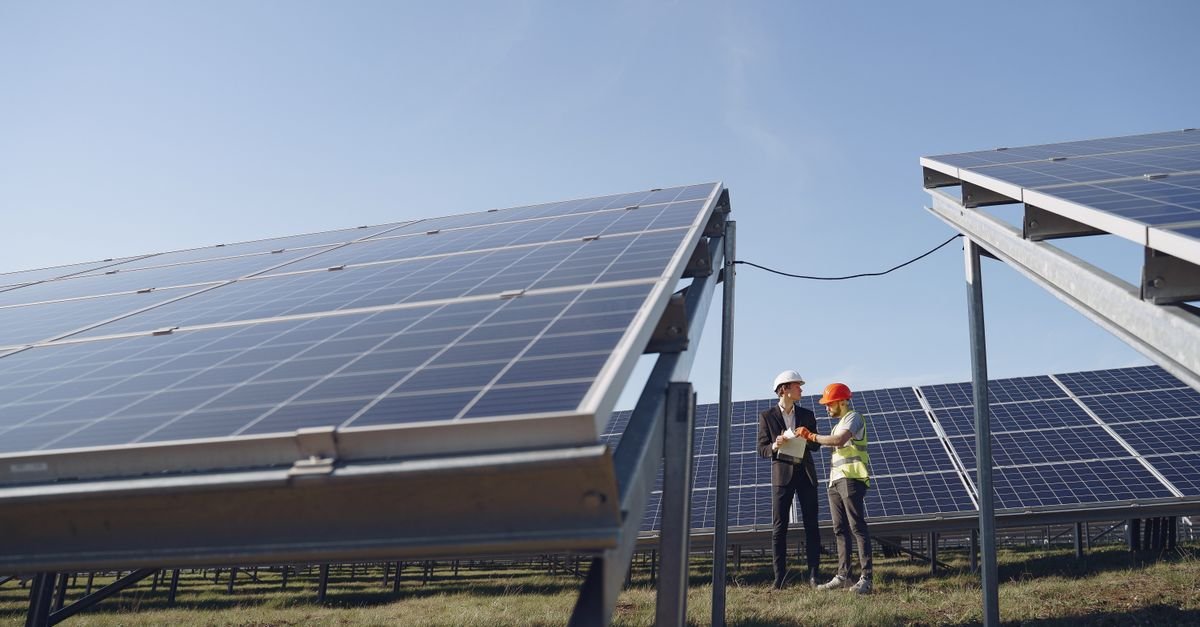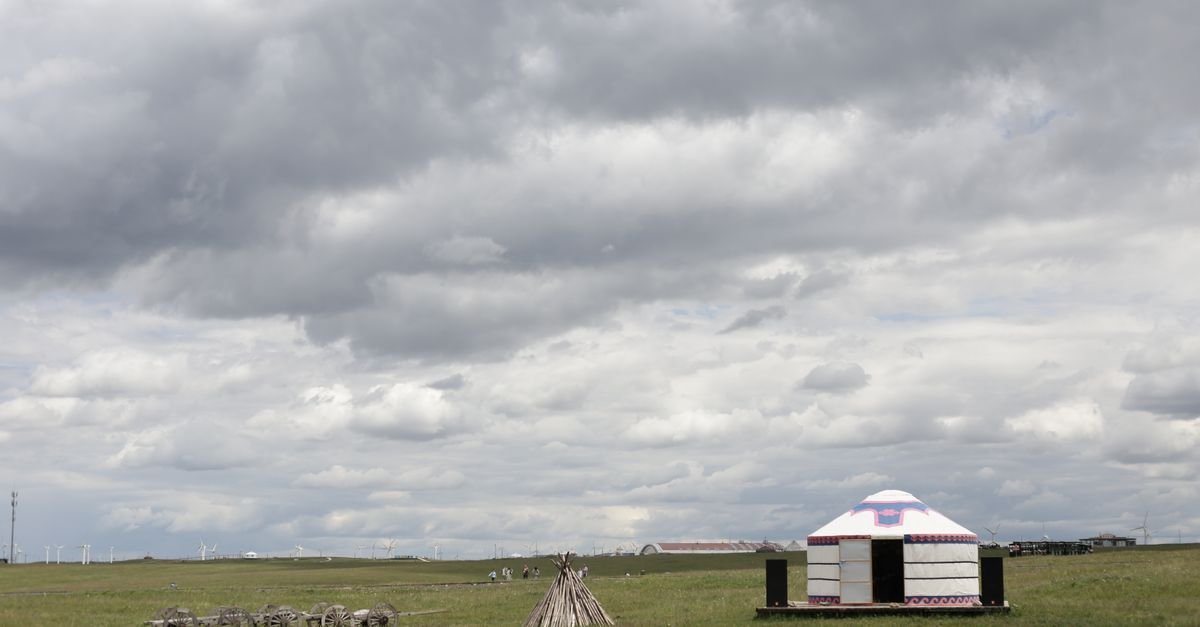
Kazakhstan possesses substantial renewable energy resources aligned with its sustainable development goals and climate commitments to reduce greenhouse gas emissions by 2030. Wind energy emerges as the primary opportunity, with approximately half of the country experiencing average wind speeds of 4–6 meters per second—favorable conditions for utility-scale generation. Solar potential is particularly strong in the southern and central regions, with annual insolation levels between 1,300 and 1,800 kilowatt-hours per square meter, supporting both electricity generation and thermal applications.
Beyond wind and solar, Kazakhstan's diverse geography offers potential from geothermal and hydroelectric sources, providing complementary generation profiles and heating applications. These resources collectively present a pathway to reduce dependence on fossil fuels while supporting the nation's energy security objectives.
The development of renewable infrastructure faces several material obstacles. Grid integration represents a technical challenge, requiring investments in transmission capacity, energy storage, and advanced grid management systems to maintain stability with high renewable penetration. Current infrastructure in remote regions where wind and solar resources concentrate remains underdeveloped, necessitating substantial capital deployment for both generation facilities and supporting systems.
Financial barriers are equally significant. Renewable energy projects require upfront investment that exceeds conventional fossil fuel generation, demanding reliable financing mechanisms, policy certainty, and potentially international development funding. Capacity building and workforce development also require sustained commitment.
Despite these challenges, renewable energy development offers tangible economic benefits. Job creation across manufacturing, installation, and operations sectors can diversify Kazakhstan's economy beyond resource extraction. Enhanced energy security through domestic renewable sources reduces import dependency and price volatility exposure. Environmental improvements including reduced air pollution and water consumption align with broader sustainability objectives.
Success requires integrated policy frameworks addressing grid modernization, investment incentives, and technical standards while building institutional capacity for renewable energy management and regulation.