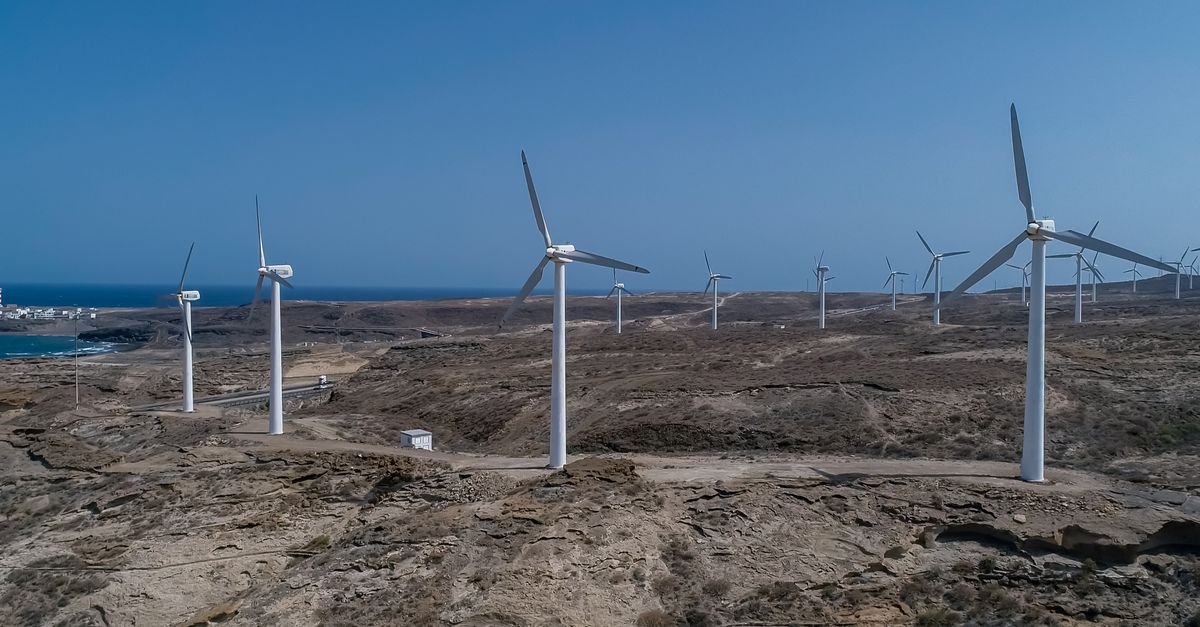
As renewable energy penetration rises across China's grids, system operators face escalating challenges from power fluctuations at interconnection points—a problem particularly acute in regions where electrolytic aluminium facilities serve as load-absorption mechanisms for solar and wind generation.
Researchers have proposed a multi-timescale model predictive control (MSMPC) strategy designed to coordinate three critical resources: electrolytic aluminium loads (EAL), conventional thermal generation units, and battery energy storage systems. The innovation lies in its hierarchical architecture, which simultaneously operates across both minute-level and second-level control intervals, enabling coordinated responses to renewable variability at different frequencies.
The control framework develops a detailed tie-line power fluctuation model specific to grid-connected aluminium systems. Rather than treating each resource independently, the strategy orchestrates their combined response to stabilize power flows across transmission corridors. A hybrid renewable energy forecasting component enhances the controller's predictive accuracy, allowing proactive adjustments before disturbances fully propagate.
Validation occurred on an RT-LAB experimental platform simulating realistic operating conditions. Results confirm the strategy effectively dampens tie-line oscillations under diverse system states, from high wind generation periods to transitions between renewable and thermal dispatch modes.
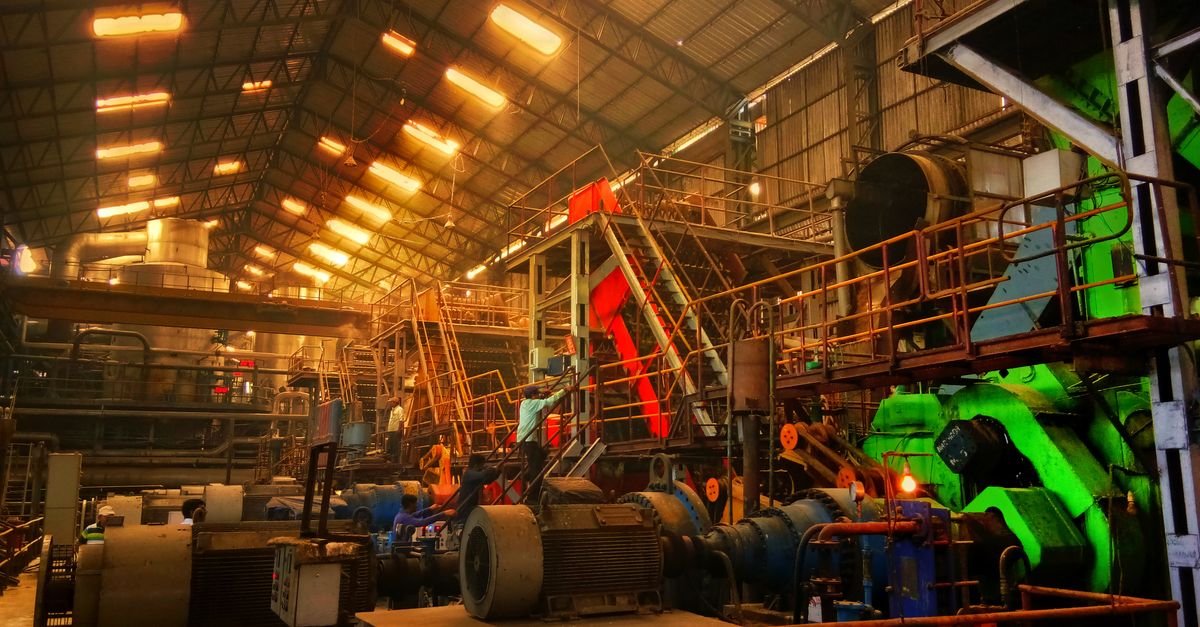
The findings carry significant implications for industrial-grid integration strategies. Electrolytic aluminium operations, inherently flexible due to their thermal mass and process characteristics, can now function as grid assets rather than passive loads. This transforms industrial facilities into distributed grid services while maintaining production efficiency.
The approach suggests a scalable model for other energy-intensive sectors—steel, cement, and chemical production—seeking to balance grid stability with renewable integration. As China advances its carbon neutrality objectives, leveraging industrial flexibility through advanced control represents a pragmatic pathway for accommodating multi-gigawatt renewable capacity without requiring proportional storage expansion or grid reinforcement investments.