The power grid faces a fundamental challenge as converter-based renewable generation replaces conventional synchronous machines: the loss of natural inertia that has historically stabilized frequency during sudden demand spikes or generation losses. While variable-speed wind turbines can theoretically release stored kinetic energy to support grid frequency, current control methods risk creating a dangerous secondary frequency dip as rotors recover, potentially triggering cascading failures.
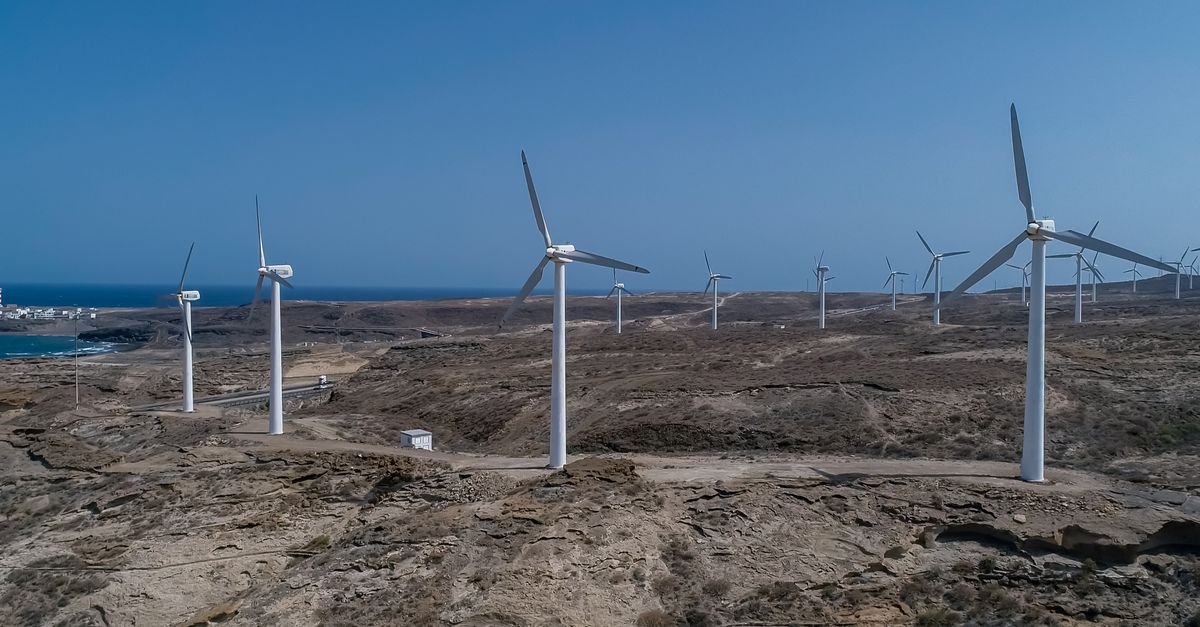
Researchers have developed a frequency security certification-based energy shaping control (FS-ESC) strategy that safely mobilizes wind rotor kinetic energy for primary frequency regulation. The method employs a supervisory system that continuously evaluates grid frequency margins and wind turbine rotor states, dynamically limiting wind support based on available kinetic energy. When wind turbines alone cannot safely recover without risking secondary frequency violations, the system intelligently shifts recovery demands to battery energy-storage systems, which respond instantaneously without mechanical constraints.
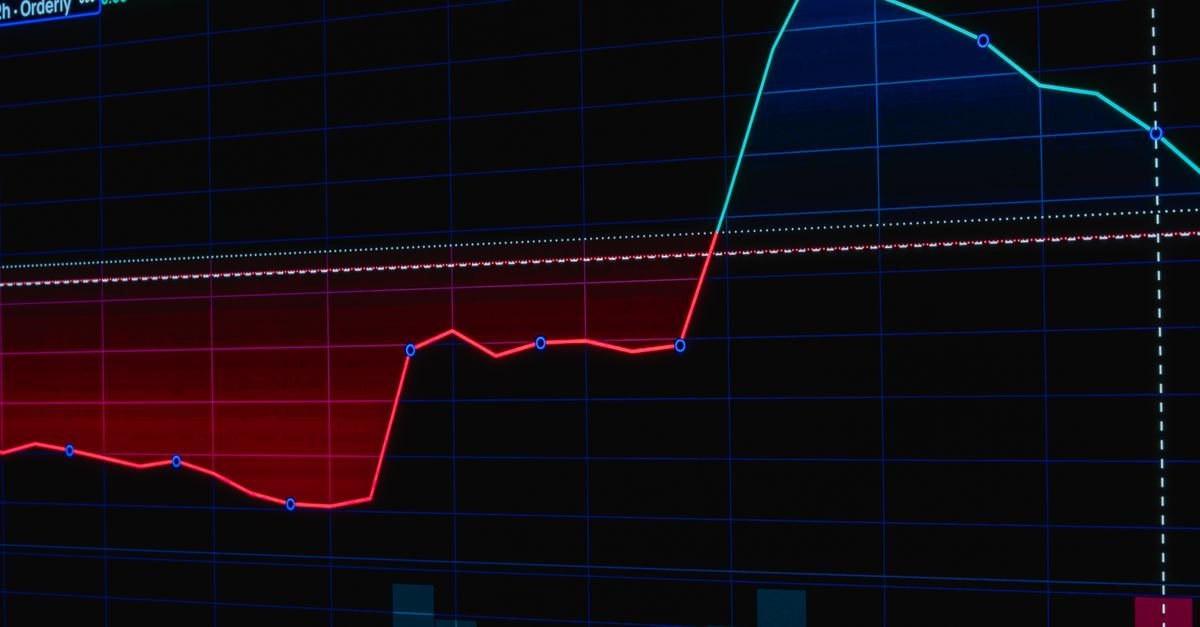
Testing demonstrates substantial improvements. For a 0.15 per-unit load increase, FS-ESC raised the minimum frequency nadir from 49.40 Hz to 49.66 Hz—a critical safety margin—while reducing secondary frequency dip from 0.10 Hz to 0.006 Hz compared to conventional fixed wind droop control. More importantly, when accounting for real-world uncertainties in wind state, disturbance magnitude, and synchronous inertia, Monte Carlo simulations show the violation rate dropped from 40% to just 5%.
This approach addresses a pressing grid reliability need as wind penetration increases globally. By combining wind turbine inertial response with energy storage in an intelligent, frequency-aware framework, utilities can maintain grid stability without oversizing expensive battery installations. The strategy demonstrates how emerging converter-based resources can collectively replicate the stabilizing behavior of traditional synchronous generators, enabling higher renewable penetration without sacrificing power system security.