Nanocoating Boosts Solar Output 16% Over Dust Accumulation
⚡ AI Executive Summary
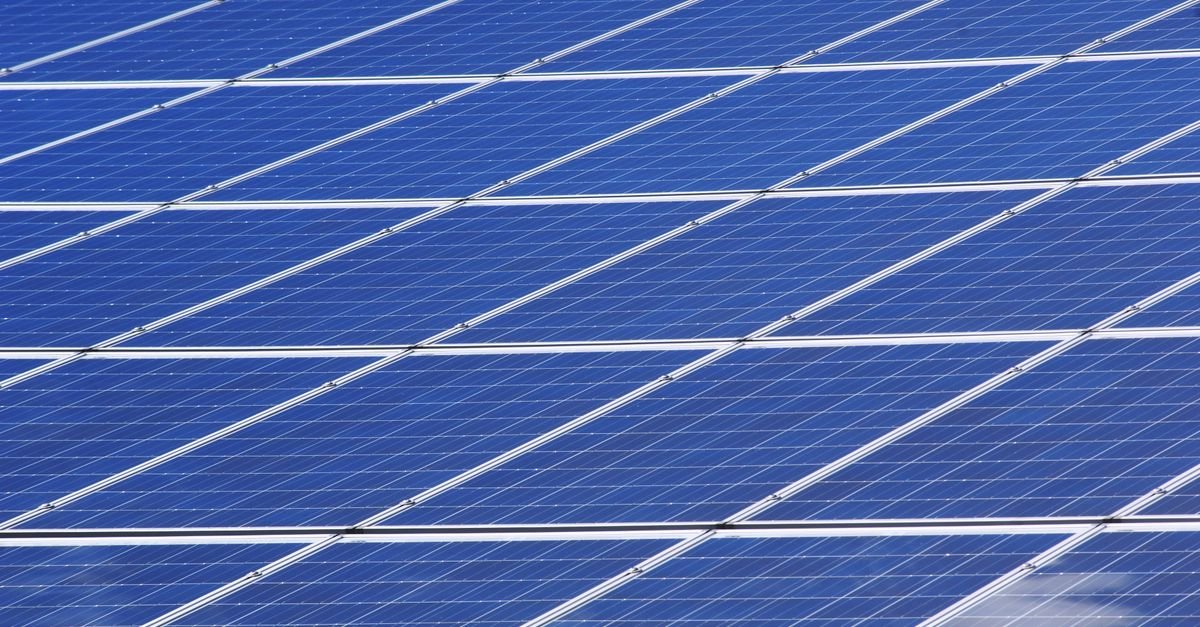
Indian researchers have developed a superhydrophobic nanocomposite coating using silicon dioxide particles embedded in a polymer matrix that can be applied to photovoltaic glass. When tested on identical solar modules over six months, the coated panel significantly outperformed both uncoated dusty panels and manually cleaned panels, with the self-cleaning mechanism activated passively through natural wind and water exposure. This advancement addresses a persistent challenge in solar deployment: dust and soiling losses, which typically degrade output in arid and semi-arid regions where many large-scale projects operate. The coating's ability to exceed manual cleaning suggests that passive self-maintenance could reduce operational labor costs and maintenance scheduling complexity across utility-scale arrays. The computational validation using particle swarm optimization adds credibility to the findings and provides a replicable methodology for future coating studies. Long-term durability, cost-effectiveness, and scalability remain open questions, but if the thermal reduction benefit translates to extended panel life, the total system benefit may exceed the power output gains alone.
This is a brief summary of reporting originally published by pv magazine Australia. Read the full article for the complete story:
Read the full story at pv magazine Australia ↗Related in Solar & Wind