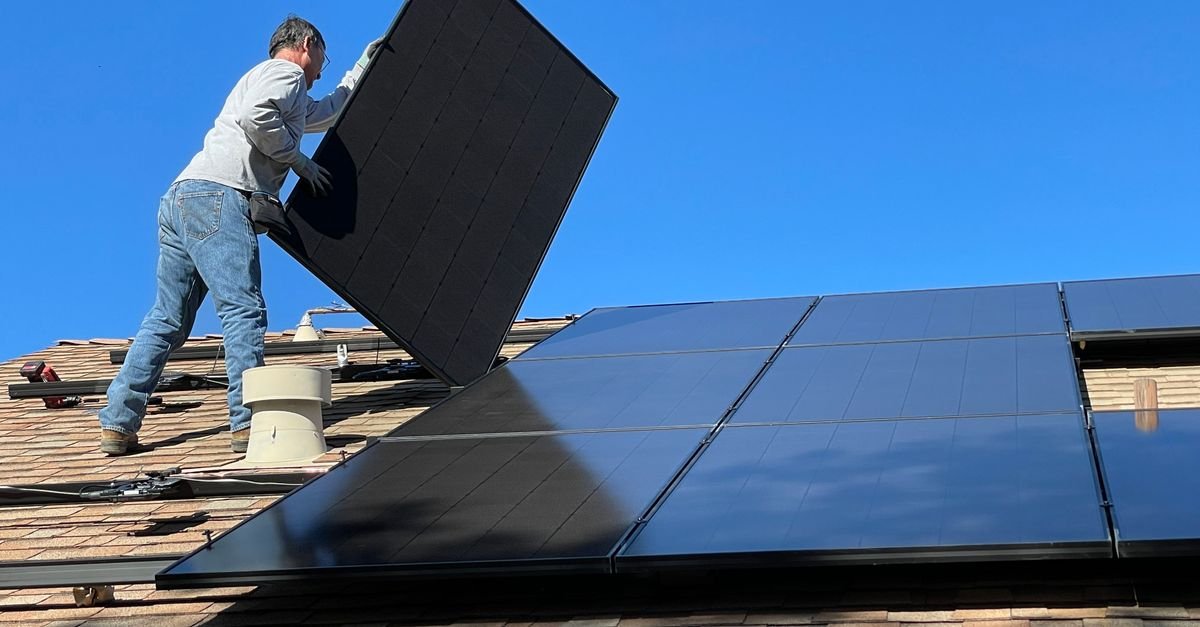
Passive Cooling Fins and Phase Change Materials Boost Solar Module Efficiency
⚡ AI Executive Summary
Researchers tested a passive cooling system combining aluminium fins and paraffin wax phase change material on solar modules in Malaysia to reduce operating temperatures and improve electrical output. The study compared uncooled, fin-cooled, and hybrid fin–PCM configurations over a week of outdoor measurements. The findings demonstrate that hybrid cooling systems can enhance PV performance while remaining economically viable under local tariff structures. For grid operators and utilities deploying distributed solar, these passive cooling technologies offer a path to higher per-module energy yields without added maintenance burden or parasitic loads. The work highlights a practical avenue for improving residential and commercial PV systems—a growing share of many grids' generation mix—while maintaining cost-effectiveness. However, the research also exposes a thermal design challenge: paraffin wax's melting point was too high for the tropical climate tested, limiting latent heat benefits and pointing toward the need for better-performing phase change materials in real-world deployments.
This is a brief summary of reporting originally published by Next Energy. Read the full article for the complete story:
Read the full story at Next Energy ↗Related in Solar & Wind